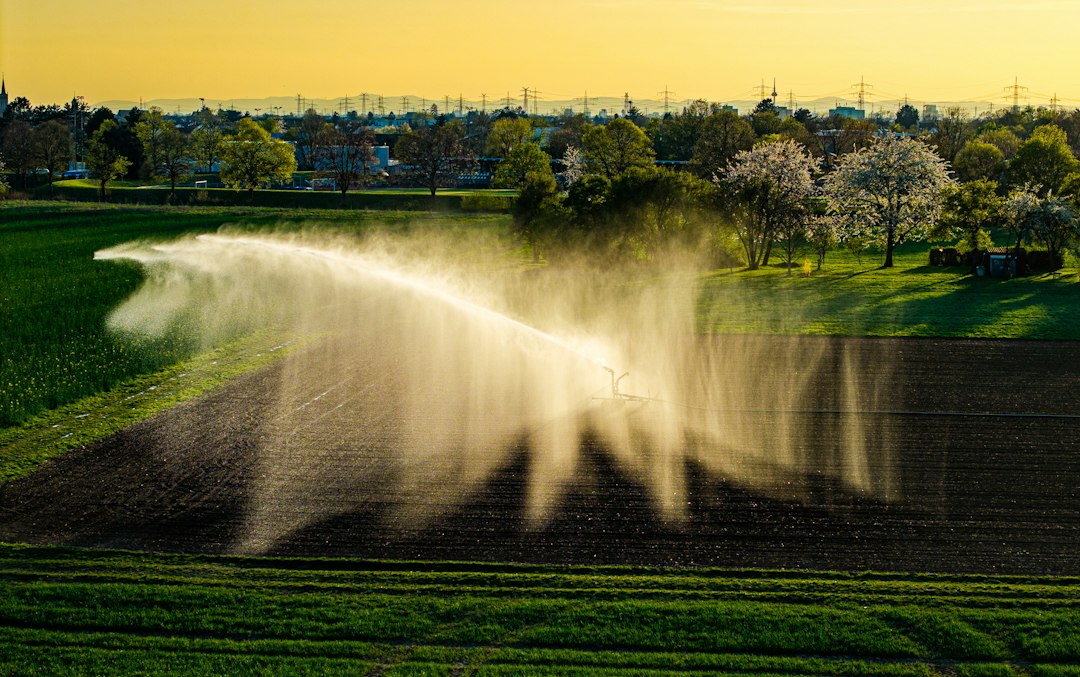
In the area of fire protection and efficient water management, sprinkler system equipment plays a key role, especially in commercial and industrial settings. As buildings grow in complexity, so does the need for solid, well-designed sprinkler systems. The challenge lies in navigating the diverse array of components—from sprinkler heads and rotors to controllers, valves, and backflow preventers—each contributing to the system's overall efficiency and reliability.
This practical guide aims to demystify the selection, installation, and maintenance of sprinkler system equipment. By delving into best practices, industry standards set by entities like the National Fire Protection Association (NFPA) and Irrigation Association (IA), and exploring the offerings of reputable manufacturers such as Sprinkler Warehouse and Rotor Tech Innovations, we provide a practical reference for professionals. We'll cover everything from choosing the right irrigation controller to ensuring proper valve functionality, empowering you to maintain or enhance sprinkler systems with confidence and expertise.
- Sprinkler Heads: Types and Selection
- Installation and Layout Best Practices
- Maintenance, Troubleshooting, and Timing
- Choosing the Right Irrigation Controller
Sprinkler Heads: Types and Selection
Sprinkler heads are the critical components of any lawn sprinkler system, determining the distribution and pattern of water. They come in various types, each suited to specific applications and environments. Understanding these differences is important for selecting the right irrigation equipment and ensuring best watering efficiency.
Rotor sprinkler heads, for instance, are designed for large open areas like fields and sports fields. They rotate slowly, spraying water in a circular pattern. The National Fire Protection Association (NFPA) and the Irrigation Association (IA) provide detailed guidelines for rotor sprinkler selection, considering factors like water flow rate, coverage area, and environmental conditions. A study by the Fire Sprinkler Systems International (FSSI) found that rotors with adjustable spray patterns can reduce water usage by up to 25% compared to fixed-pattern models.
On the other hand, spray nozzles are suitable for smaller, more confined spaces like flower beds and vegetable gardens. They emit a fine mist, providing precise watering. When selecting spray nozzles, it's essential to consider the droplet size and distribution, which can significantly impact water application rate. The Local Building Codes Administration often mandates specific requirements for sprinkler heads in residential areas, aligning with the Environmental Protection Agency (EPA)'s water conservation goals.
For more intricate fields, drip irrigation systems with emitters or micro-sprinklers are ideal. These systems deliver water directly to plant roots, minimizing evaporation and waste. Drip Works offers a range of emitters designed for different soil types and plant needs. An irrigation controller, like those from Sprinkler Warehouse, can automate these systems, allowing precise timing and duration of waterings. By integrating these various sprinkler head types into a well-designed lawn sprinkler system, homeowners and contractors can achieve efficient, effective watering while adhering to regulatory and safety frameworks like those set by OSHA for workplace irrigation equipment.
Installation and Layout Best Practices
When planning and installing a lawn sprinkler system, the initial design and layout decisions significantly impact long-term performance and efficiency. A well-thought-out sprinkler system layout considers factors like field features, water supply, and environmental conditions. A residential property with mature trees will require different sprinkler head placement and types compared to a newly fieldd commercial site.
The selection and placement of irrigation equipment, including sprinkler heads, rotors, and spray nozzles, are important. According to the Irrigation Association (IA), these components should be chosen based on water pressure, flow rate, and the type of vegetation being irrigated. Pressure-regulating valves and drip irrigation kits can be more suitable for areas with diverse terrain and water pressure fluctuations, enhancing water distribution efficiency. The National Fire Protection Association (NFPA) provides guidelines for proper sprinkler head placement, emphasizing the need for adequate coverage and clearance for fire protection systems.
Installation best practices involve ensuring the system's alignment with the property's layout and local building codes. The Local Building Codes Administration (LBCA) offers detailed regulations regarding sprinkler system design, including pipe and fitting specifications. Using the right materials, such as those from Sprinkler Warehouse, is essential to prevent corrosion and leaks. An irrigation controller, a critical component, allows precise control and scheduling of the system, enabling efficient water use. Setting the controller to activate during cooler parts of the day can reduce water waste and energy costs.
Regular maintenance is vital to keep the sprinkler system functioning bestly. The Sprinkler Industry Standards Council recommends annual inspections to verify system integrity and identify potential issues. This includes checking for backflow preventers, which are mandatory in many areas to stop contaminated water from flowing back into the main supply, ensuring water safety. By adhering to these best practices, contractors can create a reliable, water-efficient sprinkler system tailored to the client's needs and local regulations.
Maintenance, Troubleshooting, and Timing
Sprinkler systems, while solid, require meticulous care to maintain best performance and safety. Regular maintenance, troubleshooting, and timely repairs are important, especially considering the diverse range of irrigation equipment involved. From sprinkler heads and rotors to controllers and backflow preventers, each component matters in the system's efficiency and reliability. A well-maintained sprinkler system can significantly reduce water waste, a growing concern given the global focus on sustainable practices.
The National Fire Protection Association (NFPA) and the Irrigation Association (IA) offer practical guidelines for sprinkler system maintenance. These include regular inspections, cleaning, and testing. For lawn sprinkler systems, this involves examining spray nozzles for clogs or damage, ensuring proper water pressure, and checking for leaks in pipes and fittings. According to the IA, a 10-minute flow test every three months can help identify issues before they become critical. Regular maintenance also includes calibrating the irrigation controller to ensure accurate timing and duration of water application, which is key to preventing over-irrigation.
Troubleshooting common issues can be a complex task, requiring a deep understanding of the system's components. If a sprinkler head is not operating, a contractor should check for obstructions in the nozzle, backflow preventer malfunction, or issues with the controller. The Sprinkler Industry Standards Council provides detailed diagnostic charts to aid in these processes. Once identified, repairs can range from simple adjustments to complex replacements, such as a faulty backflow preventer. The Environmental Protection Agency (EPA) emphasizes the importance of timely maintenance, stating that a well-maintained system can extend its lifespan by 50% or more.
the success of sprinkler system maintenance lies in a proactive approach. Regular care not only extends the life of the equipment but also ensures the system functions as intended during emergency situations. The key is to follow industry-approved timelines and guidelines, employ qualified personnel, and stay informed about advancements in irrigation equipment, like smart controllers, which can optimize watering schedules and further enhance system performance.
Choosing the Right Irrigation Controller
Selecting the right irrigation controller is an important step in designing an efficient lawn sprinkler system. These controllers, the brain of your irrigation equipment, automate watering schedules based on weather data, soil moisture levels, and site-specific needs. A study by the Irrigation Association (IA) found that proper controller programming can reduce water usage by up to 40% while ensuring plants receive the best amount of hydration.
When choosing an irrigation controller, consider factors like the size of your property, type of landscaping, and local climate. A residential property with a mix of lawns and flower beds may require a controller with multiple zones, each tailored to different plant types and water needs. The National Fire Protection Association (NFPA) and local building codes offer guidelines for installation, emphasizing the importance of a correctly configured system. Modern controllers often come with weather-adaptation capabilities, learning from data to adjust watering patterns for changing seasons and weather patterns.
The market offers a range of options, from basic mechanical timers to sophisticated smart controllers. Drip Works, a leading irrigation equipment supplier, provides a line of controllers with advanced features like solar synchronization and weather-based controls. These innovations not only enhance water efficiency but also reduce wear and tear on pipes, a key consideration when discussing sprinkler system equipment longevity. It's essential to balance features with your budget and maintenance capabilities. Regular maintenance, as per recommendations from the Sprinkler Industry Standards Council, ensures the controller remains accurate and reliable, a vital aspect of any irrigation system's success.
Remember, the right irrigation controller adapts to your specific needs, ensuring your lawn sprinkler system is both efficient and effective. By choosing a controller that aligns with your property's requirements, you contribute to sustainable water use, reduce environmental impact, and maintain a lush, healthy field.
Frequently Asked Questions About Sprinkler System Equipment: From Sprinkler Heads to Installation and Maintenance
What are the main components of a sprinkler system?
A sprinkler system relies on several important components to function effectively. Sprinkler heads are the visible part that disperses water when triggered by heat or moisture. Rotors, often found in outdoor systems, rotate to cover a wide area with a fine mist. Spray nozzles, designed for specific applications, release water in targeted patterns. Drip irrigation, a subtle system, delivers water drop by drop directly to plant roots. Controllers govern the system, setting the timing and zones for water delivery. Valves control the water flow, while backflow preventers safeguard the supply by stopping contaminated water from flowing back into the main supply. Pipes and fittings complete the network, distributing water throughout the system.
How do I select the right sprinkler head for my application?
Choosing the suitable sprinkler head depends on several factors. Consider the area you need to cover, the type of plants, and the desired water distribution pattern. Parallel spray heads are ideal for open spaces, while lateral spray heads are better suited for rows of plants. Pop-up heads are versatile and rise above the ground, while concealed heads remain hidden until activated. Each type has unique spray angles, flow rates, and sensitivity temperatures, so consult a professional or refer to manufacturer specifications to make an informed decision.
What is the purpose of a backflow preventer in a sprinkler system?
A backflow preventer, also known as a backflow valve, is a safety mechanism designed to stop contaminated water from flowing back into the main water supply. This is important to prevent any potential pollution or contamination of drinking water. Backflow preventers allow water to flow in one direction only, ensuring that any hazardous substances contained within the sprinkler system cannot enter the municipal water system. Regular testing and maintenance of backflow preventers are essential to guarantee their proper functioning.
When should I install drip irrigation instead of a traditional sprinkler system?
Drip irrigation is a highly efficient watering solution for areas with delicate plants, such as vegetable gardens, flower beds, and container plants. Unlike traditional sprinklers, which spray water into the air, drip irrigation delivers water directly to the soil surface, minimizing evaporation and runoff. This makes it ideal for regions with water scarcity or where precise water application is necessary. However, drip irrigation requires more initial installation time and may be costlier upfront than a sprinkler system.
How often should I maintain my sprinkler system?
Regular maintenance is vital to ensure best sprinkler system performance and longevity. Aim to inspect and maintain your system at least twice annually, ideally before and after the peak growing season. This includes checking for leaks, inspecting sprinkler heads for blockages or damage, cleaning filters, testing controllers, and ensuring proper drainage. Seasonal adjustments may also be necessary, such as winterizing the system to prevent pipe damage.
As a seasoned expert in fire and irrigation systems, I've guided readers through the intricate world of the equipment. From the strategic selection of sprinkler heads and rotors, to the nuanced choices involved in drip irrigation and controller selection, this article has demystified complex topics. We've explored installation best practices, ensuring proper layout and timing, and examined into maintenance routines recommended by industry leaders like Johns Manville and the National Fire Protection Association (NFPA).
The article's key takeaway? A comprehensive sprinkler system isn't just about the hardware. It's about tailored design, meticulous installation, and proactive maintenance. By understanding the intricate interplay between sprinkler heads, valves, backflow preventers, and the irrigation controller, professionals can optimize system performance and ensure public safety.
Moving forward, consider these practical steps:
- Evaluate Local Codes: Check with your Local Building Codes Administration to understand specific regulations governing sprinkler systems in your region.
- Invest in Quality Components: Source equipment from reputable suppliers like Sprinkler Warehouse and Rotor Tech Innovations to ensure durability and compatibility.
- Schedule Regular Maintenance: Implement a proactive maintenance schedule, adhering to guidelines from the Sprinkler Industry Standards Council, to keep your system in top working order.
- Choose the Right Controller: Select an irrigation controller from recognized brands like Drip Works and FireControl Solutions, tailored to your system's unique requirements.
By embracing these insights and best practices, professionals can raise their expertise, ensuring the reliability and safety of the equipment across diverse applications.