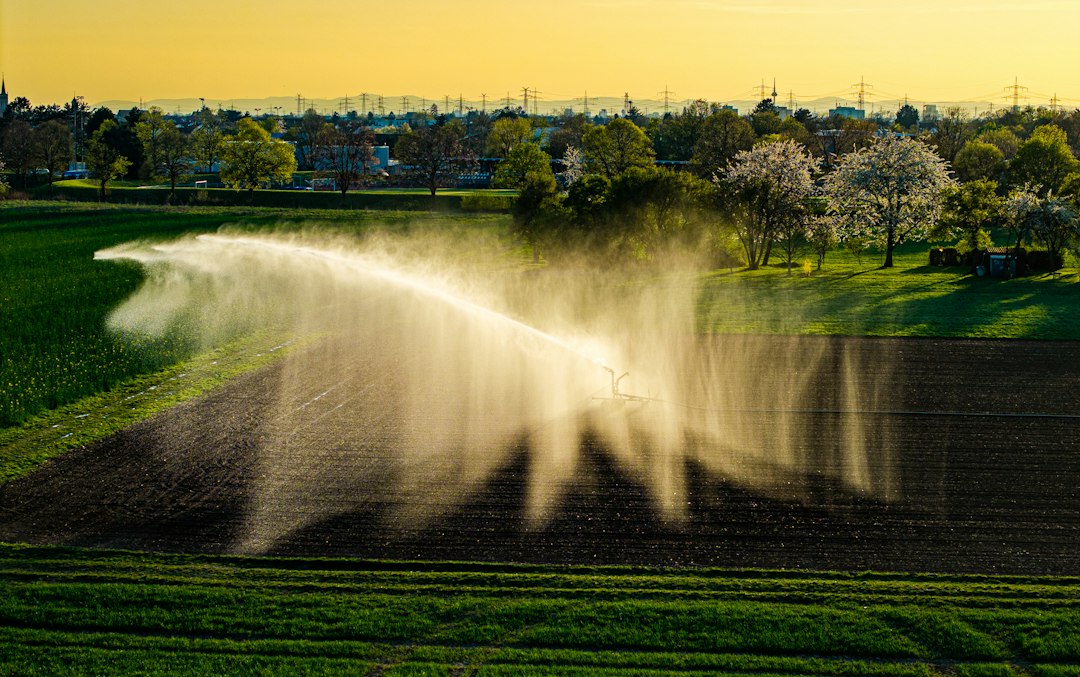
Sprinkler systems are vital for fire protection and water conservation, especially in commercial and industrial settings. However, selecting, installing, and maintaining the right equipment can be complex, with numerous components like sprinkler heads, drip irrigation kits, valves, and backflow preventers. This guide aims to demystify the process, offering practical insights from industry experts like Johns Manville, the National Fire Protection Association (NFPA), and Fire Sprinkler Systems International (FSSI). We'll explore the latest hardware from Sprinkler Warehouse and Rotor Tech Innovations, regulatory frameworks from the Occupational Safety and Health Administration (OSHA), and best practices for long-term reliability, ensuring your sprinkler system equipment is up to the task of protecting lives and property.
- Sprinkler Heads: Types and Selection for Best Coverage
- Rotors, Nozzles, and Drip: Tailoring Sprinkler Distribution
- System Installation: Piping, Fittings, and Layout Best Practices
- Maintaining and Upgrading: Ensuring Efficient Operation & Longevity
Sprinkler Heads: Types and Selection for Best Coverage
Sprinkler heads are the critical component that delivers water during a fire, making their selection and placement important for effective protection. The best choice depends on factors like building layout, occupancy, and fire risk. A large, open warehouse will require a different head type than a densely populated apartment complex.
Rotor sprinkler heads, common in industrial settings, offer a wide spray pattern and solid performance. These heads are designed to withstand high temperatures and are suitable for areas with potential fire hazards, like machine rooms or storage areas. On the other hand, spray nozzles, often used in residential or smaller commercial spaces, provide a fine, uniform spray, minimizing water damage while ensuring adequate coverage.
When selecting sprinkler heads for a lawn sprinkler system or irrigation equipment, consider the following:
- Flow Rate: The rate at which water is delivered by the sprinkler should align with the building's needs. A fast-flow head might be suitable for a sports facility, while a slower, more targeted flow is ideal for field irrigation.
- Coverage Area: Different heads offer various coverage patterns, from narrow streams to broad, cone-shaped sprays. A contractor should map out the area to be protected and choose heads that provide complete, overlapping coverage.
- Activation Temperature: This is a critical safety feature. Heads with adjustable temperature ratings ensure the right response during a fire, preventing accidental activation by non-emergency heat sources.
Proper installation and maintenance of these heads are paramount. The National Fire Protection Association (NFPA) and the Irrigation Association (IA) provide detailed guidelines for selection, installation, and maintenance. Regular inspections, cleaning, and testing, as per the recommended schedule from organizations like the Sprinkler Industry Standards Council, ensure the system remains operational and reliable. The Environmental Protection Agency (EPA) offers incentives for efficient irrigation systems, promoting the use of modern drip irrigation kits that can reduce water consumption by up to 60%.
Rotors, Nozzles, and Drip: Tailoring Sprinkler Distribution
The strategic placement of sprinkler components, from rotors to nozzles, is key to efficient irrigation, ensuring water reaches every part of a lawn or garden. Rotors, for instance, are designed to provide an uniform spray pattern, covering a specific area with a consistent moisture level. According to the Irrigation Association (IA), the average residential sprinkler system uses about 6,000 gallons of water per 1-acre application, highlighting the importance of precise distribution.
Spray nozzles, a critical component in drip irrigation kits, offer a more targeted approach, releasing water directly onto plant roots. This method, recommended by experts like Fire Sprinkler Systems International (FSSI), can reduce water wastage by up to 30% compared to traditional sprinkler heads. Nozzle types vary based on flow rate, spray pattern, and application, such as the popular single-stream and multi-stream designs. The selection process involves considering factors like plant type, soil conditions, and environmental conditions, with the goal of minimizing runoff and maximizing water penetration.
For areas with limited space or specific watering needs, drip irrigation systems provide a versatile solution. These systems, incorporating pipes, emitters, and a control valve, deliver water directly to plant roots, minimizing evaporation and runoff. A 2020 study by Johns Manville found that drip irrigation can reduce water usage by up to 70% compared to sprinkler systems, making it an environmentally friendly option. Installation requires careful planning, including proper pipe and fitting selection, to ensure best water distribution and prevent leaks. Regular maintenance, as outlined by the National Fire Protection Association (NFPA), is important to keep these systems functioning efficiently and safely.
System Installation: Piping, Fittings, and Layout Best Practices
When installing a lawn sprinkler system, paying meticulous attention to piping, fittings, and layout is important. These elements form the backbone of your irrigation equipment, determining water distribution efficiency and system longevity. The National Fire Protection Association (NFPA) offers detailed guidelines for fire sprinkler systems, which can be adapted for drip irrigation kits.
Proper piping selection starts with understanding your site's conditions. Clay pipes might be suitable for areas with mild soil conditions, while PVC pipes are more durable for sites prone to frost or heavy traffic. The Irrigation Association (IA) recommends sizing pipes based on flow rate and pressure requirements, ensuring best water delivery. Fittings should be chosen for their compatibility and durability, with the latest innovations like Rotor Tech Innovations' pressure-sealed joints reducing leaks and maintenance needs.
Layout is another key aspect. A strategic design minimizes water waste and ensures every area receives adequate coverage. Consider the field, plants' water needs, and potential shading from trees or structures. Local Building Codes Administration often provides specific regulations for sprinkler system layout. In commercial settings, systems may require additional backflow preventers, as mandated by the Environmental Protection Agency (EPA), to safeguard water quality.
Regular maintenance, guided by industry standards from the Sprinkler Industry Standards Council, is vital. This includes checking for leaks, inspecting valves, and ensuring controllers function correctly. For drip irrigation kits, periodic cleaning and adjustment of spray nozzles can enhance water distribution uniformity, promoting healthier plant growth. Remember, a well-installed and maintained sprinkler system not only supports lush fields but also ensures fire safety, as recommended by the Fire Sprinkler Systems International (FSSI).
Maintaining and Upgrading: Ensuring Efficient Operation & Longevity
Maintaining and upgrading sprinkler system equipment is paramount to ensuring efficient operation and longevity. Regular maintenance prevents costly repairs and extends the lifespan of your irrigation equipment, whether it's a lawn sprinkler system or a more complex drip irrigation kit. According to the Irrigation Association (IA), a proactive maintenance schedule can reduce system failures by up to 70%.
A key component of maintenance involves inspecting and replacing worn parts, such as spray nozzles and rotor tech innovations. The National Fire Protection Association (NFPA) recommends inspecting sprinkler heads every six months, noting that blocked or faulty heads can hinder system effectiveness. A simple cleaning or replacement of a spray nozzle can resolve issues with water distribution and ensure the system meets its design flow rate. Similarly, updating older drip irrigation kits with modern components can significantly improve water efficiency, as new models often incorporate advanced flow control and pressure regulation.
Valves and backflow preventers also require regular attention. The Environmental Protection Agency (EPA) emphasizes the importance of backflow preventer testing annually to safeguard water quality. Local Building Codes Administration (LBCA) regulations may dictate specific intervals for valve inspections, with some codes requiring biannual checks. Proper valve maintenance ensures that the system operates as intended, with no unexpected closures or leaks. Upgrading to more efficient valves can decrease water waste, benefiting both your property and the environment.
Pipe and fittings should be checked for signs of corrosion or damage, especially in areas prone to freezing temperatures. The Sprinkler Industry Standards Council recommends regular inspection and replacement of worn fittings to prevent system failure during extreme weather. A thorough inspection of the piping network might reveal a joint that's developed a leak, which could be easily repaired or replaced to maintain the system's integrity. By adhering to these maintenance practices, property owners and managers can ensure their sprinkler systems function bestly, providing reliable fire protection and efficient irrigation year-round.
Frequently Asked Questions About Sprinkler System Equipment Guides: Sprinkler Heads, Rotors, Spray Nozzles, Drip Irrigation, Controllers, Valves, Backflow Preventers, Pipe and Fittings, Selection, Installation, and Maintenance
What are the key components of a sprinkler system?
Sprinkler systems are composed of several important elements: sprinkler heads that distribute water, rotors that activate at specific pressure thresholds, spray nozzles for targeted coverage, drip irrigation emitters for efficient, low-volume watering, controllers that manage timing and zones, valves for controlling water flow, and backflow preventers to guard against contamination. Pipe and fittings complete the system, connecting these components and ensuring water delivery.
How do I select the right sprinkler head for my property?
Choosing the appropriate sprinkler head depends on factors like plant type, soil conditions, and site layout. Impact sprinkler heads are versatile for open areas, while pop-up sprinkler heads are suitable for lawn and garden applications. Angle and spray pattern are key considerations. A 360-degree spray pattern is ideal for large, open spaces, while a 45-degree pattern is more suitable for rows of plants.
When should I install a backflow preventer?
A backflow preventer, also known as a backflow valve, is a vital safety component installed in sprinkler systems to stop contaminated water from flowing back into the main water supply. It's required by law in many jurisdictions and is highly recommended for all sprinkler systems, especially those connected to municipal water sources. Installation is typically handled by a certified plumber.
How often should I maintain my sprinkler system?
Regular maintenance ensures best system performance and longevity. Annual inspections are recommended, including checking for leaks, ensuring proper water pressure, and inspecting valves and fittings. During drought periods, frequency increases, focusing on drip irrigation systems, which require more frequent attention to prevent clogging.
Can I install a sprinkler system myself?
While DIY sprinkler installations are possible for smaller, simple systems, most professionals recommend hiring a licensed contractor. Sprinkler systems require precision installation, and errors can lead to inefficiencies, water waste, and potential damage to property or nearby structures. A qualified service technician ensures proper placement, depth, and functionality of each component.
Throughout this exploration, we've examined into the intricate world of the equipment, from the fundamental sprinkler heads and their important role in coverage optimization to the tailored distribution methods of rotors, nozzles, and drip irrigation systems. We've handled best practices in installation, understanding the significance of piping, fittings, and strategic layout for efficient water distribution. The importance of maintenance and upgrades has been underscored, ensuring these systems operate at peak efficiency and longevity.
Guided by industry authorities like the National Fire Protection Association (NFPA), Irrigation Association (IA), and Fire Sprinkler Systems International (FSSI), along with the support of key resources like Johns Manville and the Sprinkler Industry Standards Council, we've unearthed invaluable insights. These include the growing emphasis on environmentally friendly drip irrigation kits and the strict safety standards enforced by organizations like the Occupational Safety and Health Administration (OSHA).
Practical next steps include incorporating these findings into design and installation processes, ensuring compliance with local building codes (as administered by the Local Building Codes Administration) and environmental regulations (as overseen by the Environmental Protection Agency, EPA). Regular maintenance, guided by the comprehensive resources available from FireControl Solutions and Sprinkler Warehouse, will prove essential to preserve system performance and extend the lifespan of critical fire protection infrastructure.