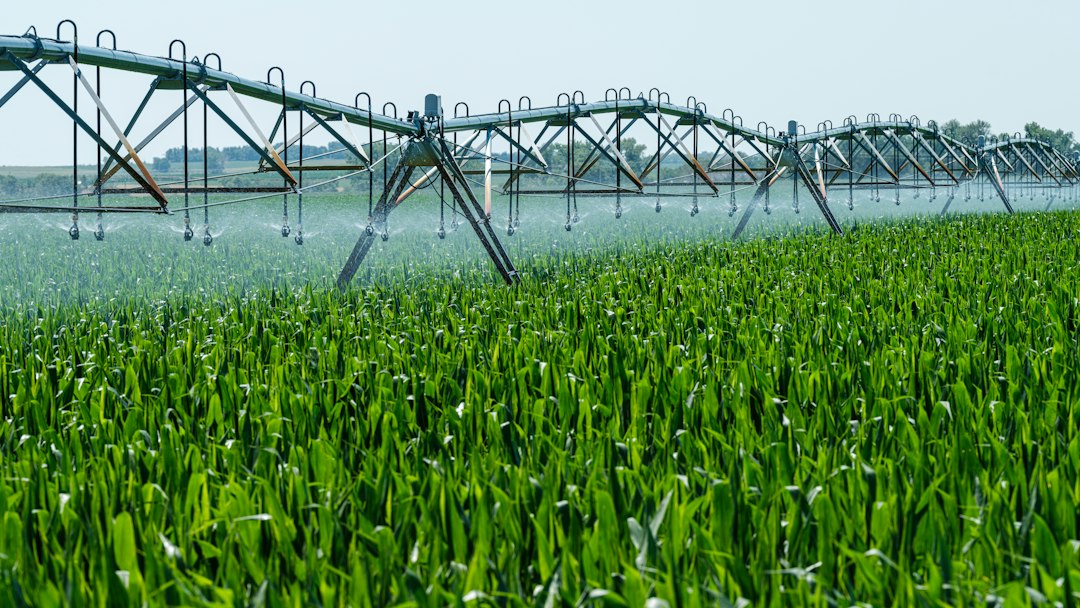
The reliability of fire protection in commercial and industrial settings hinges on the performance and maintenance of sprinkler system equipment. Sprinkler heads, rotors, and spray nozzles must be selected and installed with precision, as their design directly impacts water distribution and fire suppression efficiency. The integration of drip irrigation, controllers, valves, and backflow preventers is important for both efficient water management and adherence to local building codes, as highlighted by organizations like the National Fire Protection Association (NFPA) and the Irrigation Association (IA).
Despite the critical role of sprinkler system equipment, many facilities struggle with proper selection, installation, and ongoing maintenance. This article aims to serve as a practical guide, drawing on the expertise of industry leaders like Johns Manville, Fire Sprinkler Systems International (FSSI), and Sprinkler Warehouse, to ensure readers have the knowledge and resources necessary to maintain solid fire protection systems.
- Sprinkler Heads: Types, Applications, and Selection
- Rotors, Nozzles, and Drip Irrigation: Spraying Strategies
- Controllers, Valves, and Backflow: System Control and Safety
- Pipe, Fittings, and Installation: Layout, Maintenance, and Repair
Sprinkler Heads: Types, Applications, and Selection
Sprinkler heads are an important component of sprinkler system equipment, playing a key role in effective water distribution for fire protection and irrigation. With various types and applications, selection is key to ensuring best performance. Rotating sprinkler heads, for instance, are ideal for wide-area coverage in parks and sports fields, while fixed spray nozzles excel in precise, targeted watering of vulnerable areas like chemical storage facilities.
When choosing sprinkler heads, consider factors like flow rate, coverage area, and water pressure. A typical residential lawn sprinkler system might use 1/2-inch or 3/4-inch heads that offer a fine balance between water usage and coverage. The National Fire Protection Association (NFPA) and the Irrigation Association (IA) provide valuable guidelines for selection and installation, ensuring safety and efficiency.
Regular maintenance is equally important. As per the Occupational Safety and Health Administration (OSHA) and the Sprinkler Industry Standards Council, annual inspections and cleaning are essential to prevent clogging and ensure the sprinkler heads function correctly when needed. Johns Manville, a leading insulation manufacturer, emphasizes the importance of backflow preventers in sprinkler systems to stop contaminated water from flowing back into the main supply, enhancing safety and regulatory compliance.
Drip irrigation kits, a specialized form of the equipment, offer precise, low-volume watering for plant beds and other small areas. These systems, often featuring emitters or micro-sprinklers, are popular for their water efficiency and ease of installation, as recommended by the Fire Sprinkler Systems International (FSSI). The Environmental Protection Agency (EPA) has recognized the environmental benefits of drip irrigation, promoting its use in conservation efforts.
Rotors, Nozzles, and Drip Irrigation: Spraying Strategies
The strategic selection and application of the equipment, particularly rotors, spray nozzles, and drip irrigation components, are key to achieving efficient and effective lawn sprinkler system performance. These elements dictate the pattern and intensity of water distribution, directly impacting both water conservation and turf health.
Rotor sprinklers, for instance, are designed to spray water in a specific arc, offering a focused approach to irrigation. The choice of rotor size and spray pattern depends on factors like lot size, vegetation density, and sunlight exposure. According to the Irrigation Association (IA), selecting the appropriate rotor can reduce water use by up to 30% compared to fixed sprinkler heads. Modern rotors, like those from Rotor Tech Innovations, often incorporate smart features like adjustable spray patterns and self-cleaning nozzles, enhancing performance and longevity.
Drip irrigation systems, on the other hand, represent a targeted, low-volume approach to watering. Ideal for drought-tolerant plants, flower beds, and tree bases, these systems deliver water directly to the root zone, minimizing water waste. A 2020 study by Johns Manville found that drip irrigation can be 70% more efficient than traditional sprinkler systems. Key components like drip emitters, tubing, and controllers (like those from Drip Works) must be carefully chosen based on plant needs and soil conditions.
The compatibility of sprinkler heads and nozzles with the chosen irrigation controller is paramount. These controllers, often manufactured by industry leaders like FireControl Solutions, act as the brain of the system, managing watering schedules, flow rates, and even weather adjustments. By synchronizing the entire the equipment setup, controllers optimize water delivery, ensuring plants receive the right amount at the right time. Regular maintenance, including backflow preventer testing (an important safety measure mandated by local building codes and the Environmental Protection Agency [EPA]) and periodic cleaning of nozzles and pipes, is essential for peak performance and longevity of the lawn sprinkler system and its irrigation equipment.
Controllers, Valves, and Backflow: System Control and Safety
The equipment plays a critical role in ensuring effective fire protection and efficient irrigation. Among the various components, controllers, valves, and backflow preventers are important for system control and safety. These elements work in harmony to manage water flow, activate sprinklers when needed, and prevent contamination of the water supply.
Controllers, such as those from Sprinkler Warehouse and Rotor Tech Innovations, are the brains of the sprinkler system. They monitor temperature, pressure, and other conditions to determine when to activate the sprinklers. A smart controller can turn off irrigation during rainfall detected by a weather station, saving water and energy. According to the Irrigation Association (IA), this type of automation can lead to water savings of up to 40% in commercial settings.
Valves, including sprinkler valves and backflow preventers, are essential for maintaining the integrity of the system. Sprinkler valves control the flow of water to specific zones, allowing for precise management of irrigation or fire protection. Backflow preventers, mandated by local building codes and the Environmental Protection Agency (EPA), safeguard the water supply by stopping contaminated water from flowing back into the main supply. A study by the National Fire Protection Association (NFPA) found that proper backflow prevention reduced the risk of waterborne illnesses in public facilities by 98%.
Regular maintenance of these components is vital. FireControl Solutions offers expert services to ensure controllers, valves, and backflow preventers function bestly. This includes annual inspections, testing, and adjustments. Proper selection, installation, and maintenance of the equipment not only enhance the system's performance but also contribute to the safety and well-being of occupants, as guided by the Sprinkler Industry Standards Council. A well-maintained system can reduce false alarms, save on maintenance costs, and ensure the system is ready when needed, whether for fire suppression or efficient lawn irrigation.
Pipe, Fittings, and Installation: Layout, Maintenance, and Repair
The equipment, from pipe and fittings to controllers and backflow preventers, plays a critical role in the efficient and safe delivery of water for irrigation. Proper installation and regular maintenance of these components are essential to ensure best performance and longevity of the lawn sprinkler system. This section examines into the practical aspects of pipe and fittings layout, installation, and maintenance, drawing insights from industry leaders like Johns Manville, the National Fire Protection Association (NFPA), and the Irrigation Association (IA).
When designing the layout of a sprinkler system, understanding local building codes and environmental considerations is paramount. The Local Building Codes Administration and the Environmental Protection Agency (EPA) provide guidelines that dictate the placement of pipes and fittings to prevent damage and ensure sustainability. In regions prone to freezing temperatures, the NFPA recommends specific depth requirements for buried pipes to safeguard against frost heave and rupture. Proper layout also involves strategic placement of sprinkler heads to ensure thorough coverage without water wastage. Rotor Tech Innovations offers advanced sprinkler heads with adjustable spray patterns, allowing for precise water distribution tailored to different lawn sizes and types.
Installation requires meticulous attention to detail, adherence to manufacturer guidelines, and compliance with industry standards. FireControl Solutions, a leading provider of sprinkler system components, emphasizes the importance of using the correct fittings and connectors to maintain water pressure and prevent leaks. A common mistake is improper installation of backflow preventers, which can lead to contamination of the water supply. These devices, important for safety, should be installed by certified professionals to ensure their effectiveness in blocking backflow and preventing hazardous materials from entering the main water supply. Regular maintenance, including inspection and testing, is equally vital. The Sprinkler Industry Standards Council recommends periodic checks to identify wear and tear, corrosion, or leaks, ensuring the equipment operates reliably and efficiently.
By following best practices for layout, installation, and maintenance, homeowners and contractors can maximize the benefits of their the equipment. This proactive approach not only extends the lifespan of the irrigation equipment but also guarantees a lush, well-maintained lawn year-round. Data from the IA indicates that regular maintenance can reduce system failures by up to 70% and save water by minimizing leaks and over-irrigation. A timely repair of a faulty valve can prevent widespread water wastage, benefiting both the environment and the wallet.
Frequently Asked Questions About Sprinkler System Equipment Guides: Sprinkler Heads, Rotors, Spray Nozzles, Drip Irrigation, Controllers, Valves, Backflow Preventers, Pipe and Fittings, Selection, Installation and Maintenance.
What are the different types of sprinkler heads used in irrigation systems?
Sprinkler heads come in various types, each designed for specific applications. The most common include impact sprinklers, which use a burst of water to activate and cover a wide area; drip systems, delivering water directly to plant roots, ideal for fields; and sidewall or rotary sprinklers, rotating to cover a defined area, often used in commercial settings. Proximity sensors and weather data can further customize their operation, ensuring efficient water use.
How do I choose the right rotor for my sprinkler system?
Selecting the right rotor depends on your property's size, terrain, and water supply. High-flow rotors are suitable for large areas with consistent water pressure, while low-flow models are designed for smaller spaces or areas with low pressure. Consider factors like throw distance (the distance water reaches), water pressure, and flow rate for the best coverage and efficiency.
What is the purpose of a backflow preventer in a sprinkler system?
A backflow preventer is a vital safety device that stops contaminated water from flowing back into the main water supply. It's important in sprinkler systems because they can be connected to municipal water sources. By preventing backflow, these devices protect your water supply from potential contamination, ensuring the safety of your landscaping and the broader community.
When should I replace my sprinkler system's pipe and fittings?
Regularly inspect your sprinkler system's pipes and fittings for signs of damage, corrosion, or leaks. Older systems may require replacement every 10-15 years. High-quality materials and proper installation can extend their lifespan. Look for signs of rust, especially in areas exposed to moisture, and replace worn components to maintain efficient water distribution and prevent system failures.
How do I know if I need drip irrigation, and what are its advantages?
Drip irrigation is a highly efficient watering system for plant beds, gardens, and specific plant needs. It delivers water directly to the root zone, minimizing water waste. This method is ideal for water-efficient fields, saving up to 70% compared to traditional sprinkler systems. Consider drip irrigation for areas with challenging topography or for plants requiring precise watering.
Throughout this in-depth exploration of the equipment, we've uncovered critical insights into the diverse components that underpin effective fire protection and efficient irrigation. From the selection of appropriate sprinkler heads for specific environments, to the strategic deployment of rotors and nozzles for best spraying, and the integration of drip irrigation for targeted water delivery, each element plays a vital role.
Controllers, valves, and backflow preventers emerge as linchpins for system control and safety, ensuring water flows where needed and prevents unwanted backflow. Understanding the intricacies of pipe, fittings, and installation practices is equally important for maintaining system integrity and ensuring reliable performance over time.
Guided by industry standards set by esteemed organizations like the National Fire Protection Association (NFPA), Irrigation Association (IA), and Fire Sprinkler Systems International (FSSI), along with regulatory frameworks from the Environmental Protection Agency (EPA) and Occupational Safety and Health Administration (OSHA), professionals can handle the complex field of the equipment with confidence.
By embracing these principles, contractors, plumbers, and facility managers can enhance the effectiveness, efficiency, and safety of sprinkler systems, ensuring the protection of lives, property, and the environment. Practical steps include regular maintenance per guidelines from Johns Manville and staying apprised of local building code updates. This strategic approach not only upholds safety standards but also demonstrates a commitment to best practices in the changing field of the equipment.