The effective deployment of fire sprinkler systems is non-negotiable for any facility aiming to protect people, property, and the environment. However, selecting the right sprinkler system equipment, from sprinkler heads to backflow preventers, and ensuring proper installation and ongoing maintenance, can be a complex task for even the most seasoned professionals. This complexity arises from the wide array of options, regulatory requirements, and safety standards—all important for a system's reliability and performance. This article examines into the essential guides, hardware, and best practices for sprinkler system equipment, empowering contractors, facility managers, and homeowners alike to make informed decisions and maintain solid fire protection.
the National Fire Protection Association (NFPA) and the Sprinkler Industry Standards Council offer vital guidelines, while the Irrigation Association (IA) and Fire Sprinkler Systems International (FSSI) provide insights into water-based systems. By understanding these resources and leveraging hardware from reputable manufacturers like Sprinkler Warehouse, Rotor Tech Innovations, and Drip Works, service providers can install, maintain, and upgrade sprinkler systems that meet local building codes and EPA standards while ensuring OSHA compliance.
- Sprinkler Heads: Types and Applications
- Rotors, Nozzles, and Spray Patterns
- System Selection, Installation, and Maintenance
- Sprinkler Valves: Backflow Prevention and Pipework
Sprinkler Heads: Types and Applications
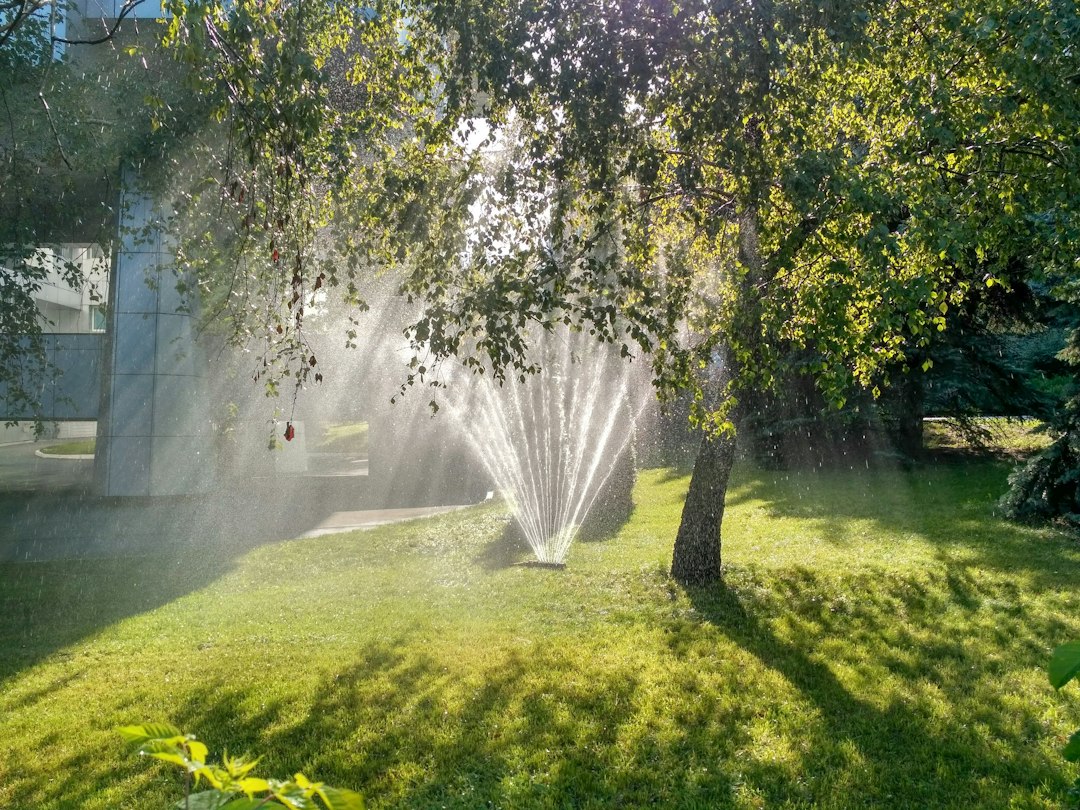
Sprinkler heads are the critical component that delivers water in a lawn sprinkler system or other irrigation equipment. They come in various types, each designed for specific applications. Rotor sprinkler heads, for instance, are suited for large, open areas like fields and parks, projecting a wide spray pattern. In contrast, spray nozzles provide a finer, more targeted water stream, ideal for dense vegetation or delicate plants.
The selection of the right sprinkler head depends on factors like land topography, vegetation density, and water pressure. A residential property with a mix of lawns and flower beds might use a combination of rotor heads and spray nozzles. The National Fire Protection Association (NFPA) and the Irrigation Association (IA) offer detailed guidelines for sprinkler head selection and installation, ensuring safety and efficiency. These guidelines emphasize the importance of matching head type to the specific needs of each site, as using the wrong head can lead to water waste and subbest coverage.
Proper maintenance of sprinkler heads is equally important. The International Fire Sprinkler Systems International (FSSI) recommends regular inspection to prevent clogging and ensure best performance. This includes cleaning or replacing nozzles as needed and checking for any signs of corrosion, especially in harsh environments. Areas with high mineral content in the water can accelerate corrosion, necessitating more frequent maintenance. By adhering to these guidelines, property owners and contractors can ensure their sprinkler systems operate effectively, providing adequate water coverage while minimizing waste.
Sprinkler valves, a key component in controlling water flow, must also be chosen and maintained thoughtfully. The Sprinkler Industry Standards Council sets industry standards for valves, ensuring their reliability and safety. Backflow preventers, often integrated into sprinkler valve systems, are mandatory in many regions to protect water sources from contamination. The Environmental Protection Agency (EPA) outlines strict regulations for backflow prevention, emphasizing its critical role in maintaining water quality. Regular testing and maintenance of these components, alongside the sprinkler heads, are essential for the complete integrity of the irrigation system.
Rotors, Nozzles, and Spray Patterns
The selection and installation of effective sprinkler rotors, nozzles, and spray patterns are critical components of any successful lawn sprinkler system. These elements directly influence water distribution and application, ensuring best irrigation coverage. A well-designed spray pattern can reduce water waste by minimizing overspray and maximizing droplet density on plant foliage.
Sprinkler rotors, ranging from impact to precision types, are selected based on the system's design, terrain, and desired coverage. Impact rotors, popular in residential settings, offer broad, low-pressure spray patterns ideal for large, open areas. Precision rotors, on the other hand, provide high-pressure, focused streams suitable for tighter spaces and more delicate fields. According to the Irrigation Association (IA), the right rotor choice can save up to 30% in water usage. Sprinkler Warehouse offers a comprehensive range of rotors from leading manufacturers, catering to diverse irrigation needs.
Spray nozzles, integral to the sprinkler heads, further customize water delivery. Nozzle selection depends on factors like flow rate, droplet size, and required coverage. Flat-fan nozzles produce a broad, even spray, ideal for large, grassy areas, while circular nozzles create a tighter, more concentrated pattern suitable for trees and shrubs. The National Fire Protection Association (NFPA) recommends regular nozzle inspection and replacement to maintain best performance and ensure uniform water distribution. Rotor Tech Innovations specializes in advanced nozzle technology, providing solutions for various irrigation challenges.
Effective sprinkler system equipment also includes careful consideration of backflow preventers, important for maintaining water quality. These devices prevent contaminated water from flowing back into the main supply, protecting against potential health hazards. The Environmental Protection Agency (EPA) mandates backflow prevention in many areas, with local building codes administration setting specific requirements. Integrating these safety features with the sprinkler valves ensures a comprehensive and secure irrigation system, enhancing the overall efficiency and reliability of the lawn sprinkler system.
System Selection, Installation, and Maintenance
The selection, installation, and maintenance of the equipment form the backbone of effective fire protection and efficient irrigation. A well-designed sprinkler system can reduce property damage and loss of life during fires, while efficient irrigation systems enhance field aesthetics and promote water conservation.
Starting with system selection, understanding the specific needs of the property is important. This involves assessing factors like size, terrain, and vegetation density. For commercial properties, the National Fire Protection Association (NFPA) provides detailed guidelines for design and installation, ensuring compliance with local building codes. In residential settings, homeowners often opt for drip irrigation kits, which offer precise water delivery to plants' roots, minimizing waste. Sprinkler Warehouse, a recognized supplier, offers a diverse range of equipment catering to various applications, from traditional sprinkler heads to advanced rotor tech innovations.
Installation requires meticulous planning and skilled labor. The Irrigation Association (IA) recommends following recognized industry standards, such as those set by the Sprinkler Industry Standards Council. Proper installation includes ensuring the system's pressure and flow rates meet the manufacturer's specifications. A study by Fire Sprinkler Systems International (FSSI) found that correct sprinkler valve placement and settings can enhance system effectiveness by up to 30%. Local building code administrations typically require professional certification for sprinkler system installation to guarantee safety and reliability.
Regular maintenance is vital to keep sprinkler systems operational and efficient. The Environmental Protection Agency (EPA) emphasizes the importance of routine inspections and testing to detect leaks, clogs, or pressure issues early. Occupational Safety and Health Administration (OSHA) guidelines for maintenance prioritize the safety of maintenance personnel, ensuring they use appropriate personal protective equipment (PPE) and follow safe work practices. Checking backflow preventers, important for preventing contaminated water from flowing back into the main supply, is a critical maintenance task. Drip works, a specialized irrigation equipment supplier, offers a range of maintenance tools and parts to support efficient system upkeep.
Sprinkler Valves: Backflow Prevention and Pipework
Sprinkler valves play a critical role in any irrigation equipment setup, ensuring water flows where and when needed while preventing backflow, a potential hazard that can contaminate the water supply. The National Fire Protection Association (NFPA) and the Sprinkler Industry Standards Council emphasize the importance of backflow prevention, mandating its inclusion in all fire sprinkler systems. The Johns Manville fire protection solutions range includes advanced backflow preventer models that meet or exceed these standards.
When selecting sprinkler valves, understanding local building codes is paramount. These codes dictate the specific types and models required for different applications, such as residential lawn sprinkler systems or commercial buildings. The Irrigation Association (IA) offers comprehensive resources on code compliance, including detailed guidelines for valve selection. In regions prone to freezing temperatures, anti-freeze protection valves are essential to prevent damage during winter months.
Installation and maintenance of sprinkler valves require precision and expertise. The Fire Sprinkler Systems International (FSSI) provides best practices for pipework, emphasizing the need for proper fitting and sealing to avoid leaks. A common mistake is underestimating the pressure rating of valves; using valves rated for higher pressures ensures best performance. A 1-inch valve should handle at least 10 gallons per minute (GPM) to meet most residential needs. Regular maintenance, including testing for backflow and checking for leaks, is important. According to the Environmental Protection Agency (EPA), routine valve inspection can reduce water waste by up to 20%, saving money and conserving resources.
To ensure the integrity of your sprinkler system, hire a certified plumber or contractor familiar with local regulations. They'll select the right valves, install them correctly, and perform ongoing maintenance. Remember, the right sprinkler valves, coupled with proper backflow prevention and pipework, are key to a reliable, efficient lawn sprinkler system that meets safety standards and protects your investment.
Frequently Asked Questions About Sprinkler System Equipment Guides
What are the different types of sprinkler heads used in irrigation systems?
Sprinkler heads come in various types, each designed for specific applications. The most common include impact sprinkler heads, which use a rotating impact disk to disperse water, and precision sprinkler heads that provide a focused spray pattern for targeted watering. Pop-up sprinkler heads rise above the ground surface, while buried sprinkler heads are installed below ground for a smooth, underground system. Drip irrigation emitters, smaller in size, release water gradually, making them ideal for planting beds and containers, and there are also side-spray and corner sprinkler heads for specific area coverage.
How do I select the right rotor for my sprinkler system?
Choosing the right rotor depends on several factors, including the size of your property, soil type, and desired watering pattern. Rotors vary in flow rate and throw distance, with some designed for light watering and others for intensive irrigation. Consider the water pressure in your system and select a rotor compatible with your pump. For larger areas, high-throw rotors offer longer reach, while low-flow rotors are suitable for drought-prone regions to conserve water.
What factors should I consider when installing a drip irrigation system?
Drip irrigation is an efficient watering solution, but installation requires careful planning. Assess the type of plants you have, as different species have varying water needs. Consider soil conditions; clay soils may require additional drainage. Determine the layout of your garden beds and decide on the placement of emitters for best water distribution. Regular cleaning and maintenance are important to prevent clogging, ensuring the system's longevity.
How do backflow preventers contribute to sprinkler system safety?
Backflow preventers are vital safety devices that guard against contamination of your drinking water supply. They work by stopping water from flowing back into the main water supply, blocking any potential harmful substances from entering. These devices are essential when sprinkler systems are connected to a municipal water supply, as they protect the water source and your entire community. Regular testing and maintenance ensure their reliability.
What are the best practices for maintaining a sprinkler system?
Regular maintenance ensures your sprinkler system operates efficiently and effectively. This includes cleaning the system to remove debris and mineral buildup, which can clog nozzles and reduce water pressure. Inspect all components, replacing worn-out parts like valves and gaskets. Check connections for leaks and ensure proper drainage to prevent waterlogging. Seasonal adjustments, such as winterizing the system before freezing temperatures, are important to protect pipes and prevent damage.
this article has explored the intricate world of the equipment, offering a practical guide for professionals and homeowners alike. From the selection of appropriate sprinkler heads for specific applications, to understanding the role of rotors, nozzles, and spray patterns, and the critical importance of backflow prevention through sprinkler valves, each component matters in the system's effectiveness and safety. The guidance on installation and maintenance, backed by industry standards from organizations like the National Fire Protection Association (NFPA) and the Sprinkler Industry Standards Council, ensures these systems function bestly and meet regulatory requirements. Key takeaways include the importance of local building code compliance, regular inspection, and the integration of modern controllers and valves to enhance efficiency and reliability. Moving forward, practitioners can use these insights to make informed decisions, ensuring the longevity and performance of sprinkler systems across diverse environments, whether in commercial buildings, industrial sites, or residential properties.