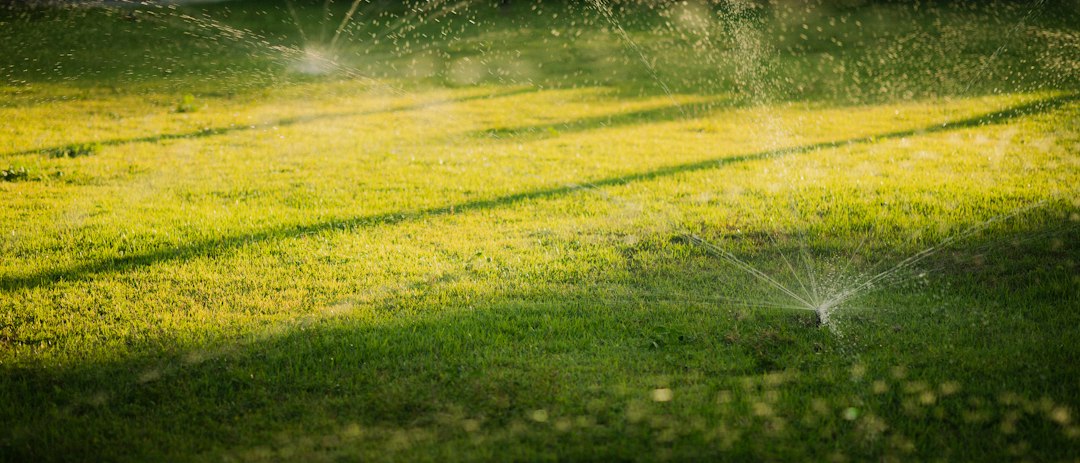
In the area of fire protection and efficient water management, sprinkler system equipment plays a key role. These systems, designed to suppress fires swiftly, are integral to building safety, especially in commercial and industrial settings. However, the complexity of modern sprinkler systems presents a challenge: proper installation, maintenance, and component selection. From sprinkler heads and rotors to backflow preventers and pipe fittings, each element must function harmoniously.
This article serves as a practical guide, offering insights into the intricate world of sprinkler system equipment. We'll explore best practices for installation, maintenance routines, and the latest advancements in components like drip irrigation kits and advanced control systems. By the end, you'll be equipped with the knowledge to ensure the reliability and efficiency of your sprinkler system, including the critical role of backflow preventers in water safety.
Let's examine the essential aspects, drawing from the expertise of industry leaders like Johns Manville, the National Fire Protection Association (NFPA), and the Sprinkler Industry Standards Council. We'll handle through the guidance of the Irrigation Association (IA) and Fire Sprinkler Systems International (FSSI) to provide practical, up-to-date information.
- Sprinkler Heads: Types and Selection
- Installation and Maintenance Best Practices
- Backflow Preventers: Protection and Compliance
- Drip Irrigation: Efficient Watering Solutions
Sprinkler Heads: Types and Selection
Sprinkler heads are the critical components that convert water pressure into a fine mist, essential for effective fire suppression. They come in various types, each suited for different applications and environments. Understanding the nuances of sprinkler head design and selection is key to ensuring best performance and reliability.
impact-activated sprinkler heads, a common type in commercial buildings, trigger when a certain force is applied, typically in response to a fire. These heads are designed for rapid deployment and can be classified by the pattern and range of the spray they produce, such as the popular side-spraying models used in wide-open spaces. In contrast, pendant sprinkler heads, often used in enclosed areas, hang from the ceiling and offer a downward-facing spray pattern, making them ideal for protecting valuable assets from overhead fires.
When selecting sprinkler heads, consider the building's layout, material storage, and potential fire hazards. The National Fire Protection Association (NFPA) provides guidelines for proper selection, installation, and maintenance of fire sprinkler systems, ensuring compliance with local building codes. The 2023 edition of the NFPA 13 standard includes updated requirements for backflow preventers, an important safety measure to prevent contaminated water from flowing back into the main water supply.
Irrigation equipment manufacturers, like Sprinkler Warehouse and Rotor Tech Innovations, offer a range of sprinkler heads with advanced features such as adjustable spray patterns and corrosion-resistant materials. These innovations not only enhance system efficiency but also contribute to sustainable lawn sprinkler system practices by minimizing water waste. The Irrigation Association (IA) provides resources and standards to ensure proper sprinkler system design and performance, aligning with environmental regulations set by the Environmental Protection Agency (EPA).
Installation and Maintenance Best Practices
The successful installation and ongoing maintenance of a lawn sprinkler system, or irrigation equipment, are critical for both water efficiency and fire protection. Starting with equipment selection, it's important to choose components that meet local building codes and align with the system's intended use. A residential system will require different hardware than a commercial one. The National Fire Protection Association (NFPA) and the Sprinkler Industry Standards Council offer detailed guidelines for proper selection, ensuring the system meets all necessary safety standards.
Once chosen, sprinkler heads, the system's front-line defense, must be strategically positioned according to the Irrigation Association (IA) best practices. Each head should be placed to bestly cover the intended area, with the right spray pattern and water distribution. Rotors, a type of sprinkler head, are ideal for large, open spaces, while spray nozzles excel in more confined areas. After installation, a backflow preventer, mandated by the Environmental Protection Agency (EPA) and enforced by local Building Codes Administration, should be rigorously tested to prevent water contamination.
Maintenance is key to ensuring the system operates efficiently and effectively. Regular inspection and cleaning, recommended by Fire Sprinkler Systems International (FSSI), can prevent clogs and ensure water flow isn't obstructed. This includes checking valve functionality, replacing worn-out parts, and testing the entire system for leaks. A well-maintained system not only conserves water but also minimizes the risk of fire, a critical factor for any facility. A study by the International Association of Fire Chiefs found that regular sprinkler system maintenance can reduce false alarms by 75% while enhancing overall system performance.
Proper installation and maintenance practices, guided by industry leaders like Johns Manville and OSHA, are essential for a sprinkler system's longevity and reliability. Using the right tools, following safety protocols, and adhering to manufacturer guidelines can extend the system's lifespan, ensuring it's ready when needed most.
Backflow Preventers: Protection and Compliance
Sprinkler systems, when correctly implemented and maintained, offer solid fire protection for buildings and their occupants. Central to this protection is the often-overlooked backflow preventer, an important component of any irrigation equipment, especially in commercial and multi-family settings. Backflow preventers, like other sprinkler system equipment, serve a vital role in ensuring the safety and compliance of the system.
The primary function of a backflow preventer is to stop contaminated water from flowing back into the main water supply. This is critical because sprinkler systems, in the event of a leak or failure, could draw in water from other sources, introducing contaminants and posing a potential health risk. According to the Environmental Protection Agency (EPA), backflow prevention is essential to maintain water quality, especially in areas where agricultural or industrial activities could taint the water supply. A study by the EPA in 2020 revealed that nearly 20% of communities with backflow prevention devices reported water quality improvements.
Installation and selection of backflow preventers are governed by local building codes and the National Fire Protection Association (NFPA) standards. The Irrigation Association (IA) and Fire Sprinkler Systems International (FSSI) also offer guidance on best practices. These organizations recommend regular testing and maintenance to ensure the backflow preventer's continued effectiveness. The NFPA suggests testing at least once a year, involving a qualified plumber, to verify proper operation. This proactive approach, coupled with the right equipment, like those from Sprinkler Warehouse and Rotor Tech Innovations, can significantly enhance the overall reliability of the sprinkler system.
When maintaining or installing backflow preventers, it's important to consider the type of system and the local climate. In areas prone to severe frost, drip irrigation kits equipped with solid backflow preventers can be a better option than traditional sprinkler valves. These systems, often recommended by experts like those at FireControl Solutions, offer both water conservation and reliable backflow protection. By adhering to these guidelines and staying informed about industry standards, building owners and managers can ensure their sprinkler systems, including the critical backflow preventers, operate safely and efficiently, protecting lives and assets.
Drip Irrigation: Efficient Watering Solutions
Drip irrigation, a highly efficient watering solution, plays an important role in modern the equipment, particularly in fields with diverse plant types and water conservation concerns. Unlike traditional sprinkler heads that spray water in a wide arc, drip systems deliver water directly to the root zones of plants, minimizing waste and maximizing water efficiency. This method is especially beneficial for dense gardens, mature trees, and areas with limited access to water, as it can reduce water usage by up to 70% compared to conventional sprinkler systems.
The core of a drip irrigation system comprises specialized hardware and components designed to deliver precise amounts of water. Sprinkler warehouse and drip works offer a range of spray nozzles, emitters, and micro-sprinklers that vary in flow rate and coverage area, allowing for precise tailoring to plant needs. Rotor Tech Innovations, a leading manufacturer, specializes in high-quality rotors that ensure uniform water distribution, important for maintaining healthy plant growth. Backflow preventers, a vital safety component, are integrated into these systems to stop contaminated water from flowing back into the main water supply, in line with Environmental Protection Agency (EPA) guidelines and local building codes, such as those administered by the Local Building Codes Administration.
Installation and maintenance of drip irrigation systems are guided by industry standards and best practices. The National Fire Protection Association (NFPA) and the Irrigation Association (IA) provide detailed guidelines on design, installation, and maintenance. The NFPA recommends regular backflow preventer testing to ensure their reliability and the integrity of the water supply. Fire Sprinkler Systems International (FSSI) offers advanced training programs for contractors, emphasizing the importance of precise placement of emitters and avoiding obstructions that could restrict water flow. Proper selection and placement of pipes and fittings, adhering to industry standards, are critical for the system's long-term efficiency and effectiveness. Regular maintenance, including cleaning and checking for leaks, ensures the system operates at peak efficiency, minimizing water waste and maximizing the health of the field.
Frequently Asked Questions About Sprinkler System Equipment Guides
What are the different types of sprinkler heads used in irrigation?
Sprinkler heads come in various types, each designed for specific applications. The most common are spray heads, which emit a fine mist, suitable for large open areas. Impact heads use a high-pressure stream of water to cover a smaller area quickly. Pop-up heads are buried underground until activated, ideal for lawn and garden watering. There are also rotating heads that cover a 360-degree area, and side-spraying heads for more targeted irrigation. These options allow for customized water distribution, ensuring efficient use in different fields.
How do I choose the right drip irrigation system for my garden?
Drip irrigation is an efficient way to water plants directly at the root zone. The system's design depends on factors like plant type, soil conditions, and available water pressure. Consider the plants' water needs and arrange them by drought tolerance. Determine the total water flow required and select a system with the appropriate flow rate. A professional can help calculate the system size and pressure, ensuring best water delivery for your garden.
What factors should I consider when selecting a sprinkler controller?
A sprinkler controller automates watering schedules, saving time and water. When selecting one, consider your property's size and complexity. Look for a controller with adjustable settings for different zones and watering times. Ensure it's compatible with your sprinkler system and supports weather-based adjustments for efficient water use. Check for user-friendly programming, remote access capabilities, and backup battery life for reliable operation.
How do backflow preventers protect my sprinkler system?
Backflow preventers are vital safety devices that stop contaminated water from flowing back into your sprinkler system. They protect against potential contamination from nearby sources, like irrigation wells or drainage systems. These devices allow water to flow in one direction only, ensuring clean water supply to the sprinkler heads. Regular testing and maintenance of backflow preventers are essential to guarantee the safety and integrity of the entire irrigation system.
What is the best material for sprinkler pipes and fittings?
Sprinkler pipes and fittings should be made from durable, corrosion-resistant materials like stainless steel, brass, or PVC. Stainless steel offers superior strength and longevity, suitable for both above-ground and underground installations. Brass is known for its resilience and compatibility with various valve types. PVC is lightweight, cost-effective, and ideal for temporary or light-use applications. The choice depends on the specific project requirements, budget, and expected lifespan.
this guide has illuminated the intricate world of the equipment, from the important sprinkler heads and their varied designs, to the meticulous selection and installation processes backed by industry leaders like Johns Manville and the National Fire Protection Association (NFPA). We've examined into best practices for maintenance, underscoring the importance of regular care as per Fire Sprinkler Systems International (FSSI) standards. Key components such as drip irrigation kits, controllers, valves, and backflow preventers—the latter being a vital safety measure, as enforced by the Environmental Protection Agency (EPA) and Occupational Safety and Health Administration (OSHA)—have been thoroughly explored.
Practical takeaways are abundant: for instance, understanding the nuances of different sprinkler heads can optimize fire protection and water usage, while proper backflow preventer installation ensures compliance and prevents contaminated water supply. The article has also highlighted the role of industry standards bodies, such as the Sprinkler Industry Standards Council, in ensuring the reliability and safety of sprinkler systems.
Moving forward, professionals in this field can use these insights to streamline equipment selection, enhance system efficiency, and uphold the highest safety standards. By adopting these practices, they contribute to solid fire protection and sustainable water management.