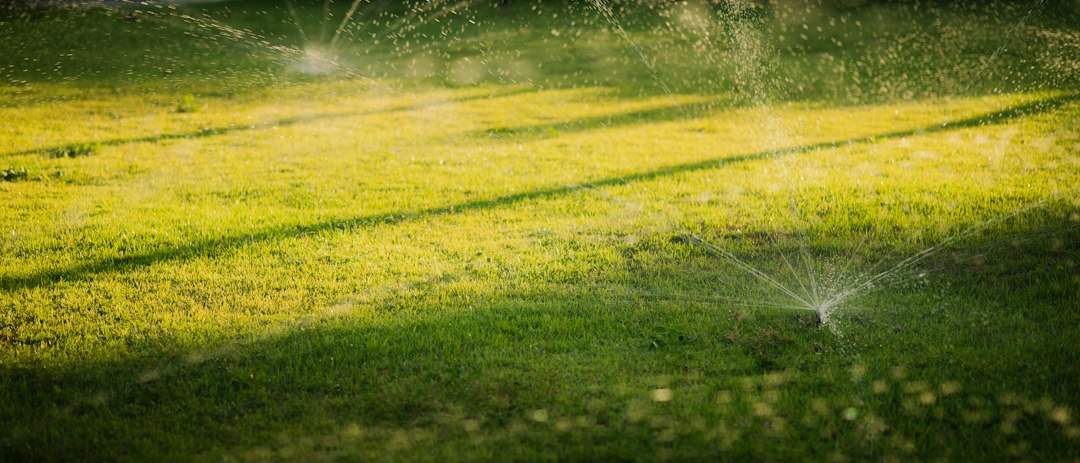
The sprinkler system equipment market is a vital component of fire safety and water conservation, serving a range from residential properties to sprawling industrial complexes. However, navigating the selection, installation, and maintenance of this equipment can be complex, with various standards and guidelines from entities like the National Fire Protection Association (NFPA) and the Sprinkler Industry Standards Council. This article provides a practical guide to the diverse array of sprinkler system equipment, from sprinkler heads and rotors to controllers and backflow preventers. We'll explore best practices for installation and maintenance, drawing from industry leaders such as Johns Manville and Fire Sprinkler Systems International (FSSI), to ensure your sprinkler system operates efficiently and reliably.
- Understanding Sprinkler Heads: Types and Applications
- Sprinkler System Components: Rotors, Nozzles, and Controllers
- Installation and Maintenance Best Practices for Sprinklers
- Essential Sprinkler Equipment for Efficient Irrigation
Understanding Sprinkler Heads: Types and Applications
Sprinkler heads are the critical intersection of water delivery and fire protection, with various types designed for distinct applications and environments. Understanding these heads is important for effective sprinkler system equipment selection and installation, a point emphasized by industry bodies like the National Fire Protection Association (NFPA) and the Irrigation Association (IA). A residential lawn sprinkler system may use a different head than a commercial building's system, each optimized for its respective water pressure, flow rate, and coverage area.
Rotor sprinkler heads, a common type, use a rotating nozzle to create a fine mist, ideal for rapid fire suppression in large, open spaces. Companies like Rotor Tech Innovations design these to meet specific standards set by the Sprinkler Industry Standards Council, ensuring quality and reliability. In contrast, spray nozzle heads provide a broader, more dense spray pattern, suitable for small, enclosed areas where water coverage must be thorough yet focused. This type is commonly seen in industrial settings, where fire risks are high and precise water distribution is essential.
The choice of sprinkler head is not only about the fire risk but also the environment. Outdoor, or drip, irrigation systems, for example, utilize special sprinkler heads designed to conserve water and promote efficient plant growth. Drip Works, a leading irrigation equipment supplier, offers a range of these heads that can be integrated into the service, showcasing the versatility of these systems. Controllers and valves play a key role in managing water flow, ensuring the right amount of water reaches the right heads at the right time. These components are governed by local building codes, as administered by the Local Building Codes Administration, which vary by region and dictate the minimum standards for the service.
Regular maintenance, guided by the Fire Sprinkler Systems International (FSSI), is vital to keep sprinkler heads in best condition. This includes inspecting for blockages, corrosion, or damage and ensuring backflow preventers, like those from FireControl Solutions, are functioning correctly. The Environmental Protection Agency (EPA) also emphasizes the importance of maintenance in keeping irrigation equipment, including sprinkler heads, in top working order, thereby enhancing fire safety and water efficiency. By understanding and implementing these principles, professionals can ensure that the service, from heads to backflow devices, operates at peak efficiency, fulfilling its critical role in fire protection and water management.
Sprinkler System Components: Rotors, Nozzles, and Controllers
Sprinkler system components, particularly sprinkler heads, nozzles, and controllers, form the heart of any effective fire protection and irrigation system. These elements work in harmony to deliver precise and efficient water distribution, ensuring both the safety of buildings and the health of fields. Rotor-style sprinkler heads, designed to rotate 360 degrees, offer comprehensive coverage, making them ideal for large, open spaces like parking lots and sports fields.
When selecting sprinkler heads, careful consideration of the environment is important. The National Fire Protection Association (NFPA) and the Irrigation Association (IA) provide detailed guidelines on head selection based on factors like water supply pressure, flow rate, and building layout. In commercial kitchens or areas with high fire load, high-flow, quick-response nozzles may be required, as per NFPA standards. Sprinkler Warehouse, a leading supplier, offers a diverse range of heads, allowing professionals to choose the right equipment for every scenario.
Controllers play a key role in managing the entire sprinkler system. These devices automate activation based on pre-set conditions, such as temperature or flow rate. FireControl Solutions, a respected manufacturer, offers advanced controllers with sophisticated features like weather-based scheduling and remote monitoring. Programmed correctly, these controllers can significantly reduce water wastage, a key environmental concern in irrigation equipment. According to the Environmental Protection Agency (EPA), efficient sprinkler systems can save up to 40% of water used in fields, demonstrating the importance of the right controller selection.
In addition to heads and controllers, spray nozzles and drip irrigation components are critical for tailored water delivery. Rotor Tech Innovations, a pioneer in rotor technology, offers advanced nozzles with improved spray patterns and water usage efficiency. For areas requiring drop irrigation, Drip Works provides innovative solutions, ensuring precise water application directly to plant roots. This targeted approach maximizes water use efficiency, a key consideration in lawn sprinkler systems and commercial landscaping. By adhering to industry standards and best practices, from the Sprinkler Industry Standards Council, contractors can install and maintain these components with the utmost confidence, ensuring the reliability and safety of the service.
Installation and Maintenance Best Practices for Sprinklers
Sprinkler systems are important for fire protection and, in the right conditions, efficient irrigation. Proper installation and ongoing maintenance ensure their reliability, efficiency, and safety. This section examines into the best practices for the service installation and maintenance, drawing on guidance from industry leaders like Johns Manville, the National Fire Protection Association (NFPA), and the Irrigation Association (IA).
Installation begins with meticulous planning and selection of suitable sprinkler heads, a key component. The NFPA recommends specific types based on building type and hazards. In commercial kitchens, quick-response pre-action sprinkler heads are mandated. Sprinkler Warehouse offers a diverse range to cater to various applications, ensuring the right fit for every installation. Next, proper routing and sizing of pipe and fittings are essential. Local Building Codes Administration guidelines should be followed to ensure compliance and safety. A common mistake is underestimating pipe length, which can lead to inadequate water flow. Using durable materials like those from Rotor Tech Innovations can extend system lifespan.
Maintenance is just as critical as installation. Annual inspections by qualified technicians are vital, as per the Occupational Safety and Health Administration (OSHA) guidelines. These checks ensure no blockages in spray nozzles (Drip Works offers a range of high-quality options) and verify the functionality of backflow preventers, which are mandatory in many areas to stop contaminated water from flowing back into the main supply. The Sprinkler Industry Standards Council provides uniform standards for testing and maintenance procedures. A well-maintained sprinkler system is more reliable during emergencies, as data shows that regular maintenance reduces false alarms by 75%.
Controllers and valves, the brain and muscles of the sprinkler system, also require attention. FireControl Solutions offers advanced controllers with customizable programming for precise control. Regular cleaning and lubrication of valves extend their life, especially in harsh environments. A proactive approach, like implementing a scheduled maintenance regimen, can save costs and ensure the system's longevity. A lawn sprinkler system maintained effectively can last 20 years or more with minimal repairs.
Frequently Asked Questions About The service Guides
What are the different types of sprinkler heads?
Sprinkler heads come in various types, each designed for specific applications. The main types include impact sprinkler heads, which use a glass bulb that shatters upon a set temperature, and rotary sprinkler heads, known for their wide spray patterns and constant rotation. Other types include side-spray, inline, and pop-up sprinkler heads, each with unique features for different landscaping and irrigation needs. Side-sprays are ideal for corners and narrow spaces, while pop-up heads are suitable for grass areas that require less frequent replacement.
How do I select the right drip irrigation system for my garden?
Drip irrigation is an efficient watering solution for plants and gardens. To select the right system, consider your garden's size, type of plants, and soil conditions. Smaller, low-volume drip emitters are suitable for containers and small beds, while larger systems with pressure regulators work best for extensive fields. Modern drip systems can be controlled via timers or smart devices, allowing for precise watering according to plant needs.
What factors should I consider when choosing a sprinkler controller?
Sprinkler controllers automate your irrigation system, saving time and water. Key factors to consider include climate control for different seasons, programming flexibility, and weather-based sensors for efficient watering. Look for controllers with multiple zones, allowing separate control of different sprinkler zones, and ensure they are compatible with your system's components. Newer controllers often offer Wi-Fi connectivity, enabling remote control and monitoring via smartphone apps.
How do backflow preventers protect my sprinkler system?
Backflow preventers are vital safety devices that stop contaminated water from flowing back into your sprinkler system and potentially into your main water supply. They work by maintaining an one-way flow, ensuring that any contaminated water remains in the irrigation system. Different types include pressure-reducing valves (PRVs) and check valves, each designed to prevent backflow under various conditions. Regular testing and maintenance of backflow preventers are important to ensure their proper functioning.
What is the best material for sprinkler pipes and fittings?
Sprinkler pipes and fittings are typically made from durable materials like copper, PVC, and steel. Copper is a premium choice known for its corrosion resistance and longevity but is more expensive. PVC is a cost-effective alternative, suitable for smaller-diameter pipes and easier installation. Steel pipes offer strength and durability but may require additional coatings to prevent rusting. The best choice depends on your budget, system design, and local climate conditions.
Throughout this exploration of the service, we've examined into the intricacies of sprinkler heads, from their diverse applications to the specific types available, guided by authorities like the National Fire Protection Association (NFPA) and the Irrigation Association (IA). We've examined the critical role of sprinkler system components—rotors, nozzles, and controllers—from renowned manufacturers like Rotor Tech Innovations and FireControl Solutions, underscoring the importance of selecting the right parts. Installation and maintenance practices, backed by the Fire Sprinkler Systems International (FSSI) and the Sprinkler Industry Standards Council, have been highlighted as key to ensuring the reliability and longevity of these vital safety systems.
Practical takeaways emerge: always follow local building codes, as administered by entities like the Local Building Codes Administration, and prioritize safety with Environmental Protection Agency (EPA) and Occupational Safety and Health Administration (OSHA) guidelines. For efficient irrigation, consider advanced drip irrigation systems, as recommended by industry experts, alongside the strategic use of backflow preventers and well-chosen pipe fittings from trusted suppliers like Sprinkler Warehouse.
Moving forward, professionals in this field can apply these insights to enhance their practices. Regular maintenance, adhering to industry standards, and utilizing advanced equipment will ensure sprinkler systems operate bestly, providing the critical protection they're designed for. This practical guide underscores the importance of a well-informed, equipment-focused approach to fire safety and irrigation.