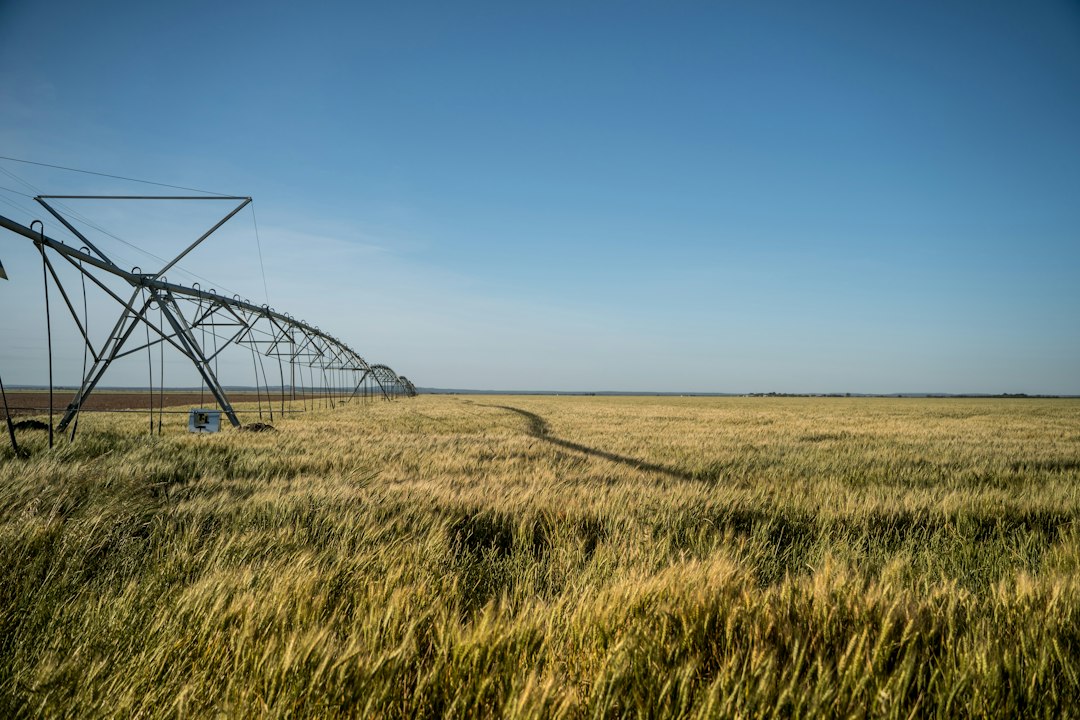
In the realm of landscaping and agricultural management, efficient irrigation systems are not just a luxury, but a necessity. Ensuring plants receive adequate water is a delicate balance, one that relies on the intricate interplay of various sprinkler system components. From sprinkler heads that deliver water precisely where needed, to controllers that orchestrate the entire system, each element plays a crucial role. This guide delves into the heart of sprinkler system equipment, providing an authoritative overview of sprinkler heads, rotors, spray nozzles, drip irrigation, controllers, valves, backflow preventers, and pipes—essential tools for any expert aiming to design, install, or maintain a robust and water-efficient irrigation system. We'll also explore best practices for selection, installation, and ongoing maintenance, ensuring your system operates at peak performance.
- Sprinkler Heads: Types and Selection
- Rotors, Nozzles, and Drip Irrigation Basics
- Irrigation Controller: Programming and Installation
- Maintenance, Valves, Backflow, and Pipework
Sprinkler Heads: Types and Selection
Sprinkler heads are a critical component of any irrigation system, playing a pivotal role in efficient water distribution for lawn sprinkler systems. The variety of sprinkler head types available, each with unique characteristics, makes selection a nuanced process. Impact, spray pattern, and flow rate are key factors to consider when choosing the right sprinkler heads for your landscape.
Impact sprinkler heads, for instance, are designed to penetrate heavy soil or turf, dispersing water over a large area. Their robust construction ensures they withstand intense pressure, making them ideal for expansive landscapes. On the other hand, pop-up sprinkler heads are the most common, rising slightly above the ground to distribute water in a fine, even spray. These are versatile and suitable for various turf types, especially in areas with moderate soil conditions. For narrow spaces and targeted irrigation, side-spray or angle sprinkler heads offer precise water delivery, ensuring efficient use without waste.
When selecting sprinkler heads, aligning them with your irrigation controller and the specific needs of your lawn is paramount. Modern irrigation equipment, like smart controllers, allows for precise programming, ensuring water delivery matches plant requirements. For example, a controller can schedule shorter, more frequent irrigations during hot summers, conserving water while maintaining lush greenery. Regular maintenance, including checking sprinkler heads for clogs or damage, replacing worn-out components, and adjusting spray patterns as plants grow, is crucial for optimal system performance.
Rotors, Nozzles, and Drip Irrigation Basics
Rotors, nozzles, and drip irrigation form the backbone of efficient lawn sprinkler systems, enabling precise and targeted water delivery. Rotors, typically used in rotary sprinkler heads, spray water in a broad pattern, ideal for large, open areas. Their rotation ensures thorough coverage, making them suitable for fields, parks, and sports grounds. Nozzles, on the other hand, are designed for more focused irrigation, offering various spray patterns from fine mists to dense droplets. This versatility allows for customized watering based on plant types and soil conditions.
Drip irrigation, a precision watering method, uses small diameter tubes to deliver water directly to plant roots. This approach minimizes water waste by preventing evaporation and runoff, making it especially beneficial for dry regions and water-sensitive plants. The efficiency of drip systems is further enhanced by integrating intelligent irrigation controllers. These devices, often called irrigation controllers, orchestrate watering schedules based on real-time weather data, soil moisture levels, and plant needs, ensuring optimal water usage. For instance, a smart controller can reduce watering during periods of high rainfall or adjust frequency and duration based on plant growth.
Selecting the right equipment involves understanding specific site requirements. Factors like climate, soil type, and vegetation density dictate the choice of rotors, nozzles, and drip emitters. For example, high-efficiency nozzles are ideal for water-efficient landscapes, while heavy-duty rotors withstand harsh conditions in outdoor arenas. Regular maintenance, including cleaning nozzles to prevent clogging and checking valve functionality, ensures optimal performance. Moreover, backflow preventers and pressure regulators, essential components of any irrigation system, safeguard water quality and prevent system damage.
Irrigation Controller: Programming and Installation
Irrigation controllers are the brains behind any efficient lawn sprinkler system, orchestrating the delivery of water to your landscaping with precision and efficiency. Programming and installing these devices correctly is vital to ensure optimal plant health and water conservation. A typical controller adjusts water application based on factors like soil moisture, weather conditions, and time of day, automating the watering process to meet your plants' specific needs.
Programming involves setting the controller's schedule, zone settings, and watering parameters. Each zone represents a distinct area of your property, allowing you to customize water delivery for various plant types and microclimates. For instance, you might set a deeper, less frequent watering schedule for tree and shrub zones compared to turf zones. Many modern controllers offer smart features, such as weather data integration and remote access via mobile apps, allowing for even greater control and customization.
During installation, careful consideration of your lawn sprinkler system's layout and wiring is paramount. Controllers come in various sizes and capabilities, so selecting the appropriate model for your property's size and irrigation requirements is essential. Secure mounting, proper grounding, and adequate electrical supply are crucial for ensuring the controller's longevity and reliable operation. Regular testing and calibration after installation guarantee the system operates efficiently, minimizing water waste and maximizing plant health.
Maintenance, Valves, Backflow, and Pipework
Maintenance of sprinkler systems is a critical aspect that often goes overlooked until issues arise. Regular upkeep ensures optimal performance and longevity of irrigation equipment, including sprinkler heads, rotors, and spray nozzles. A well-maintained system can save water, reduce energy costs, and prevent costly repairs. Starting with a thorough inspection, including checking for clogs, leaks, and corrosion, is essential. Replacing worn-out components, such as nozzles and seals, should be part of a preventative maintenance regimen. For example, calcium deposits on spray nozzles can restrict water flow, leading to uneven watering and potential damage to plants.
Valves play a pivotal role in controlling water flow within the sprinkler system. Backflow preventers, in particular, are vital to ensure water is flowing in the correct direction, preventing contaminants from entering the main water supply. Regular testing and maintenance of these valves are crucial to safeguard water quality. Many irrigation controllers today offer advanced features like weather data integration and smart scheduling, allowing for precise control and efficiency. For instance, a smart controller can adjust watering patterns based on real-time weather data, preventing over-irrigation during wet periods.
Pipework, the backbone of any sprinkler system, requires regular inspection for leaks and damage. Aging pipes can weaken, leading to significant water losses. Using high-quality pipes and fittings and ensuring proper installation are key to mitigating these issues. For instance, a well-designed piping layout can minimize twists and turns, reducing the risk of leaks and ensuring water flows efficiently. Regular maintenance, including pressure testing and inspection, should be incorporated into the annual sprinkler system check-up to identify and address potential problems early on.
Frequently Asked Questions About Sprinkler system equipment guides: sprinkler heads, rotors, spray nozzles, drip irrigation, controllers, valves, backflow preventers, pipe and fittings, selection, installation and maintenance.
What are the different types of sprinkler heads? Sprinkler heads come in various types, each designed for specific applications. The most common types include impact sprinklers (activated by a set weight), pop-up sprinklers (retractable and visible), side-spray sprinklers (for broader coverage), and pre-action sprinklers (requiring two signals before activating). Each type has unique features for controlling water distribution and triggering mechanisms.
How do I select the right sprinkler head for my lawn? Choosing the right sprinkler head depends on your lawn's size, shape, and vegetation. Consider the water coverage area of each head and select models suitable for your lawn's specific needs. Factor in water pressure, flow rate requirements, and whether you need adjustable spray patterns. It's essential to match the sprinkler head to your irrigation system's capabilities.
What is the purpose of a backflow preventer? A backflow preventer is a safety device installed in sprinkler systems to stop contaminated water from flowing back into the main water supply. It protects your water source by preventing any potential backward flow, ensuring that only clean water reaches your irrigation system. Backflow preventers are crucial for maintaining water quality and complying with local regulations.
Can drip irrigation systems be used for large landscapes? Absolutely. Drip irrigation, also known as micro-irrigation, is highly effective for large landscapes due to its precise water delivery. It involves placing tiny emitters or nozzles at the plant base, delivering water directly to the roots. This method conserves water, reduces evaporation, and minimizes weed growth. Drip systems can be designed to accommodate various landscapes, including large gardens and fields.
How do I install a sprinkler controller? Sprinkler controller installation involves connecting it to your water supply and irrigation system. Start by turning off the water supply to the sprinkler system. Then, locate the controller's control valve and attach the water line. Next, connect the controller to the sprinkler valves using the appropriate wiring. Follow the manufacturer's instructions for setting up the controller, programming the schedule, and ensuring proper testing.
What are the maintenance requirements for sprinkler systems? Regular maintenance is vital for keeping sprinkler systems in top condition. This includes checking for leaks, inspecting valve operations, and cleaning or replacing filters. During the growing season, inspect sprinkler heads for blockages or damage. Ensure all components are functioning correctly and make necessary adjustments. Seasonal maintenance ensures optimal water distribution and system longevity.
Throughout this comprehensive guide, we've delved into the intricate world of sprinkler system equipment, from the foundational components like sprinkler heads and rotors to the often-overlooked yet critical elements such as backflow preventers and irrigation controllers. Key takeaways include the importance of matching sprinkler head types to specific application needs, understanding the nuances of drip irrigation for efficient water distribution, and recognizing the central role of the irrigation controller in optimizing system performance. Effective selection, installation, and maintenance of these components not only ensure the longevity of your sprinkler system but also contribute to responsible water management. Moving forward, prioritize regular upkeep, stay informed about local regulations, and consider advanced automation through an irrigation controller to create a sustainable and efficient outdoor oasis.