The effectiveness of fire protection in buildings heavily relies on the reliability of sprinkler system equipment. Sprinkler heads, rotors, spray nozzles, and drip irrigation components form the backbone of these life-saving systems, ensuring swift and precise water delivery in the event of a fire. Yet, the selection, installation, and maintenance of this equipment can be complex, leading to potential failures and costly repairs. This article guides professionals through the intricacies of sprinkler system equipment, from understanding key components like controllers and backflow preventers, to practical installation and maintenance tips backed by industry standards from organizations like the National Fire Protection Association (NFPA) and Irrigation Association (IA). By the end, you'll be equipped to ensure these vital safety systems function bestly.
- Sprinkler Heads: Types and Selection for Best Coverage
- Rotors, Nozzles, and Drip: Understanding Spray Patterns
- Controller Installation and Programming for Efficient Irrigation
- Maintenance, Backflow, and Pipes: Ensuring Longevity and Safety
Sprinkler Heads: Types and Selection for Best Coverage
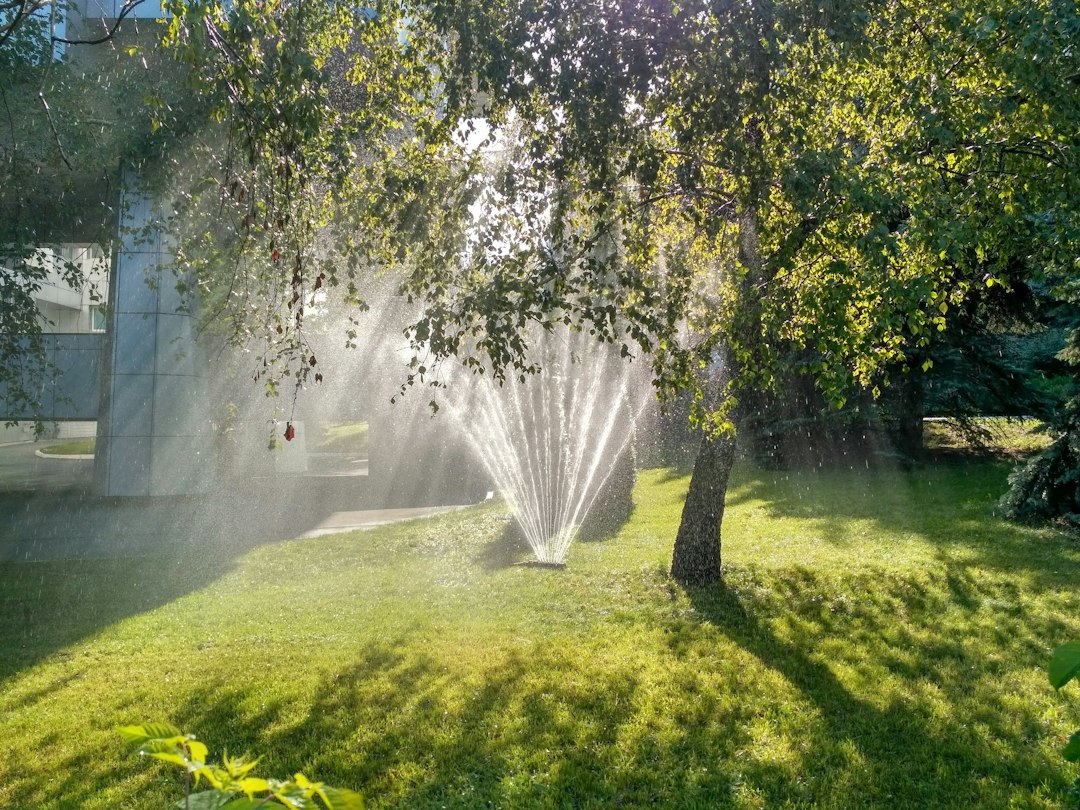
Sprinkler heads are an important component of any lawn sprinkler system or irrigation equipment setup. Their design and selection directly impact water distribution, ensuring best coverage and efficiency. Understanding the diverse range of sprinkler heads available is key to effective the equipment installation and maintenance.
Rotor sprinkler heads, for instance, are a popular choice for large areas due to their ability to rotate and provide full 360-degree coverage. These heads are ideal for fields, parks, and extensive fields. On the other hand, spray nozzles offer a finer mist, making them suitable for smaller, more intricate garden designs. The type of sprinkler head chosen depends on factors like vegetation density, terrain, and desired water application rate. According to the Irrigation Association (IA), proper selection can lead to water savings of up to 40% compared to inefficient systems.
When selecting sprinkler heads, consider the following: water pressure, flow rate, and throw distance. The National Fire Protection Association (NFPA) and the Sprinkler Industry Standards Council have established guidelines for sprinkler head placement and performance, ensuring safety and effectiveness. In-ground sprinkler heads should be installed at the correct depth, typically 6-12 inches below the surface, to prevent damage from lawnmowers and to ensure consistent water distribution. Regular maintenance, including cleaning and inspection, is vital to keep sprinkler heads functioning bestly.
incorporating drip irrigation systems as part of your the equipment can provide precise water delivery to plant bases, minimizing water waste. These systems use small emitters to release water slowly, directly into the root zone. This method is highly efficient, especially for drought-prone areas, as it reduces evaporation and runoff. The Environmental Protection Agency (EPA) recognizes drip irrigation as a valuable tool for water conservation, promoting sustainable landscaping practices.
Rotors, Nozzles, and Drip: Understanding Spray Patterns
Sprinkler systems rely on precise spray patterns to effectively douse fires, with each component playing a critical role. Rotors, spray nozzles, and drip irrigation systems form the backbone of the equipment, determining water distribution and intensity. Rotors, when paired with suitable nozzles, can create a fine balance between extensive coverage and targeted streams, important for both outdoor and indoor applications.
The choice of rotor and nozzle depends on factors like building layout, occupancy type, and local fire codes. According to the Irrigation Association (IA), the NFPA 13 standard provides guidelines for these selections, ensuring best performance and safety. High-efficiency rotors designed for commercial buildings offer faster response times and reduced water usage, aligning with sustainability goals. Conversely, residential systems often benefit from larger droplet sizes, reducing water waste while maintaining adequate coverage.
Drip irrigation kits, another facet of the equipment, excel in targeted, low-volume water delivery. They're ideal for watering plants and fields directly at the root zone. Manufacturers like Drip Works offer customizable solutions, allowing for precise water application based on plant needs. This targeted approach not only conserves water, as recommended by the Environmental Protection Agency (EPA), but also minimizes damage from over-saturating, a common issue with traditional sprinkler systems.
Regular maintenance, guided by industry standards from the Sprinkler Industry Standards Council, ensures these components function bestly. This includes inspecting nozzles for clogging, checking rotor wear, and replacing backflow preventers to avoid water contamination. Johns Manville, a leading building materials company, emphasizes the importance of adherence to local building codes and regular service, as these measures directly impact the reliability and safety of fire protection systems.
Controller Installation and Programming for Efficient Irrigation
The equipment, particularly irrigation controllers, matters in efficient lawn sprinkler system management. These devices orchestrate the timing and duration of water delivery, ensuring best plant growth while minimizing water waste. A well-installed and programmed controller can save up to 30% of water usage compared to manual or timer-based systems, according to the Irrigation Association (IA).
Controller installation requires careful consideration of the property's layout, plant types, and local climate. A residential property with a mix of lawns, flowers, and shrubs will have different watering needs than a commercial field. During installation, it's important to connect the controller to the equipment, including sprinkler heads, backflow preventers, and valves. Johns Manville, a leading insulation manufacturer, emphasizes the importance of proper connections to prevent water damage and ensure system reliability. The National Fire Protection Association (NFPA) offers guidelines for fire sprinkler system installation, which can be adapted for irrigation systems, underscoring the need for professional and code-compliant practices.
Programming the controller is an art in itself. It involves setting up zones based on water requirements, incorporating weather data, and scheduling irrigation according to plant needs. A drip irrigation kit for a vegetable garden might be programmed to water in the early morning, while a spray nozzle zone for a lawn could run during cooler parts of the day to reduce evaporation. The Sprinkler Industry Standards Council recommends regular controller maintenance, including calibrations and software updates, to ensure accurate and efficient operation. According to a 2020 study by Fire Sprinkler Systems International (FSSI), well-maintained controllers can extend the lifespan of the entire the equipment, enhancing its efficiency and reliability.
When selecting and installing irrigation controllers, it's essential to consider the latest technology, such as smart controllers that offer remote access and real-time weather updates. These innovations allow homeowners and field managers to fine-tune irrigation schedules, further optimizing water use. By following best practices in controller installation and programming, the industry can continue to drive sustainable water management, ensuring lush fields while preserving resources.
Maintenance, Backflow, and Pipes: Ensuring Longevity and Safety
The equipment, from sprinkler heads to pipe fittings, requires diligent maintenance, solid backflow prevention, and careful installation to ensure longevity and safety. Regular maintenance, guided by organizations like the National Fire Protection Association (NFPA) and the Irrigation Association (IA), is paramount. The NFPA 25 Standard provides a comprehensive framework for inspection, testing, and maintenance of fire sprinkler systems, including lawn sprinkler systems.
Backflow preventers, mandated by local building codes and the Environmental Protection Agency (EPA), are important components that safeguard water quality. These devices, such as the ones offered by Sprinkler Warehouse and Rotor Tech Innovations, prevent contaminated water from flowing back into the main water supply. The selection and installation of these components must adhere to local regulations and industry standards, as outlined by the Sprinkler Industry Standards Council. Regular testing and replacement of backflow preventers, typically every five years, is recommended to maintain system integrity.
Piping and fittings, the backbone of any sprinkler system, must be chosen with care. Materials like copper, plastic, and steel, available from Drip Works and FireControl Solutions, offer varying advantages in terms of durability, cost, and installation ease. Proper installation, as per the guidance of the Occupational Safety and Health Administration (OSHA), is vital to prevent leaks and ensure the system operates efficiently. This involves ensuring adequate slope for drainage, secure connections, and adherence to manufacturer specifications.
To maintain best performance, a proactive approach is essential. This includes annual system flow tests, thorough inspections, and prompt repair of any leaks or damaged components. By prioritizing these maintenance practices, you extend the lifespan of your irrigation equipment, minimize downtime, and uphold the safety standards set by industry leaders and regulatory bodies.
Frequently Asked Questions About Sprinkler System Equipment Guides
What are the different types of sprinkler heads used in irrigation systems?
Sprinkler heads come in various types, each designed for specific applications and coverage areas. The most common types include:
-
Pop-up sprinkler heads: The most familiar, these heads rise above the ground after activation, spraying water in a full 360-degree arc. They're suitable for large, open areas.
-
Rotor sprinkler heads: These heads rotate, providing wider coverage than pop-ups, often up to 180 degrees or more. They're ideal for larger fields and parks.
-
Spray nozzles: These direct water streams in specific patterns, offering focused coverage for rows of plants or narrow areas.
-
Drip irrigation emitters: These tiny, buried devices release water slowly and directly to plant roots, conserving water and minimizing weed growth.
How do I select the right sprinkler controller for my system?
Sprinkler controller selection depends on your system's size, complexity, and specific needs. Consider:
- Number of zones: Each zone controls a section of your sprinkler system. More zones allow for individual scheduling and watering needs.
- Water source: Electric controllers require a power supply, while battery-powered models offer more flexibility.
- Programming features: Look for controllers with customizable settings, weather data integration, and remote control capabilities.
- Capacity: Ensure the controller can handle the flow rate and number of sprinklers in your system.
What is the purpose of a backflow preventer in sprinkler systems?
Backflow preventers are important safety devices that stop contaminated water from flowing back into your potable water supply. They protect against harmful substances from entering your main water line, ensuring clean water for your field.
When should I replace my sprinkler system's pipes and fittings?
Regular inspection is key. Look for signs of corrosion, leaks, or damage. Generally, PVC pipes last 20-30 years, while metal pipes may last 50 years or more. Fittings should be replaced if they show signs of wear, corrosion, or leaks.
How do I maintain my sprinkler system to ensure best performance?
Regular maintenance is vital. This includes:
- Annual system flush: Removes mineral buildup and debris.
- Check for leaks: Inspect all connections and fittings for any signs of water loss.
- Adjust sprinkler heads: Ensure they are pointed correctly and spraying efficiently.
- Test the backflow preventer: Verify it's functioning properly to prevent backflow.
The practical guide on the equipment offers practical insights into optimizing sprinkler coverage, understanding water distribution, and ensuring the longevity of your system. By selecting the right sprinkler heads for specific needs, choosing drip irrigation for targeted watering, and programming controllers for precise timing, you can achieve efficient and effective irrigation. Regular maintenance, including backflow prevention and pipe inspection, is important for safety and system integrity, aligning with standards from organizations like the NFPA, IA, and FSSI. Following these guidelines, from pipe fittings to valve selection, ensures a well-functioning, safe, and sustainable sprinkler system, backed by industry experts and regulatory bodies. The next step is to implement these strategies, ensuring your the equipment performs bestly and protects against fire and drought.