The reliability of fire protection in buildings depends heavily on the effectiveness of sprinkler systems, making sprinkler system equipment a critical component in commercial and residential safety. However, the complexity of this equipment, from sprinkler heads and drip irrigation kits to controllers and backflow preventers, can pose challenges for installation and maintenance. This confusion often leads to subpar system performance, even failure, and potential safety risks.
To address this, we'll guide you through the essential aspects of sprinkler system equipment, offering insights into the latest technologies, regulatory standards, and best practices. We'll cover everything from selection and installation to maintenance routines, ensuring your system functions bestly and meets all safety requirements, including those set by the National Fire Protection Association (NFPA) and the Sprinkler Industry Standards Council.
By the end, you'll be equipped to make informed decisions, select the right components, and maintain your sprinkler system effectively, enhancing safety and peace of mind.
- Sprinkler Heads: Types and Applications
- Drip Irrigation Kits: Selection and Installation
- Sprinkler System Components: Valves & Backflow
- Maintenance and Troubleshooting: Extending Lifespan
Sprinkler Heads: Types and Applications
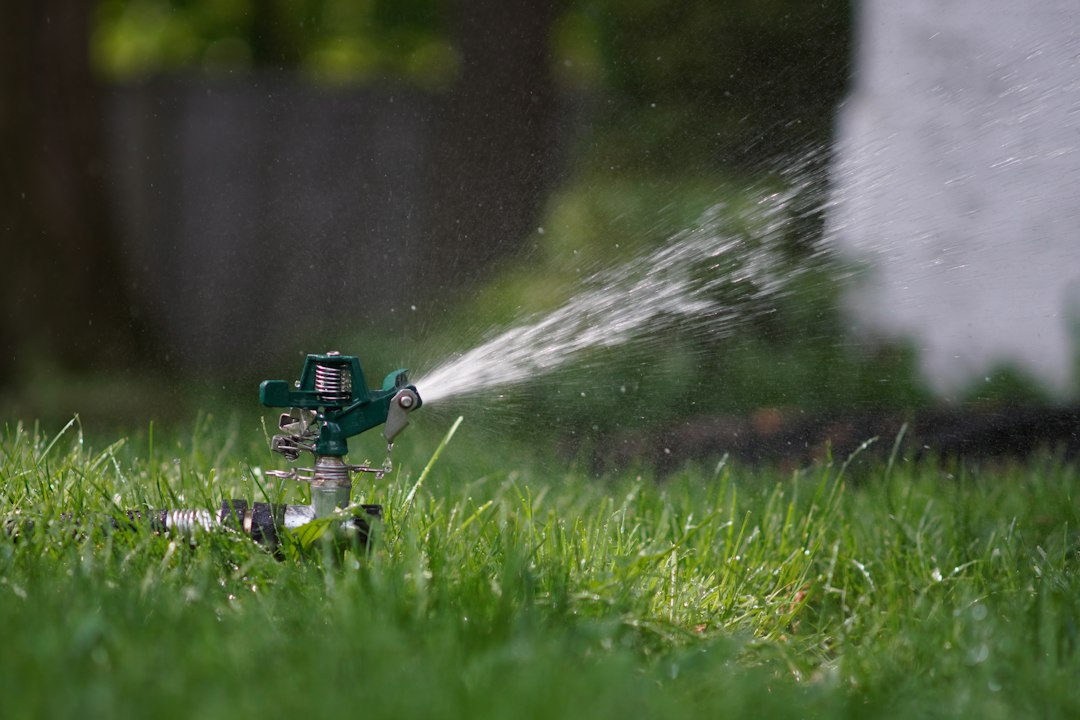
Sprinkler heads are the heart of any irrigation system, delivering water precisely where needed. They come in various types, each designed for specific applications. Rotor sprinklers, for instance, are ideal for large, open areas like fields and sports fields, with their wide spray patterns and ability to operate at varying pressure levels. In contrast, spray nozzles offer a fine mist, perfect for seedlings and delicate plants, conserving water and minimizing soil erosion.
When selecting sprinkler heads for a lawn sprinkler system or drip irrigation kit, understanding your field is important. Areas with heavy vegetation may require more frequent, lower volume applications, making micro-sprinklers or precision nozzles suitable choices. Conversely, open spaces with low vegetation density might be better served by standard rotor heads. The National Fire Protection Association (NFPA) and the Irrigation Association (IA) offer practical guides for proper selection and installation, emphasizing the importance of local building codes and environmental considerations.
The right sprinkler heads not only ensure efficient water distribution but also play a vital role in fire protection. FireSprinkler Systems International (FSSI) highlights the critical function of sprinkler heads in early fire detection and suppression, with some modern models featuring advanced sensors and smart technology. Regular maintenance, as per the guidelines set by the Sprinkler Industry Standards Council and local authorities like the Occupational Safety and Health Administration (OSHA), is essential to ensure the reliability and longevity of these components. This includes periodic testing, cleaning, and inspection to prevent clogging and ensure best performance.
By considering the specific needs of your field and adhering to industry standards, you can maximize the efficiency and effectiveness of your irrigation equipment, whether you're managing a traditional lawn sprinkler system or implementing a sophisticated drip irrigation kit. This proactive approach not only conserves water but also contributes to the overall health and beauty of your property.
Drip Irrigation Kits: Selection and Installation
Drip irrigation kits are a precise, efficient way to water lawns and fields, particularly in areas with water scarcity or where traditional sprinkler systems aren't feasible. Selection and installation demand careful consideration of multiple factors. Choosing the right kit for your space involves evaluating soil type, slope, and plant density. The National Irrigation Association (NIA) recommends assessing evapotranspiration rates to determine water needs, ensuring your kit delivers the correct flow rate.
When selecting a drip irrigation kit, look for components like high-quality emitters, durable tubing, and a reliable control valve. Brands like Drip Works and Rotor Tech Innovations offer a range of options, catering to different climate zones and plant types. Their advanced emitters can deliver precise water distribution, minimizing wastage and promoting healthy root growth. Proper installation is paramount; following the manufacturer's guidelines ensures best performance. The Environmental Protection Agency (EPA) emphasizes the importance of backflow prevention in irrigation systems, recommending approved devices like those from FireControl Solutions to safeguard water quality.
Installation best practices include planning for easy access to shut-off valves, ensuring adequate clearance for maintenance, and using the appropriate pipe and fittings for your region. Local Building Codes Administration (LBCA) regulations often dictate specific requirements, so familiarize yourself with local standards. Regular maintenance, per the guidance of organizations like the Sprinkler Industry Standards Council, is important. This includes checking for leaks, cleaning emitters, and inspecting valves and tubing for wear and tear. A well-maintained drip irrigation kit can extend its lifespan, ensuring your field gets the water it needs efficiently and effectively.
Sprinkler System Components: Valves & Backflow
Sprinkler systems, whether for fire safety or field irrigation, rely on a solid network of valves and backflow preventers to control water flow. These components are the unsung heroes, ensuring water reaches the intended areas and prevents contamination of potable water supplies. Let's examine their roles, selection, and maintenance, drawing insights from industry experts like the National Fire Protection Association (NFPA) and the Irrigation Association (IA).
Valves, such as those used in drip irrigation kits, are important for precise control. From the large main valves that regulate overall flow to smaller, zone-specific valves, they enable the system to be turned on or off, adjusted for pressure, and directed to specific areas. A well-designed lawn sprinkler system might use several types of valves, including globe valves for main line control, check valves to prevent backflow, and pressure-reducing valves for best spray distribution. The selection process involves considering water pressure, flow rate, and the system's complexity, with guidance from resources like the Sprinkler Industry Standards Council.
Backflow preventers, mandated by local building codes and the Environmental Protection Agency (EPA), are vital to protect water sources from contamination. These devices, often integrated into the main valve assembly, ensure that water flows in only one direction, preventing backflow from contaminated sources. A backflow preventer can be a pressure-reducing backflow assembly, a reduced pressure backflow (RPP), or a pressure vacuum breaking (PVB) device, each designed to suit specific scenarios. Regular testing and maintenance of these components, as per Occupational Safety and Health Administration (OSHA) guidelines, is important to ensure their reliability.
In the event of maintenance or replacement, contractors should follow the advice of industry bodies like the Fire Sprinkler Systems International (FSSI) and Johns Manville. This includes checking for corrosion, leaks, and proper functionality, as well as staying updated on local building code requirements. By prioritizing these components, the sprinkler system equipment remains efficient and safe, contributing to the overall effectiveness of fire protection or field irrigation efforts.
Maintenance and Troubleshooting: Extending Lifespan
Maintenance and troubleshooting are important for extending the lifespan of any irrigation system, be it a lawn sprinkler system or a more complex drip irrigation kit. Regular care ensures best performance, minimizes downtime, and prevents premature replacements. A well-maintained system can save up to 30% in water usage compared to one that's been neglected.
The first step in maintenance involves checking for leaks, which can waste up to 20% of water in a typical system. Regular inspection of connections, joints, and pipes, especially during periods of extreme temperature changes, can help identify potential leak points. Checking the condition of sprinkler heads is vital. Over time, mineral deposits and debris can build up on the nozzles, reducing water flow and causing uneven watering. A simple cleaning routine using recommended solutions can resolve this issue.
Controller and valve maintenance is equally important. These components regulate water flow and pressure, ensuring the system operates efficiently. The Environmental Protection Agency (EPA) recommends periodic calibration of controllers to maintain accuracy, which can be done with specialized tools available from irrigation equipment suppliers like Sprinkler Warehouse and Drip Works. Valves, often overlooked, should also be inspected for corrosion and proper sealing. The National Fire Protection Association (NFPA) provides guidelines for valve maintenance, emphasizing the need for regular lubrication and visual inspections.
A proactive maintenance schedule, guided by industry standards from organizations like the Irrigation Association (IA) and Fire Sprinkler Systems International (FSSI), can extend the lifespan of your irrigation equipment by 15-20 years or more. This involves annual checks, including backflow preventer testing (an important safety feature mandated by local building codes and OSHA) and system flushes to remove mineral buildup. Regular servicing by qualified professionals, who follow the latest guidelines from the Sprinkler Industry Standards Council, is also recommended to ensure the system remains efficient and safe. A study by Johns Manville showed that regular maintenance can reduce system failure rates by up to 40%.
Frequently Asked Questions About Sprinkler System Equipment Guides: Sprinkler Heads, Rotors, Spray Nozzles, Drip Irrigation, Controllers, Valves, Backflow Preventers, Pipe and Fittings, Selection, Installation, and Maintenance
What are the key components of a sprinkler system? Sprinkler systems consist of several vital components, each serving a specific function. These include sprinkler heads, which are the visible nozzles that discharge water; rotors, designed to evenly distribute water for best coverage; spray nozzles, offering fine mist for precise application; drip irrigation systems for targeted, low-volume watering; controllers, responsible for timing and activating the system; valves for controlling water flow; backflow preventers to safeguard water quality; and pipes, fittings, and connectors to form the system's network.
How do I select the right sprinkler head for my property? Choosing the appropriate sprinkler head depends on several factors. Consider the size and layout of your property, types of plants, and climate. Different sprinkler heads have varying throw distances and water discharge rates. Flat-spray heads offer wide coverage, while rotary heads are suitable for larger areas. High-efficiency models can conserve water by precisely targeting plant roots. Consult a professional or refer to manufacturer specifications to make an informed selection.
When should I install drip irrigation, and what are its benefits? Drip irrigation is ideal for areas with dense vegetation, slopes, or regions requiring precise water application. It involves placing small, emittent nozzles at the base of plants, delivering water directly to the root zone. Benefits include reduced water waste, as it minimizes evaporation and runoff, and improved plant health due to targeted watering. This method is particularly efficient in hot, dry climates and can save up to 70% of water compared to traditional sprinkler systems.
What factors should I consider when installing a sprinkler system? Installation involves assessing your property's water supply, soil conditions, and plant requirements. Determine the system's size, type, and capacity accordingly. Consider the placement of sprinkler heads to ensure adequate coverage. Assess potential obstacles like trees or buildings that might interfere with water distribution. Ensure proper drainage to prevent waterlogging. A licensed professional should handle installation to comply with local regulations and guarantee best performance.
How often should I maintain my sprinkler system? Regular maintenance is important for efficient system operation. Check for leaks, corrosion, or blockages in pipes and nozzles. Inspect valves and backflow preventers for proper functioning. Keep records of system performance and repair history. Aim for seasonal maintenance, especially before and after the primary growing seasons. This proactive approach can extend the system's lifespan, improve water distribution, and enhance overall efficiency.
Throughout this guide, we've examined into the intricate world of the equipment, exploring everything from the diverse types of sprinkler heads and their applications to the vital role of drip irrigation kits in efficient water distribution. We've learned that proper selection, installation, and maintenance are key to ensuring these systems function bestly and safely.
the National Fire Protection Association (NFPA) and the Sprinkler Industry Standards Council emphasize the importance of adhering to local building codes and industry standards to guarantee fire safety and system reliability. When installing sprinkler systems, consider the specific needs of each area, as a commercial building's system will differ from a residential one.
The Irrigation Association (IA) and Fire Sprinkler Systems International (FSSI) offer valuable insights into the latest innovations in sprinkler components, including advanced rotors from Rotor Tech Innovations and eco-friendly drip works. These technologies not only enhance water efficiency but also contribute to sustainable practices, a growing priority in the industry.
In terms of maintenance, understanding backflow preventers from brands like FireControl Solutions is important to prevent contaminated water from flowing back into the main supply. Regular inspection and replacement of these devices, along with other critical components like valves and pipes, ensure the system's longevity.
By following these guidelines and staying informed about industry developments, professionals can ensure the effectiveness and safety of sprinkler systems. Implementing best practices, from selection to maintenance, will protect valuable assets and ensure the well-being of occupants, making these systems indispensable in modern construction.