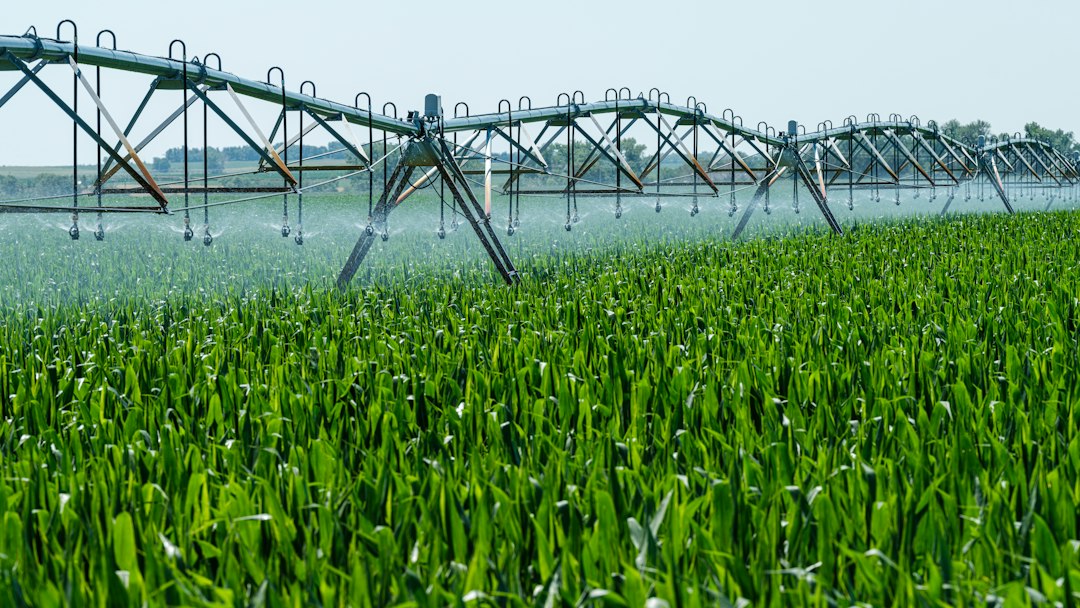
In the realm of effective and efficient land management, irrigation systems stand as a cornerstone, ensuring lush landscapes and robust crop growth. Yet, selecting and maintaining the appropriate sprinkler system equipment can be a complex labyrinth for even the most seasoned professionals. From sprinkler heads and rotors to drip irrigation, controllers, valves, backflow preventers, and an array of pipe fittings, each component plays a crucial role in the overall system's performance. This comprehensive guide aims to demystify this process, empowering readers with the knowledge to navigate the selection, installation, and maintenance of their irrigation systems, naturally emphasizing the vital role of the irrigation controller in optimizing water distribution.
- Understanding Sprinkler Heads: Types and Functionality
- Rotor Selection: Ensuring Efficient Irrigation Coverage
- Sprinkler System Components: Valves, Backflow, and Fittings
- Optimizing Irrigation Control: Installation, Maintenance, and Tips
Understanding Sprinkler Heads: Types and Functionality
Sprinkler heads are a critical component of any lawn sprinkler system or irrigation equipment setup, playing a pivotal role in effective water distribution. These devices, ranging from simple spray nozzles to advanced rotor models, are designed to efficiently deliver water to plant roots, ensuring optimal growth and health. Understanding the diverse types and their unique functionalities is key to designing and maintaining an efficient irrigation system.
The most common sprinkler head types include impact or pop-up heads, side-spray nozzles, and rotation or rotor sprinklers. Impact heads are simple yet effective, projecting a fine mist of water with minimal pressure. They are ideal for large areas with moderate water application needs. Side-spray nozzles, as the name suggests, spray water laterally, covering a specific zone evenly. This type is suitable for flower beds and smaller grassy areas. Rotors, on the other hand, provide a wide range of coverage with a rotating spray pattern, making them perfect for large open spaces like lawns. Advanced models can be programmed to operate at different zones, offering precise control over water application.
When selecting sprinkler heads, consider factors such as soil type, terrain, and plant requirements. For instance, high-pressure areas might demand more robust rotor designs capable of withstanding greater force. An irrigation controller, often the brain of the system, can be programmed to activate these heads at specific intervals, ensuring precise watering. Regular maintenance, including cleaning and inspecting sprinkler heads, is vital to keep them functioning optimally. This proactive approach ensures your lawn sprinkler system delivers water efficiently, promoting lush greenery and saving you time and resources.
Rotor Selection: Ensuring Efficient Irrigation Coverage
Selecting the right rotor for your sprinkler system is a crucial step in achieving efficient irrigation coverage, ensuring your lawn or landscape receives optimal water distribution. Rotors are designed to spray water in a specific pattern, and choosing the appropriate type depends on factors like soil type, slope, and plant density. For instance, impact rotors are ideal for areas with steep slopes as they offer a fine mist, preventing water waste. In contrast, pop-up rotors are suitable for level grounds, providing a broad, even spray to cover larger spaces effectively.
When considering irrigation equipment, it's essential to understand the varying patterns and throw distances of different rotor models. These specifications are usually provided by manufacturers and can greatly impact water usage efficiency. For example, a rotor with a 20-foot throw distance will reduce the number of heads required for a given area, minimizing water consumption without sacrificing coverage. This is particularly important in regions facing water scarcity or where irrigation controllers are programmed to meet specific water usage limits.
Additionally, modern sprinkler systems offer advanced features like adjustable nozzles and multiple spray patterns, allowing for precise control over water application. Integrating these features with the right rotor selection can lead to significant water savings without compromising on plant health. It's worth noting that regular maintenance, including checking for leaks and ensuring proper drainage, is vital to sustain the efficiency of your sprinkler system. By combining strategic rotor choice with thoughtful irrigation controller programming, homeowners and landscape architects can achieve both healthy landscapes and responsible water usage.
Sprinkler System Components: Valves, Backflow, and Fittings
Sprinkler system valves, backflow preventers, and fittings are critical components that ensure efficient and safe irrigation. These parts facilitate the control and distribution of water within a lawn sprinkler system or drip irrigation setup. Valves, for instance, allow for precise regulation of water flow, enabling technicians to activate specific zones at different times, thereby conserving water and enhancing plant health.
Backflow preventers are essential safety mechanisms designed to protect both the irrigation system and municipal water supply from contamination. They guard against the backward flow of water, ensuring that any contaminants introduced into the sprinkler system do not enter the main water source. This is particularly crucial in areas where potential hazards like pesticides or fertilizers might be used near irrigation systems.
When selecting pipe fittings, it's vital to consider factors such as material (copper, PVC, etc.), size, and compatibility with existing infrastructure. Fittings allow for the connection of pipes, facilitating complex network configurations tailored to specific landscapes. For instance, a 1-inch copper fitting might be chosen for high-pressure main lines while smaller diameter PVC fittings could be used for branch lines in a drip irrigation system.
Proper installation and regular maintenance of these components are paramount. Leaks, clogs, or malfunctioning valves can lead to water waste, system damage, and even environmental harm. An expert may recommend periodic inspections and replacement parts to keep the irrigation controller and related equipment functioning optimally. For example, an outdated backflow preventer might require replacement every 5-7 years, while fittings should be checked for signs of corrosion or damage.
Optimizing Irrigation Control: Installation, Maintenance, and Tips
Optimizing irrigation control is a critical aspect of effective lawn sprinkler system management. The irrigation controller, often referred to as the brain of the sprinkler system, plays a pivotal role in ensuring water is delivered efficiently and precisely when needed. A well-tuned controller not only conserves water but also promotes lush, healthy grass and plants.
Installation is a key factor. When setting up a new sprinkler system or replacing an old one, it's crucial to select a controller with the right capacity for your property's size and water demands. Features like weather-based programming, sensor integration, and remote control compatibility offer significant advantages. For instance, weather-smart controllers adjust watering schedules based on real-time weather data, preventing over- or under-irrigation. Once installed, proper maintenance is essential. Regular checks for leaks, clogs, and battery health are vital. Cleaning nozzles and replacing filters as needed ensures optimal spray pattern and water distribution.
Beyond routine maintenance, optimizing irrigation involves strategic adjustments. Understanding your grass's water needs at different growth stages is key. Adjusting watering durations and frequency during hot, dry periods and adjusting to longer intervals during cooler, wetter times helps prevent waste. Monitoring soil moisture levels with probes can provide valuable data to fine-tune controller settings. For example, data from soil moisture sensors can trigger watering only when needed, avoiding unnecessary irrigation. By integrating these practices, you can achieve a balanced irrigation program that supports plant health while promoting water conservation.
Frequently Asked Questions About Sprinkler system equipment guides: sprinkler heads, rotors, spray nozzles, drip irrigation, controllers, valves, backflow preventers, pipe and fittings, selection, installation and maintenance.
What are the different types of sprinkler heads? Sprinkler heads come in various types, each designed for specific applications. Common types include impact sprinkler heads, which are suitable for wide areas and create a fine mist, and pop-up sprinkler heads that rise above the ground and spray in a specific pattern. Sidewall sprinkler heads are fixed to a wall or structure, while rotator sprinkler heads rotate to cover a large area. Some advanced models feature adjustable spray patterns and nozzles for precise water distribution.
How do I select the right sprinkler head for my garden? Choosing the appropriate sprinkler head depends on several factors, including the size and layout of your garden, plant types, and water pressure. Consider the coverage area of each sprinkler head and select models suitable for your space. For larger areas, impact or rotator heads are ideal. In smaller, dense gardens, fine-mist sprinkler heads can be more effective. Always check water pressure requirements and ensure your sprinkler system can meet them.
What is the purpose of a backflow preventer in a sprinkler system? A backflow preventer is a vital safety device that stops contaminated water from flowing back into the main water supply. It protects the sprinkler system and the overall water supply by preventing any potential pollution or contamination from reverse flow. Backflow preventers are mandatory in many areas and are particularly important for systems using recycled water or those connected to fire services.
Can drip irrigation systems be installed in different types of soil? Absolutely. Drip irrigation systems are versatile and can be installed in various soil types, including sandy, clay, and loamy soils. The key is to ensure proper soil preparation, such as digging proper channels or trenches and packing the soil around the emitters to maintain water distribution consistency. Adjusting the placement and type of emitters can also help accommodate different soil conditions.
How often should I maintain my sprinkler system? Regular maintenance is crucial for optimal sprinkler system performance. Aim for a yearly inspection and maintenance schedule, including cleaning or replacing filters, checking for leaks, and ensuring all components are in good working order. Seasonal adjustments, such as winterization before freezing temperatures, are also essential to prevent damage and maintain efficiency.
What are the benefits of using a controller for my sprinkler system? A controller, also known as a timer or automation system, offers numerous advantages. It allows for precise control of watering schedules, ensuring plants receive the right amount of water at the right time. Controllers can be set to run the system at specific times, saving water by avoiding over- or under-watering. They also enable remote control and monitoring, allowing you to adjust settings from a smartphone or computer.
By delving into the intricacies of sprinkler system equipment, from sprinkler heads to backflow preventers, this comprehensive guide has equipped readers with a deep understanding of each critical component. Key takeaways include the importance of selecting the right rotor for efficient irrigation coverage, optimizing valve and controller functionality for precise watering, and ensuring proper maintenance for long-lasting performance. Understanding how these elements interact allows for effective sprinkler system design, installation, and management, ultimately enhancing landscape irrigation efficiency and sustainability. Next steps involve applying these insights to real-world projects, selecting the appropriate irrigation controller, and prioritizing regular maintenance routines to maximize system effectiveness and minimize water waste.