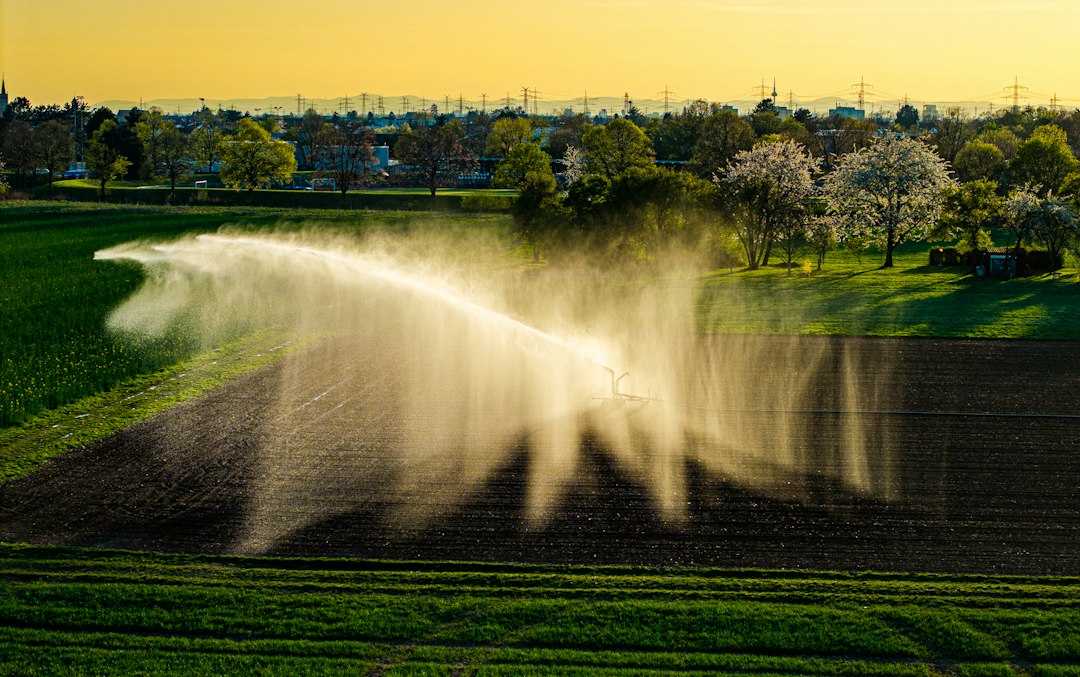
In the realm of commercial landscaping, efficient water management is paramount. A well-designed sprinkler system equips your property with the tools to sustain lush greenery and reduce water waste—a critical consideration in today's environmental consciousness. This article serves as a comprehensive guide, empowering you to navigate the intricate landscape of sprinkler system equipment. From the strategic placement of sprinkler heads to the selection of robust valves and backflow preventers, we demystify each component, ensuring optimal performance and longevity. By the end, you'll possess the knowledge to transform your outdoor space into a thriving oasis.
- Sprinkler Heads: Types and Selection
- Installation and Layout Best Practices
- Maintenance: Ensuring Optimal Performance
- Essential Components: Valves, Backflow & More
Sprinkler Heads: Types and Selection
Sprinkler heads are a crucial component of any lawn sprinkler system, playing a vital role in efficient and effective irrigation. With various types available, selecting the right sprinkler heads for your specific needs requires careful consideration. This section delves into the intricacies of sprinkler heads, guiding you through the process of choosing the ideal irrigation equipment for your lawn.
The primary types of sprinkler heads include impact, rotary, and drip emitters. Impact sprinkler heads, also known as pop-up heads, are versatile and suitable for a wide range of applications. They rise from the ground when activated, offering a high-volume, wide-range spray pattern. Rotary sprinkler heads, on the other hand, rotate to cover a specific area with a fine mist, making them ideal for larger, open spaces. Drip emitters, as the name suggests, deliver water drop by drop, making them efficient for targeted, low-volume irrigation. For instance, a study by the National Renewable Energy Laboratory found that using drip irrigation systems can reduce water usage by up to 70% compared to traditional sprinkler systems.
When selecting sprinkler heads, consider factors such as the size and topography of your lawn, soil type, and desired watering pattern. For example, dense, shaded areas may require low-volume drip emitters, while open, sunny spaces can benefit from high-volume impact sprinkler heads. It's also essential to match the sprinkler heads to your lawn sprinkler system's controller, ensuring seamless integration and optimal performance. Regular maintenance, including cleaning and inspection, will further extend the lifespan of your sprinkler heads and ensure your lawn sprinkler system operates efficiently.
Installation and Layout Best Practices
The successful installation of a lawn sprinkler system hinges on meticulous planning and execution, with each component playing a crucial role in the overall efficiency and performance. Sprinkler heads, the visible elements dispersing water, must be strategically placed to ensure optimal coverage, avoiding waste and ensuring every inch of your yard receives adequate hydration. A common mistake is dense placement, which can lead to over-saturation in some areas while leaving others dry. Aim for a balanced layout that accounts for grass density, shrubbery, and other landscape features.
Irrigation equipment like rotors and spray nozzles offer varied water distribution patterns, catering to different lawn types and layouts. Rotors, for instance, are ideal for large open spaces with even turf, while spray nozzles excel in tighter, more intricate areas. Proper selection and arrangement of these components directly impact water usage efficiency, minimizing wastage and promoting sustainable practices. For example, using drip irrigation for flower beds or raised vegetable gardens can reduce water consumption by up to 30% compared to traditional sprinkler heads.
Controllers and valves form the nervous system of your lawn sprinkler system, governing water flow and timing. A smart controller with advanced programming capabilities allows for precise control over watering schedules, enabling you to adapt routines based on seasonal changes, weather patterns, and grass growth rates. Backflow preventers are essential safety measures that safeguard your system from contamination, ensuring clean water supply at all times. When laying pipes and fittings, consider both accessibility for future maintenance and aesthetic integration with your landscape design.
Regular layout assessments and adjustments are vital throughout the year. Changes in weather patterns, growth of plants, and shifts in sun exposure can alter watering needs, necessitating reevaluation of sprinkler head placement and spray patterns. Seasonal fine-tuning ensures your lawn sprinkler system operates at peak efficiency, delivering the right amount of water to every part of your yard, promoting lush, vibrant turf year-round.
Maintenance: Ensuring Optimal Performance
Maintaining a lawn sprinkler system is paramount to ensuring optimal performance and longevity. Regular upkeep involves inspecting each component—from sprinkler heads to controllers and valves—for any signs of damage or malfunction. For instance, check for blocked nozzles, corroded pipes, or dislodged heads, which can impede water distribution and lead to uneven watering. It's also crucial to clean the sprinkler heads periodically to prevent mineral buildup, ensuring a steady spray pattern.
Irrigation equipment, like drip irrigation emitters and micro-sprinklers, require unique care. These systems often operate beneath the soil surface, making regular visual inspections challenging. Look for signs of clogging, leaks, or blocked emitters to maintain efficient water delivery directly to plant roots. Additionally, replacing worn parts such as O-rings and gaskets is essential to prevent water loss and ensure the system operates at peak efficiency.
In terms of lawn sprinkler systems overall, scheduling seasonal maintenance checks is vital. Spring preparation involves cleaning and testing all components while fall maintenance focuses on winterization, including flushing out the system to prevent freezing damage. Proactive maintenance not only extends the lifespan of your irrigation equipment but also saves costs associated with unexpected breakdowns. Regular care ensures your sprinkler heads and related components function seamlessly, providing a lush, thriving landscape.
Essential Components: Valves, Backflow & More
The heart of any lawn sprinkler system lies in its essential components, particularly valves and backflow preventers, which play a critical role in ensuring efficient and safe irrigation. Valves control the water flow, allowing you to activate specific zones or turn the system on and off. Backflow preventers, on the other hand, are vital safety mechanisms that stop contaminated water from flowing back into the main water supply.
Selecting the right irrigation equipment, such as sprinkler heads, is paramount. Different sprinkler heads are designed for various applications and landscapes. For instance, pop-up sprinkler heads are ideal for large, open areas, while side-spray or rotator heads are better suited for trees and shrubs. Understanding your lawn's unique needs and choosing accordingly optimizes water distribution and minimizes wastage. According to a study by the Environmental Protection Agency, efficient sprinkler systems can reduce water use by up to 40% compared to traditional methods.
Proper installation and regular maintenance are key to maximizing the lifespan and performance of your sprinkler system. This includes checking valves for leaks, ensuring backflow preventers are functioning correctly, and inspecting sprinkler heads for any damage or clogging. Regular maintenance not only preserves the system's efficiency but also prevents costly repairs. Remember, a well-maintained lawn sprinkler system not only keeps your lawn lush and green but also contributes to water conservation and environmental sustainability.
Frequently Asked Questions About Sprinkler system equipment guides: sprinkler heads, rotors, spray nozzles, drip irrigation, controllers, valves, backflow preventers, pipe and fittings, selection, installation and maintenance.
What are the different types of sprinkler heads? Sprinkler heads come in various types, each designed for specific applications. Pop-up sprinkler heads are the most common, rising from the ground when activated. Sidewall sprinkler heads are mounted on the side of a building or wall. Rotor sprinkler heads cover large areas and rotate to provide uniform coverage. Impact sprinkler heads use impact activation and are suitable for sports fields. Micro-sprinklers emit a fine mist and are ideal for small spaces or delicate plants.
How do I select the right sprinkler head for my yard? Choosing the right sprinkler head depends on factors like your yard's size, shape, and vegetation type. Consider the water pressure and flow rate requirements for each area. Different sprinkler heads have varying spray patterns, so map out your yard to ensure uniform coverage. Look for models with adjustable settings for fine-tuning your watering needs.
What is drip irrigation and how does it work? Drip irrigation is a precise method of delivering water directly to plant roots. It involves installing small plastic tubes or emitters beneath the soil surface, releasing water drop by drop near the plants' roots. This efficient system minimizes water waste as it delivers the exact amount needed, reducing evaporation and run-off.
What are the key components of a sprinkler controller? A sprinkler controller is the brain of your irrigation system. It typically includes a timer or programmer to control watering schedules, usually set for different days and times. Sensors and rain shut-off capabilities are common features that prevent unnecessary watering during rainfall. Some advanced controllers offer wireless connectivity, allowing remote programming and monitoring.
How do I install a backflow preventer in my sprinkler system? A backflow preventer is crucial to stop contaminated water from flowing back into your main water supply. Installation involves connecting it between the water source and the sprinkler head or valve. Follow local plumbing codes and regulations. Backflow preventers have test valves for periodic inspection and maintenance, ensuring they remain effective.
Can you provide tips for maintaining my sprinkler system? Regular maintenance is vital for optimal sprinkler system performance. Check all components for leaks or damage. Inspect and clean the filters in your controller to ensure proper water flow. During winter, drain the system to prevent freezing. Test sprinkler heads regularly to make sure they're functioning correctly and adjust spray patterns as needed based on growth changes.
By equipping yourself with knowledge on sprinkler heads, their types, selection, and compatibility with rotors, spray nozzles, controllers, valves, backflow preventers, and pipe fittings, you're now empowered to navigate the world of sprinkler system equipment with confidence. This article has served as a comprehensive guide for both beginners and professionals, offering practical insights into installation best practices, maintenance strategies, and essential component selection. Moving forward, prioritize regular maintenance to ensure optimal sprinkler performance, addressing any issues promptly. Embrace the efficiency and effectiveness that well-chosen sprinkler heads can bring to your commercial landscaping needs.