In the realm of landscape irrigation, efficient water distribution systems are paramount for sustainable and healthy vegetation management. Sprinkler systems, a cornerstone of modern landscaping, offer precise and tailored watering solutions. However, selecting the right sprinkler heads is merely the first step; proper installation, maintenance, and understanding components like rotors, spray nozzles, drip irrigation, controllers, valves, backflow preventers, and fittings are crucial for optimal system performance. This comprehensive guide delves into the intricacies of sprinkler system equipment, empowering professionals and enthusiasts alike to make informed choices, ensure seamless functionality, and maximize water efficiency.
- Understanding Sprinkler Head Types and Applications
- Selecting and Installing Sprinkler System Components
- Maintaining and Troubleshooting Your Irrigation System
- Backflow Prevention: Safeguarding Your Water Supply
Understanding Sprinkler Head Types and Applications
Sprinkler heads are a critical component of any lawn sprinkler system or irrigation equipment, playing a vital role in efficient water distribution. Understanding the diverse types and their applications is essential for designing and maintaining optimal sprinkler systems. This guide delves into the various sprinkler head options, highlighting their unique features and suitable scenarios to ensure effective and tailored irrigation solutions.
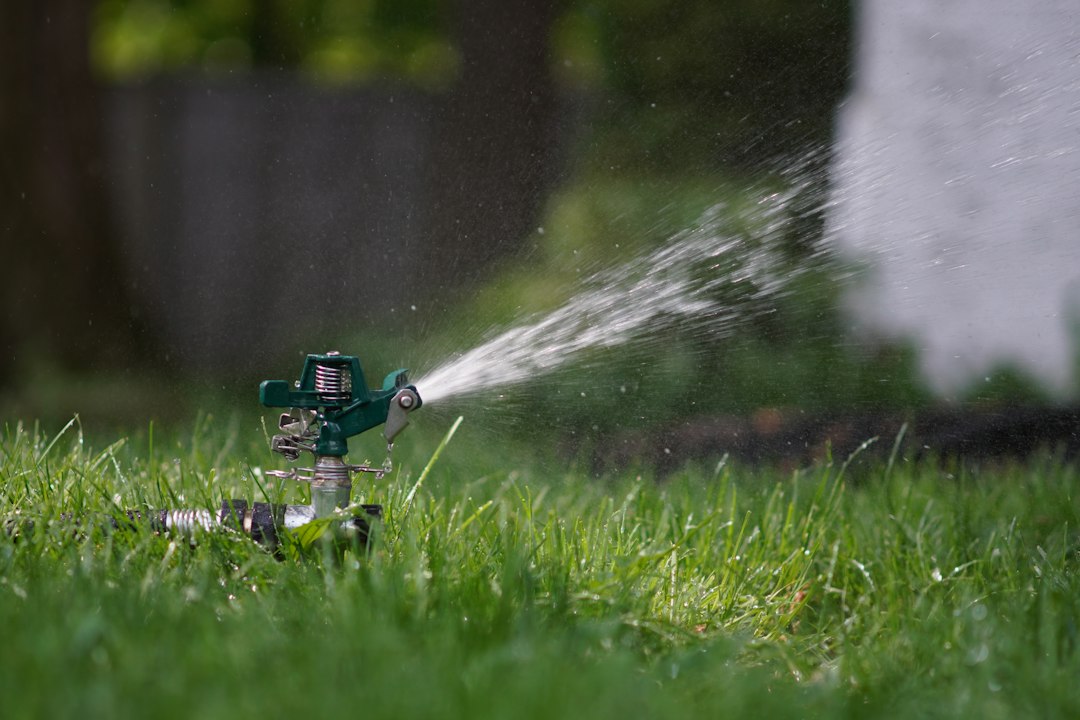
The most common types include impact sprinkler heads, which emit a fine spray pattern ideal for large areas like fields or sports grass due to their long reach and ability to cover vast spaces efficiently. On the other hand, pop-up sprinkler heads are versatile and commonly used in residential lawns as they adjust to ground conditions, ensuring proper water application without damaging vegetation. For more controlled watering, rotator sprinkler heads spin to create a circular wetting pattern, perfect for trees and shrubs, minimizing water wastage by focusing it on specific areas.
When selecting sprinkler heads, consider factors like soil type, slope, plant cover, and desired water distribution. For instance, in regions with dense vegetation, small-droplet nozzles or micro-sprinklers are recommended to prevent water runoff while ensuring efficient moisture absorption by plants. According to industry data, proper sprinkler head placement can reduce water usage by up to 30%, making it a crucial step in responsible irrigation management. Regular maintenance, including cleaning and inspection, ensures optimal performance and longevity of the sprinkler system, as well as prevents costly repairs.
Selecting and Installing Sprinkler System Components
Selecting and installing the right sprinkler system components is a crucial step in ensuring optimal lawn and landscape irrigation. Sprinkler heads, for instance, come in various types, each suited for different application needs. Impact sprinkler heads are ideal for large open areas, while rotary heads excel in providing fine mist for delicate plants. The choice depends on factors like vegetation type, area to be covered, and desired water distribution pattern. For instance, a mix of impact and rotary heads can offer both efficient coverage and tailored care for mixed landscapes.
Irrigation equipment such as controllers, valves, and backflow preventers play pivotal roles in managing water flow and ensuring system safety. Controllers regulate watering schedules and patterns, allowing for precise control over irrigation. Valves, on the other hand, govern water supply to different zones within the sprinkler system. Backflow preventers are essential safety mechanisms that guard against contaminated water from flowing back into the main water supply. When installing these components, it's vital to follow manufacturer guidelines and local building codes to maintain system integrity and efficiency.
Pipe fittings, including joints, couplings, and adapters, are the unsung heroes of sprinkler systems, enabling the connection and routing of water lines. The selection and installation of these parts require careful consideration of material, size, and compatibility with existing infrastructure. For example, plastic fittings are lightweight and cost-effective but may not withstand extreme temperatures, while metal fittings offer durability but can be more prone to corrosion. Proper installation techniques, including the use of suitable fasteners and sealing compounds, are crucial to prevent leaks and maintain system pressure.
Regular maintenance is the key to keeping your sprinkler system in top shape. This includes inspecting sprinkler heads for clogs or damage, checking valves for proper operation, and ensuring controllers are synchronized with seasonal changes. Drip irrigation systems, an energy-efficient alternative to traditional sprinkler systems, require specific maintenance, such as regular checking of emitters for blockages and monitoring moisture levels to avoid over- or under-watering. By adhering to these practices, you'll not only enhance the efficiency of your lawn sprinkler system but also contribute to sustainable water usage.
Maintaining and Troubleshooting Your Irrigation System
Regular maintenance is vital to ensure your lawn sprinkler system functions optimally and efficiently. A well-maintained irrigation system not only conserves water but also prolongs the lifespan of your equipment. Start by inspecting sprinkler heads for any signs of damage, corrosion, or blockages. Cleanse nozzles using a soft brush or compressed air to prevent reduced water flow and uneven coverage. Check for proper alignment, ensuring they are spraying in the intended areas without overspray onto sidewalks or buildings. Replace any faulty heads immediately to maintain system efficiency.
When troubleshooting, consider the entire irrigation equipment ecosystem. Controllers are the brain of your sprinkler system; check for correct settings, including timing, zone control, and rain shutoff features. Verify that valves are fully open and functioning correctly, allowing adequate water flow to each zone. Backflow preventers, crucial for safety and legal compliance, must be inspected for any signs of damage or leaks. Regularly test these devices to ensure they operate as intended, preventing contaminated water from flowing back into your main supply.
Pipe fittings and connections should also be examined for leaks or corrosion. Tighten loose connections and replace worn-out parts. In areas prone to freezing temperatures, consider insulating exposed pipes to prevent damage during winter months. For drip irrigation systems, check emitters for blockages or clogs that can hinder water flow to plants. Ensure proper placement of these micro-sprinklers for efficient moisture delivery directly to plant roots. Regular maintenance and prompt troubleshooting will safeguard your lawn sprinkler system's health and ensure optimal performance throughout the growing season.
Backflow Prevention: Safeguarding Your Water Supply
Backflow prevention is a critical component of any sprinkler system, ensuring the integrity and safety of your water supply. It involves controlling the flow direction within the irrigation system to prevent contaminants from entering the potable water source. This is particularly important in lawn sprinkler systems where various components interact to deliver water effectively while maintaining its quality.
The primary method for backflow prevention is through the use of specialized devices such as backflow preventers or check valves. These mechanisms are designed to allow water to flow in one direction, typically from a city water supply line into your sprinkler system, but prevent it from flowing backward. This safeguard is crucial as it blocks any potential contaminants introduced into the irrigation system from reaching and contaminating the main water supply. For instance, agricultural or industrial activities nearby can introduce harmful substances into the water, making backflow prevention an essential measure to protect both your lawn and the broader community's water source.
Selecting the right backflow preventer for your sprinkler heads and irrigation equipment involves understanding the pressure differentials within your system and the specific contaminants present in your area. Different types of backflow preventers, like reduced pressure backflow preventers (RPBP) and pressure vacuum breakers (PVB), offer varying levels of protection depending on these factors. Regular testing and maintenance are also vital to ensure these devices remain effective. Data from industry sources suggests that proper backflow prevention can significantly reduce the risk of waterborne diseases and contamination, underscoring its importance in modern lawn sprinkler system installations.
Ultimately, ensuring your sprinkler heads and associated irrigation equipment are backed by robust backflow prevention measures not only complies with local regulations but also safeguards your investment in maintaining a lush, healthy lawn. Regular inspection and timely maintenance of these systems can help prevent costly repairs and ensure the longevity of your watering solution.
Frequently Asked Questions About Sprinkler system equipment guides: sprinkler heads, rotors, spray nozzles, drip irrigation, controllers, valves, backflow preventers, pipe and fittings, selection, installation and maintenance.
What are the different types of sprinkler heads used in irrigation? Sprinkler heads come in various types, each designed for specific applications. Pop-up sprinkler heads are the most common, rising above the ground when activated. Side-spray sprinkler heads distribute water laterally, covering a wide area. Rotating sprinkler heads rotate on a vertical axis, providing full coverage. Micro-sprinklers emit a fine mist, ideal for delicate plants, while drip emitters slowly release water directly onto the soil.
How do I select the right sprinkler head for my garden? Choosing the right sprinkler head depends on your garden's layout, plant types, and water coverage needs. Consider the size and shape of your garden, the types of plants you have, and how much water each area requires. Pop-up sprinkler heads are versatile, while side-spray heads work well for larger, evenly shaped spaces. For smaller, dense areas, micro-sprinklers offer precise watering.
What is the purpose of a backflow preventer in sprinkler systems? A backflow preventer is a vital safety device that stops contaminated water from flowing back into the main water supply. It protects the sprinkler system and ensures clean water is delivered. Backflow preventers are crucial in preventing the reversal of water flow, especially in areas where the water source might be prone to contamination.
Can drip irrigation systems be installed under concrete? Yes, drip irrigation systems can be installed under concrete, but it requires careful planning and professional installation. The system's components, such as emitters and tubing, must be properly secured and sealed to prevent damage from concrete placement. This method is often used for watering trees, shrubs, and other plants located near concrete structures.
What factors should I consider when installing a sprinkler controller? When installing a sprinkler controller, consider your lawn's size, the number of zones required, and your watering schedule preferences. Factors like climate, grass type, and soil conditions also influence controller selection. Programmable controllers offer customizable settings, while smart controllers can be controlled remotely via a mobile app. Ensure proper wiring and grounding for safety.
How often should I maintain my sprinkler system? Regular maintenance is essential to keep your sprinkler system running efficiently. Aim for seasonal maintenance, including spring startup, fall shutdown, and periodic checks throughout the year. This involves inspecting and cleaning sprinkler heads, checking valve operation, testing water pressure, and replacing any worn-out components. Regular maintenance ensures optimal water distribution and system longevity.
By delving into the intricacies of sprinkler system equipment, from sprinkler heads to backflow preventers, this comprehensive guide has empowered readers with the knowledge to navigate the selection, installation, and maintenance of their irrigation systems. Understanding the diverse applications of sprinkler heads, whether through rotator or spray nozzle designs, ensures optimal watering for various landscapes. The article's practical advice on installation and troubleshooting equips homeowners and professionals alike to maintain efficient and reliable sprinkler systems. Additionally, the spotlight on backflow prevention underscores the importance of safeguarding water supplies, demonstrating the comprehensive nature of this guide. Armed with these insights, readers can confidently tackle their irrigation needs, ensuring vibrant and healthy landscapes.