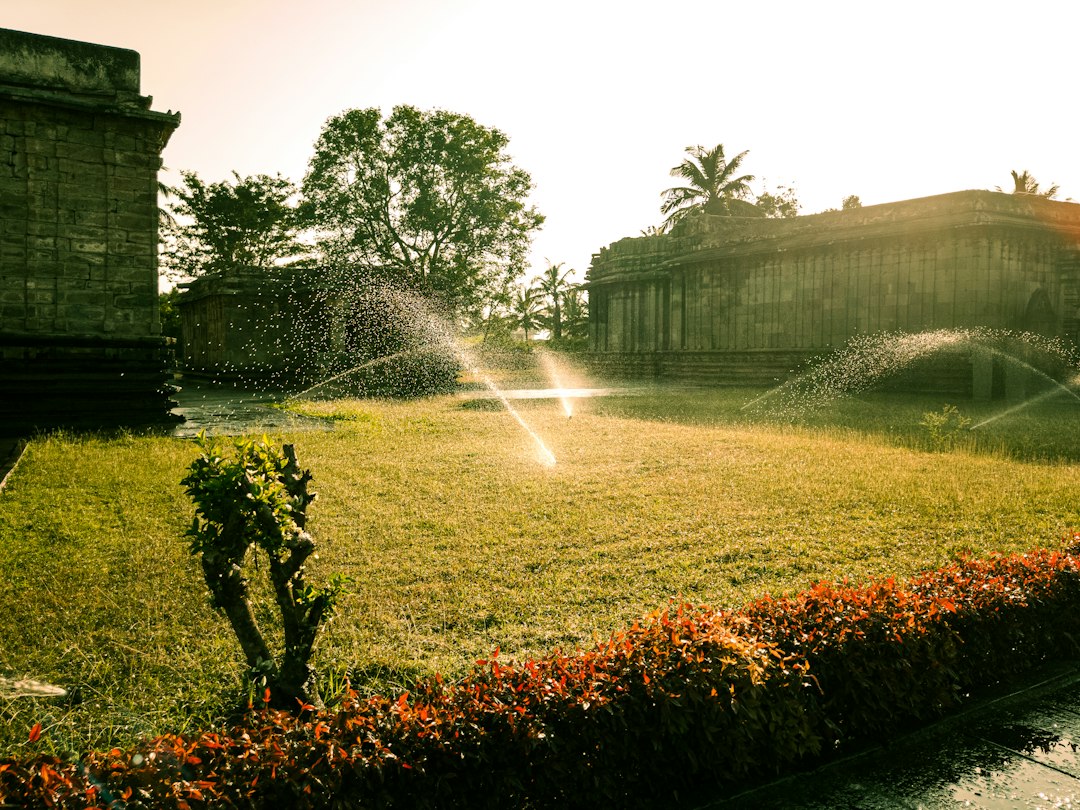
In the realm of landscape and garden management, efficient watering systems are not just a luxury, but a necessity. As water conservation becomes increasingly paramount, understanding and implementing effective sprinkler system equipment is more crucial than ever. This comprehensive guide delves into the intricate components that constitute a robust sprinkler system, from sprinkler heads and rotors to controllers, valves, and backflow preventers. We explore the benefits of drip irrigation kits, offering a natural and efficient solution for precise watering. By the end, readers will possess the knowledge to select, install, and maintain these systems, ensuring optimal performance and water conservation.
- Understanding Sprinkler System Components: A Comprehensive Overview
- Choosing the Right Sprinkler Heads for Your Irrigation Needs
- Installation and Setup: Building Your Drip Irrigation Kit Effectively
- Maintenance and Troubleshooting: Keeping Your Sprinkler System Optimized
Understanding Sprinkler System Components: A Comprehensive Overview
Sprinkler systems are a cornerstone of modern lawn sprinkler system irrigation equipment, designed to efficiently water landscapes and gardens while conserving water. Understanding the various components that make up these systems is crucial for effective installation, maintenance, and optimization. This overview delves into essential elements like sprinkler heads, rotors, spray nozzles, and drip irrigation kits, each playing a critical role in delivering water precisely where needed.
Sprinkler heads, for instance, are the visible components that distribute water, with different types suited for various applications. Rotors, on the other hand, are underground devices that rotate to cover large areas evenly. Spray nozzles, ranging from fixed to adjustable, control water distribution patterns and coverage areas. In scenarios requiring more precise watering, drip irrigation kits emerge as a smart solution. These kits deliver water drop by drop directly to plant roots, minimizing waste and maximizing efficiency, making them ideal for small gardens or areas with specific water needs.
Irrigation equipment such as controllers, valves, and backflow preventers are vital for managing and regulating water flow. Controllers schedule watering times, ensuring plants receive adequate moisture without overwatering. Valves control the on/off flow of water throughout the system while backflow preventers safeguard against contaminated water flowing back into the main supply. Additionally, pipe fittings and drip line tubing ensure proper water distribution and efficient water transport, forming integral parts of any comprehensive lawn sprinkler system.
Regular maintenance is paramount to keep these systems operating optimally. Inspection for leaks, clogged nozzles, or damaged components should be scheduled at least biannually. Upgrading outdated equipment with energy-efficient models not only reduces water bills but also contributes to environmental sustainability. By staying informed about the latest in irrigation equipment, from controllers that offer remote monitoring to innovative drip irrigation kits designed for smart homes, homeowners can transform their watering practices into a science, fostering lush landscapes while preserving precious resources.
Choosing the Right Sprinkler Heads for Your Irrigation Needs
Selecting the appropriate sprinkler heads is a pivotal step in designing an effective lawn sprinkler system or drip irrigation kit. The right choice ensures optimal water distribution, minimizing wastage while catering to your specific irrigation needs. For instance, spray nozzles are ideal for large, open areas where even water application is crucial, while rotator heads excel in targeting specific zones within a larger space. Understanding the differences between these types is key; rotators use a rotating stream to cover a sector of the area, offering precise control over water placement, whereas spray nozzles emit a fine mist, covering a broader region but requiring careful placement to avoid overspray.
When choosing sprinkler heads for drip irrigation, consider factors such as soil type, slope, and plant density. In areas with heavy clay soils or steep slopes, the force of water can be challenging to manage, making adjustable spray patterns like rotators a superior option. Conversely, in level yards with dense planting, fine misting nozzles can ensure plants receive adequate moisture without overwhelming nearby walkways or landscaping. Moreover, modern sprinkler heads offer energy-efficient models that reduce operational costs and environmental impact, particularly when integrated into smart irrigation systems.
A comprehensive drip irrigation kit should include a mix of different sprinkler heads to cater to the diverse needs across your landscape. While initial setup may seem complex, proper selection and placement will pay dividends in terms of water conservation, plant health, and long-term system efficiency. Regular maintenance, including periodic cleaning and inspection, is also vital to keep your sprinkler system operating at peak performance, ensuring your lawn or garden receives the optimal hydration it deserves.
Installation and Setup: Building Your Drip Irrigation Kit Effectively
Effective installation of a drip irrigation kit is key to ensuring optimal water distribution for your lawn or garden, maximizing efficiency, and minimizing waste. Start by assessing your space and identifying areas requiring the most attention. Each zone in your lawn sprinkler system should have a dedicated drip line with emitters placed at appropriate intervals based on soil type and plant needs. For instance, dense vegetation may need more frequent watering than open grass areas.
When setting up the kit, pay close attention to slope and drainage. Properly install grade-adjustable emitters to ensure water reaches the root zone evenly. Avoid placing them too close to existing trees or shrubs, as this can lead to overwatering and root rot. A good rule of thumb is to position emitters so water drips slowly and gently, allowing for thorough absorption into the soil. This typically means placing them 6-12 inches apart in rows, depending on the type of plants and local weather conditions.
Regular maintenance after installation is crucial. Inspect your drip irrigation equipment regularly for leaks, blockages, or damage. Clean emitters with a fine mesh filter to prevent clogging from debris. Check valves and backflow preventers to ensure proper operation and protection against contaminated water sources. By prioritizing these steps, you'll create an efficient lawn sprinkler system that supports healthy plant growth while conserving water resources.
Maintenance and Troubleshooting: Keeping Your Sprinkler System Optimized
Maintaining a sprinkler system is crucial to ensure optimal irrigation and longevity of your irrigation equipment. Regular checks and proactive troubleshooting are key to preventing costly repairs and system failures. Here’s a guide to keeping your sprinkler system, including drip irrigation kits, running smoothly.
Start by inspecting each component for signs of damage, corrosion, or leaks. This includes checking sprinkler heads, rotors, spray nozzles, valves, and pipes. Even small cracks or blockages can lead to inefficient water distribution and uneven lawn hydration. Regular cleaning of nozzles and filters, for example, can significantly enhance water flow and prevent sprinkler head clogs. A simple solution is to use a specialized cleaning tool or a mix of vinegar and water to clear any buildup.
Controllers and valves require specific attention. Test each valve’s operation, ensuring they open and close fully. Check for proper pressure settings and adjust as needed. Many modern controllers offer automated scheduling and weather-based adjustments, which can streamline maintenance. However, these digital components are sensitive, so keep them dry and secured, especially in colder climates. Regularly check backflow preventers for any signs of damage or corrosion, as these devices are vital to maintaining water quality and preventing contamination.
Implement a proactive maintenance schedule. This includes seasonal inspections and adjustments, especially in transition periods like spring and autumn. For instance, during the hotter summer months, ensure your drip irrigation kit is functioning correctly to meet your lawn’s increased water needs. Regular maintenance not only enhances your sprinkler system’s efficiency but also contributes to a lush, healthy lawn. Remember, proper irrigation equipment care and timely troubleshooting can save you from unexpected system failures and ensure your lawn stays vibrant.
Frequently Asked Questions About Sprinkler system equipment guides: sprinkler heads, rotors, spray nozzles, drip irrigation, controllers, valves, backflow preventers, pipe and fittings, selection, installation and maintenance.
What are the different types of sprinkler heads? Sprinkler heads come in various types, each designed for specific applications. Pop-up or impact sprinkler heads are common and activate when water flows through them. Rotor sprinkler heads rotate and cover a wide area, ideal for large spaces. Spray nozzles provide fine mist coverage, effective for controlling fires. Drip irrigation emitters slowly release water directly to plant roots, perfect for landscaping.
How do I select the right sprinkler controller? Choosing a controller depends on your property's size and needs. Consider factors like climate, grass types, and scheduling requirements. Multi-zone controllers allow separate control of different areas, while smart controllers offer remote monitoring and adjustments via apps. Ensure the controller is compatible with your sprinkler system for seamless integration.
What is the purpose of a backflow preventer? A backflow preventer (BFP) is crucial to stop contaminated water from flowing back into your main water supply. It protects the purity of your drinking water by blocking any reversal of water flow due to pressure changes. BFP's are mandatory in many areas and ensure that any contaminants introduced into the sprinkler system do not enter the main water lines.
Can I install my sprinkler system myself? While DIY installation is possible for simple systems, complex installations require professional expertise. Sprinkler systems involve intricate piping, valve placement, and head positioning. Professionals have the tools and knowledge to ensure proper installation, water distribution, and efficiency. They can also help with maintenance and repairs for optimal system performance.
How often should I maintain my sprinkler system? Regular maintenance is vital to keep your sprinkler system functioning efficiently. Annual inspections by professionals are recommended to check for leaks, blockages, and corroded parts. Seasonal adjustments, especially before and after winter, ensure the system is prepared for changing weather conditions. Regular cleaning of nozzles and spray tips prevents mineral buildup, maintaining water distribution uniformity.
By mastering the selection, installation, and maintenance of sprinkler system equipment, from sprinkler heads and drip irrigation kits to controllers and backflow preventers, homeowners and landscape professionals alike can ensure optimal watering efficiency and plant health. This comprehensive guide has equipped readers with the knowledge to choose the right components for their specific needs, set up a functional drip irrigation kit, and maintain their systems for maximum longevity. Armed with these insights, readers are now empowered to create lush, sustainable landscapes, ensuring their sprinkler systems function at peak performance.