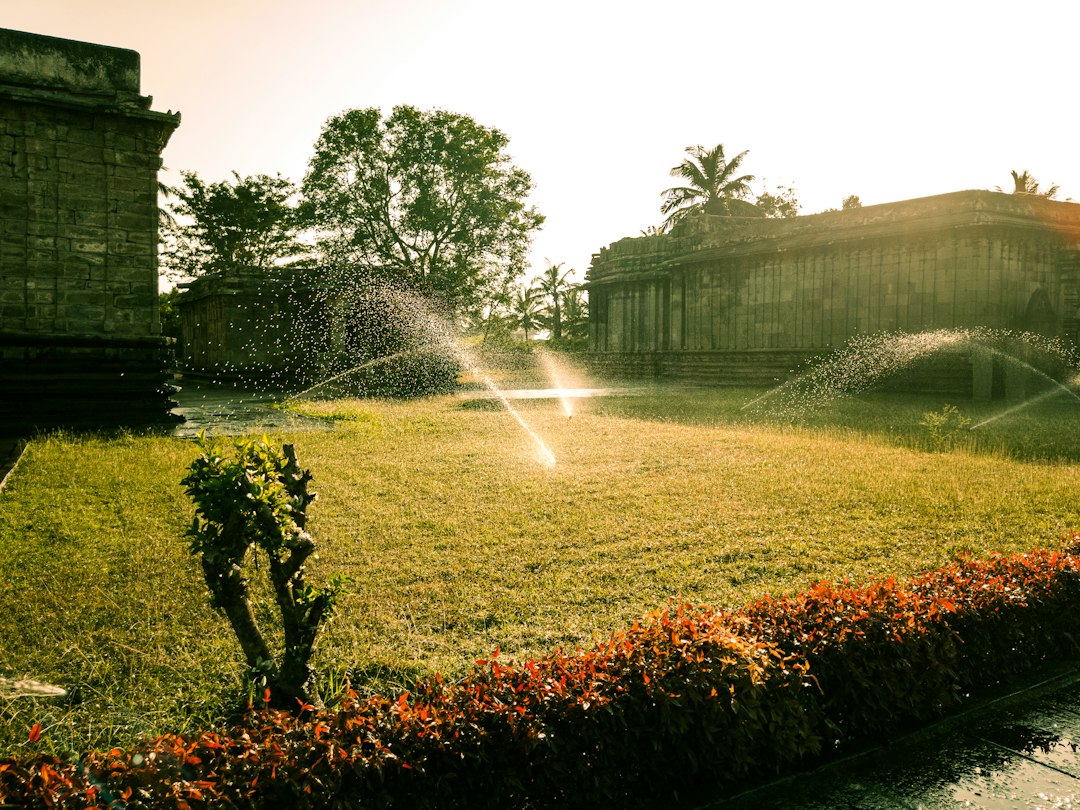
Irrigation equipment is a cornerstone of modern agriculture and landscape management, enabling efficient water distribution and plant health. However, the challenge lies in balancing water usage, ensuring precise control, and maintaining system integrity. Sprinkler valves, a key component, play a pivotal role in this equilibrium. This article delves into the intricacies of sprinkler valves, exploring their diverse types, applications, and the latest innovations that naturally enhance irrigation efficiency, reliability, and sustainability. By the end, readers will grasp the critical role these valves play in optimizing water use and fostering thriving landscapes.
- Understanding Irrigation Systems: Types and Components
- Sprinkler Valves: Selection, Installation, and Maintenance
- Efficient Water Distribution: Design Considerations for Optimal Irrigation
- Advanced Technology in Irrigation: Smart Controllers and Sensors
Understanding Irrigation Systems: Types and Components
Irrigation systems are a complex yet vital component of modern landscaping and agricultural practices, designed to efficiently deliver water where it's needed most—to the plants and fields that sustain our communities. Understanding the diverse landscape of irrigation equipment is crucial for anyone involved in the upkeep of lawns, gardens, or large-scale agricultural operations. Among the many components that make up these systems, sprinkler valves play a pivotal role, regulating the flow of water and ensuring optimal plant health.
The heart of any lawn sprinkler system lies in its control mechanisms, which include various types of sprinkler valves. These valves are responsible for managing the distribution of water throughout the irrigation network. From simple manual controls to sophisticated automated systems, these devices allow users to precisely adjust watering schedules, flow rates, and even zone-specific applications. For instance, a commercial sports field might utilize a centralized control system with multiple zones, each equipped with its own sprinkler valves, enabling tailored watering for different grass types and high-use areas. This level of customization not only conserves water but also ensures the longevity of the turf.
Sprinkler valve technology has advanced significantly over time, incorporating smart features that enhance efficiency and user experience. Modern systems can be programmed to run on specific schedules, activate based on soil moisture levels, or even integrate with weather data to avoid unnecessary watering. These advancements are particularly beneficial in regions facing water scarcity or where sustainable land management is a priority. For homeowners, implementing smart sprinkler valves can result in substantial water savings—a significant contribution to both cost reduction and environmental preservation.
Sprinkler Valves: Selection, Installation, and Maintenance
Sprinkler valves are a critical component of any lawn sprinkler system, ensuring precise control over water distribution. Selection of these components involves considering factors like system size, climate, and specific irrigation needs. For instance, zone valves are commonly used in large commercial settings to manage distinct areas efficiently, while pressure-reducing valves are essential in urban environments with varying water pressure.
Installation requires careful planning and expertise. Improper installation can lead to inefficient watering, leaks, and even damage to the sprinkler system. It's recommended to consult professionals who can ensure proper alignment, adequate clearance for water spray patterns, and secure connections. For example, a 1/2-inch valve should be connected to lines carrying at least 5 gallons per minute (GPM) to prevent flow restrictions. Regular maintenance is equally vital. Storing sprinkler valves in a dry place helps prevent corrosion. Additionally, annual inspections, including checking for leaks and ensuring all components are functioning optimally, can extend the lifespan of your irrigation equipment.
Proper selection and routine care ensure sprinkler valves function reliably, contributing to the overall efficiency of lawn sprinkler systems. Data from industry studies indicates that well-maintained systems can reduce water usage by up to 30%, making them not only essential for effective irrigation but also environmentally friendly. By prioritizing these aspects, homeowners and commercial property managers alike can enjoy lush landscapes while conserving water resources.
Efficient Water Distribution: Design Considerations for Optimal Irrigation
Efficient water distribution is a cornerstone of successful irrigation management, ensuring every drop counts while fostering lush, healthy landscapes. The design of an irrigation system, including the strategic placement of sprinkler valves, plays a pivotal role in achieving this balance. These valves serve as the control center, facilitating precise delivery of water to specific areas, minimizing waste, and maximizing plant health.
When designing for optimal irrigation, consider the unique characteristics of your site. Factors such as soil type, slope, vegetation density, and climate heavily influence water requirements. For example, sandy soils require more frequent but lighter applications of water due to their rapid drainage, while clay-rich soils may necessitate deeper soaks to penetrate compacted profiles. Integrating smart control systems with sprinkler valves allows for real-time adjustments based on weather data and soil moisture readings, further enhancing efficiency.
Sprinkler valve design itself offers numerous options catering to diverse needs. Pop-up valves remain popular for their simplicity and cost-effectiveness, while buried underground, drip emitters provide targeted watering close to plant roots, minimizing evaporation losses. Advanced technologies like smart controllers equipped with weather stations and soil moisture sensors enable automated adjustments to irrigation schedules, promoting water conservation without compromising plant health. According to industry studies, implementing efficient irrigation equipment, including optimized sprinkler valve systems, can lead to significant water savings, often exceeding 30% compared to traditional methods.
Ultimately, the key lies in a holistic approach that considers both system design and ongoing management. Regularly evaluating water usage patterns, calibrating irrigation schedules based on plant needs, and staying informed about advancements in lawn sprinkler systems will ensure your irrigation equipment works harmoniously with nature, supporting lush landscapes while preserving precious resources for future generations.
Advanced Technology in Irrigation: Smart Controllers and Sensors
Advanced technology in irrigation, particularly smart controllers and sensors, is transforming how we maintain lush, healthy lawns and landscapes. These innovative devices offer precise control over watering schedules, allowing for significant water savings without compromising plant health. Smart controllers utilize weather data and soil moisture sensors to adjust sprinkler valves naturally, activating them only when and where needed.
For example, a smart irrigation system can learn your lawn's specific water requirements based on factors like sun exposure, shading, and soil type. During periods of rainfall or high humidity, these systems can automatically reduce watering times or even shut off sprinklers entirely to prevent over-saturation. This proactive approach not only conserves water but also helps protect against common irrigation issues like root rot and fungal diseases.
In addition to smart controllers, advanced sensors play a crucial role in efficient irrigation management. These devices measure soil moisture levels at various depths, ensuring that each area of your lawn or field receives the optimal amount of water. This targeted approach eliminates waste from overwatering dry spots or under-saturating wetter areas. Studies show that implementing smart sprinkler valves and sensors can reduce water usage by up to 40% while maintaining or even improving plant vitality in lawn sprinkler systems.
When integrating advanced irrigation technology, consider factors like climate zone, landscaping, and budget. Professional installers can help design a tailored system that maximizes efficiency and longevity. Regular maintenance, including sensor calibration and controller updates, is essential to ensure ongoing optimal performance from your irrigation equipment. Embrace these innovations to create sustainable, vibrant landscapes that thrive with minimal water waste.
Frequently Asked Questions About irrigation equipment
What is the purpose of irrigation equipment? Irrigation equipment is designed to efficiently distribute water to agricultural land, gardens, and other outdoor spaces, ensuring optimal plant growth and health. It includes a variety of tools such as sprinklers, drip systems, and water pumps, all engineered to provide the right amount of water at the right time, promoting sustainable and prosperous farming practices.
How do I choose the right irrigation system for my property? Selecting the ideal irrigation system depends on several factors, including the size and layout of your property, the types of plants you're cultivating, and your water source. Start by assessing your needs, considering climate and soil conditions. Consult with professionals or refer to detailed guides to compare different systems—drip irrigation, sprinkler systems, or micro-sprinklers—and choose one that aligns with your budget and specific requirements.
Are there energy-efficient irrigation options available? Absolutely. Energy-efficient irrigation systems are available, incorporating technologies like smart controllers, rain sensors, and water-efficient sprinklers. These innovations help reduce water and energy consumption by adjusting watering schedules based on real-time weather data and soil moisture levels, ensuring plants receive water only when needed.
Can irrigation equipment be automated? Yes, many modern irrigation systems offer automation capabilities. Automated irrigation systems can be programmed to deliver water at specific times, ensuring a consistent and optimized watering schedule. These systems often incorporate smart technology, allowing remote control and monitoring via mobile devices, making them convenient and efficient for homeowners and commercial property managers.
How do I maintain irrigation equipment to ensure longevity? Regular maintenance is crucial for prolonging the life of irrigation equipment. Check and clean filters regularly to prevent clogs. Inspect hoses, nozzles, and pipes for any damage or leaks. Schedule professional inspections and servicing to ensure all components are functioning optimally. Timely maintenance not only preserves equipment but also enhances water efficiency and overall system performance.
What are the environmental benefits of efficient irrigation practices? Efficient irrigation practices significantly reduce water wastage, conserve energy, and minimize environmental impact. By delivering the right amount of water at the right time, these practices promote healthier plants, reduce soil erosion, and lower greenhouse gas emissions associated with water pumping and distribution. Efficient irrigation is an essential component of sustainable land management.
By exploring irrigation equipment across various sectors, this article has illuminated key strategies for efficient water management. Understanding different irrigation system types and their components, as well as the crucial role of sprinkler valves in selection, installation, and maintenance, is fundamental. Efficient water distribution through thoughtful design enhances overall system performance. Embracing advanced technology, such as smart controllers and sensors, further optimizes watering patterns and reduces waste. Armed with these insights, readers can make informed decisions to enhance their irrigation systems, ensuring sustainable practices for lush landscapes while respecting precious water resources.