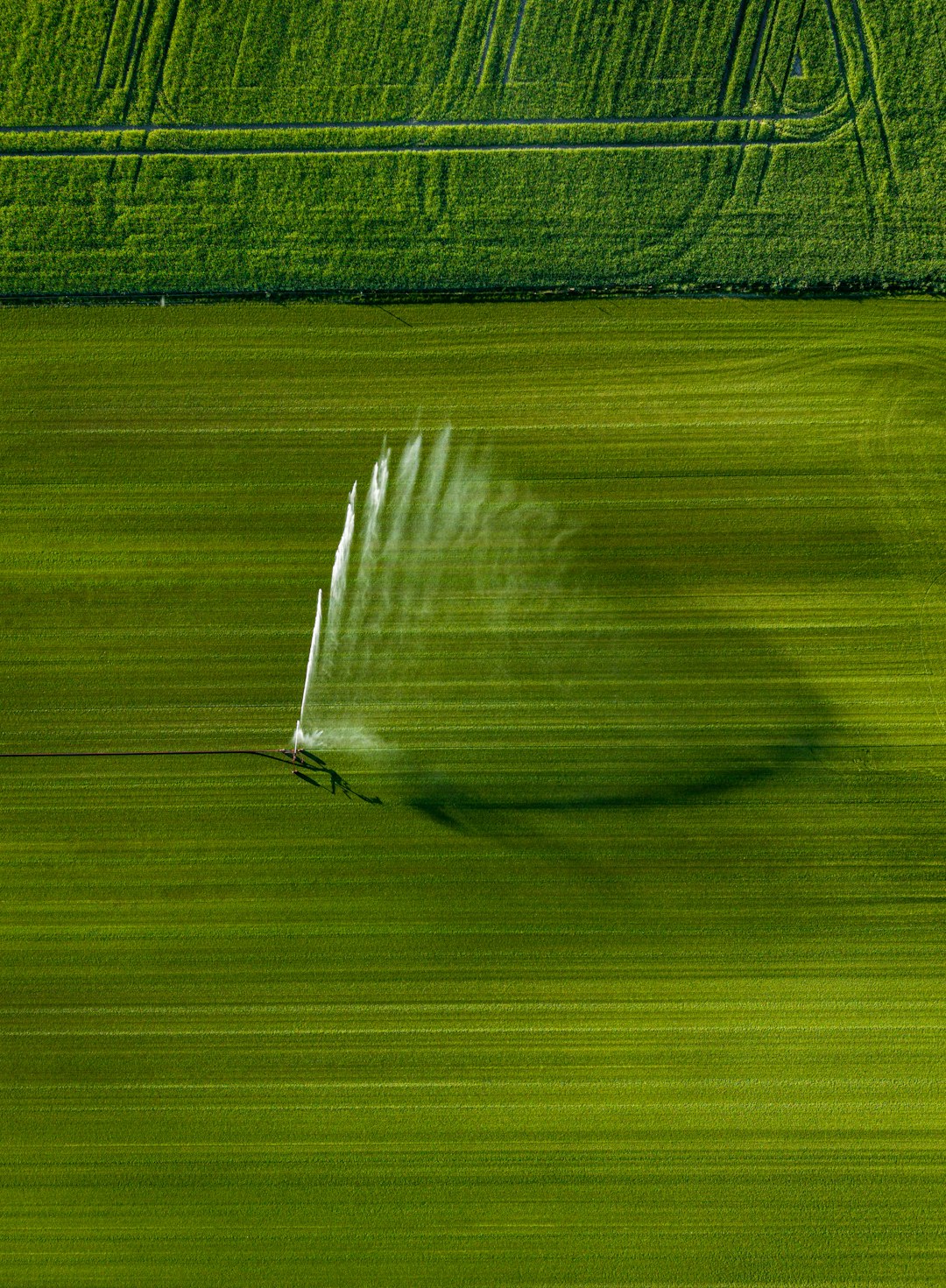
Irrigation equipment is a cornerstone of modern agriculture, enabling efficient water distribution tailored to diverse crop needs. However, managing these systems can be complex, with challenges arising from variable weather conditions, water scarcity, and the need for precise control to optimize plant growth. Sprinkler valves play a pivotal role here, serving as the intelligent heart of the irrigation system. This article delves into the intricate world of sprinkler valves, exploring their types, functionality, and how they naturally facilitate precise, efficient, and sustainable water management, ultimately enhancing agricultural productivity and resilience.
- Understanding Irrigation Systems: Types and Basic Components
- Sprinkler Valves 101: Function and Selection Considerations
- Efficient Water Distribution: Design and Installation Practices
- Advanced Control Techniques for Optimized Irrigation Management
Understanding Irrigation Systems: Types and Basic Components
Irrigation systems are critical components of modern farming and landscaping, ensuring efficient water distribution for optimal plant growth. Understanding these systems involves familiarizing oneself with various types and their basic components. Among the most common is the sprinkler system, a lawn sprinkler system being a quintessential example. These mechanisms deliver water to plants' roots, mimicking natural rainfall patterns.
There are primarily two broad categories: surface irrigation and drip irrigation. Surface irrigation involves applying water directly onto the land's surface, typically using sprinklers or furrow irrigators. This method is efficient for areas with gentle slopes and suitable soil types. On the other hand, drip irrigation employs a network of pipes with tiny emitters that release water directly into the soil near plant roots. It's more precise, conserving water by minimizing evaporation and runoff, making it ideal for regions with limited water resources or delicate plants.
A crucial component within these systems are sprinkler valves. These control the flow of water to specific sections of the irrigation system. Sprinkler valves naturally play a pivotal role in enabling targeted watering, preventing water wastage, and ensuring every plant receives adequate hydration. Modern valves often incorporate advanced features like pressure regulation, flow control, and automated programming for precise management. By integrating such technology into lawn sprinkler systems or broader irrigation equipment, users can achieve significant water savings while maintaining lush landscapes.
Sprinkler Valves 101: Function and Selection Considerations
Sprinkler valves serve as the control center for any irrigation equipment system, directing water flow to ensure efficient and effective watering. Understanding their function and selecting the right ones is paramount in optimizing your lawn sprinkler system's performance and longevity. These valves regulate pressure, manage flow rates, and allow precise control over individual zones, preventing water waste and ensuring every square inch of your landscape receives adequate hydration.
The primary types of sprinkler valves include solenoid valves, check valves, and pressure-regulating valves. Solenoid valves, commonly found in residential systems, are electronically operated and provide on/off control. Check valves prevent water from flowing backward, maintaining pressure and ensuring proper system function. Pressure-regulating valves, crucial for commercial applications, maintain consistent pressure throughout the irrigation equipment system, preventing damage from spikes or dips. For instance, a study by the National Spa and Pool Association found that proper valve placement can reduce water usage by up to 30% compared to systems without adequate control mechanisms.
Selection considerations go beyond basic functionality. Factors like flow rate, pressure compatibility, and environmental exposure are critical. High-flow rates are ideal for large areas but necessitate larger valves, while low-flow applications may require smaller, more precise controls. Valve materials must withstand environmental conditions; corrosion-resistant options are suitable for humid or salty environments. Regular maintenance, including periodic cleaning and lubrication, ensures valves operate optimally. By prioritizing these aspects, homeowners and professionals alike can ensure their sprinkler systems deliver optimal performance, contributing to lush, healthy landscapes while conserving water resources.
Efficient Water Distribution: Design and Installation Practices
Efficient water distribution forms the backbone of any successful irrigation system, ensuring optimal utilization of this precious resource while maintaining lush, healthy landscapes. When designing and installing sprinkler valves, professionals must consider factors like soil type, plant diversity, and climate to tailor a system that minimizes waste and maximizes coverage. Sprinkler valves, serving as the control center, play a pivotal role in this process. They regulate water flow, enabling precise delivery to targeted areas, preventing over-saturation, and minimizing leakage—all crucial aspects for sustainable irrigation practices.
For instance, utilizing smart sprinkler valve technology allows for real-time monitoring and adjustment based on weather data and soil moisture levels. This ensures plants receive the exact amount of water needed, reducing both waste and potential root rot. Furthermore, strategically placing valves throughout a lawn sprinkler system can improve coverage uniformity, eliminating dry spots and ensuring every plant receives adequate hydration.
Best practices in design and installation involve incorporating zone control, where different areas of a landscape are watered separately based on their specific needs. This approach allows for tailored water applications, optimizing efficiency without sacrificing plant health. Additionally, selecting high-quality irrigation equipment, including robust valves with adjustable settings, can significantly enhance long-term performance and minimize maintenance requirements. By embracing these practices, homeowners and professionals alike can cultivate vibrant landscapes while fostering responsible water stewardship.
Advanced Control Techniques for Optimized Irrigation Management
Advanced control techniques are revolutionizing irrigation management, allowing for more efficient use of water and improved plant health. These sophisticated systems, often incorporating smart technology and data analytics, offer precise control over sprinkler valves, enabling optimal watering schedules tailored to specific microclimates and plant needs. For instance, modern lawn sprinkler systems can now detect soil moisture levels, adjusting watering rates accordingly and minimizing water waste.
One prominent method involves the implementation of smart sprinkler valves that communicate with centralized control systems. These valves can be programmed to operate based on time-of-day, weather data, or even plant type, ensuring each area receives the exact amount of water required. This technology is especially beneficial in large landscapes where uniform coverage was traditionally challenging. For example, a golf course can use smart irrigation equipment to vary watering intensities across fairways, greens, and roughs, leading to significant water savings without compromising grass health.
Moreover, the integration of weather data into irrigation scheduling has become a game-changer. Many advanced control systems utilize real-time weather forecasts to adjust watering schedules proactively. This proactive approach ensures that landscapes receive adequate water during dry periods while minimizing overwatering when precipitation is predicted. According to studies, this smart irrigation equipment can reduce water consumption by up to 40% without negatively impacting plant growth. By adopting these cutting-edge techniques, landscape managers and homeowners alike can contribute to sustainable water use practices while fostering healthier, more vibrant outdoor spaces.
Frequently Asked Questions About Irrigation Equipment
What are the different types of irrigation systems available?
Irrigation systems come in various types, each designed to suit specific needs and landscapes. The main categories include sprinkler systems, drip irrigation (or micro-irrigation), and hand-watered systems. Sprinkler systems use a network of pipes and nozzles to spray water across the land, ideal for large areas with uniform vegetation. Drip irrigation delivers water directly to plant roots through tubes or emitters, conserving water and minimizing runoff. Hand-watered systems are suitable for small gardens or containers, allowing precise control over watering amounts.
How do I determine the right irrigation system for my property?
Choosing an irrigation system depends on several factors, including your property's size, type of plants, soil conditions, budget, and water availability. Start by assessing your yard's unique characteristics. Consider whether you're watering lawns, gardens, or specific plant beds, as this affects system design. Consult with professionals who can provide tailored advice based on local climate, water restrictions, and energy efficiency considerations.
What are the benefits of using an automated irrigation system?
Automated irrigation systems offer numerous advantages. They save time by eliminating manual watering, ensuring plants receive consistent moisture. This is particularly beneficial for busy individuals or during vacations. These systems are efficient, minimizing water wastage by delivering precise amounts to specific areas. They can also be programmed to adapt to changing weather conditions, optimizing plant growth and reducing costs. Additionally, automated systems improve lawn and garden health by preventing over- or under-watering.
Can irrigation systems help conserve water?
Absolutely! Efficient irrigation practices play a crucial role in water conservation. Modern irrigation technologies, such as drip systems, can use up to 80% less water than traditional sprinklers. These systems deliver water directly to plant roots, minimizing evaporation and runoff. By optimizing watering schedules based on weather data and plant needs, you can reduce water consumption significantly while maintaining healthy landscapes.
How do I maintain an irrigation system?
Regular maintenance ensures your irrigation system functions optimally and efficiently. Check for leaks or blockages in pipes and emitters. Inspect valves and controls for proper operation. Keep records of service and repairs. In colder regions, consider winterizing the system to prevent damage from freezing temperatures. Regular maintenance not only prolongs equipment life but also enhances water distribution efficiency.
Are there energy-efficient options for irrigation?
Yes, several energy-efficient technologies are available for irrigation systems. Smart controllers use weather data to adjust watering schedules, saving energy and water. Water-efficient sprinklers with optimized nozzles reduce water usage without compromising coverage. Solar-powered irrigation systems harness renewable energy, significantly lowering operating costs. These options contribute to sustainable practices while ensuring your landscape receives adequate hydration.
By delving into the various aspects of irrigation equipment, from understanding system types and basic components to advanced control techniques, readers have gained a comprehensive overview that positions them as experts in optimized irrigation management. Key insights include the critical role of sprinkler valves in controlling water distribution and their selection based on specific application needs. Efficient water distribution practices, highlighted through design and installation guidelines, underscore the importance of minimizing wastage while maximizing system performance. The article's authority is evident in its practical next steps, encouraging readers to apply these learnings to enhance their irrigation systems for both residential and commercial settings. Sprinkler valves, as a natural component within this framework, offer a straightforward yet powerful means to achieve significant water conservation and environmental stewardship.