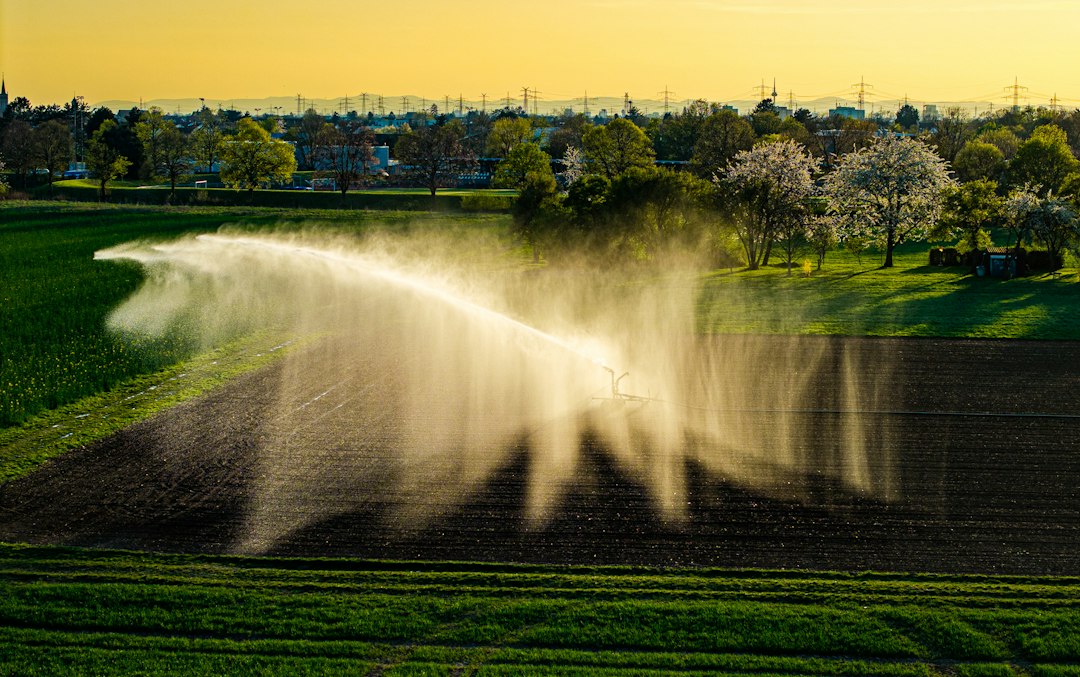
In the realm of agriculture and landscaping, efficient water management is a cornerstone of successful outcomes. Irrigation equipment, and the intricate components that comprise it, play a pivotal role in this process. Sprinkler valves, in particular, are not merely accessories; they are the unsung heroes that control the flow of water, ensuring every plant receives the necessary hydration. However, navigating the diverse array of sprinkler valve types and installations can be a complex task. This article delves into the intricacies of irrigation equipment, offering a comprehensive guide to help professionals and enthusiasts alike master the art of controlled watering, thereby fostering healthier, more vibrant landscapes.
- Understanding Irrigation Systems: Basics and Components
- Sprinkler Valves 101: Types and Their Functions
- Designing Efficient Water Distribution Networks
- Advanced Control and Automation in Modern Irrigation
Understanding Irrigation Systems: Basics and Components
Irrigation systems form the backbone of effective lawn care, providing tailored water distribution for optimal plant health. Understanding their basics and components is crucial for efficient management. At the heart of any irrigation system lies a network of pipes and sprinkler valves that work in harmony to deliver precise amounts of water directly to plant roots. These systems can range from simple manual controls to sophisticated automated solutions, each designed to meet specific needs.
Key components include controllers, which act as the central brain, regulating water flow based on programmed settings or weather data; valves, responsible for controlling the water supply to different zones; and sprinklers themselves, varying in design from pop-up models to rotary nozzles, each offering distinct coverage patterns. Modern advancements have introduced smart sprinkler valves that leverage internet connectivity and sensors to optimize watering schedules according to real-time environmental conditions. This technology not only conserves water but also ensures plants receive the ideal amount at the most beneficial times.
For instance, consider a typical lawn sprinkler system equipped with pressure-regulating valves and weather-based controllers. These components work in tandem to prevent overwatering by adjusting flow rates based on rainfall and soil moisture levels. This proactive approach not only promotes healthy grass growth but also mitigates water waste, making it an environmentally responsible choice for homeowners and commercial properties alike. By understanding these foundational elements, users can make informed decisions when selecting or maintaining irrigation equipment, ultimately fostering lush landscapes with minimal environmental impact.
Sprinkler Valves 101: Types and Their Functions
Sprinkler valves are essential components of any lawn sprinkler system, playing a critical role in controlling water flow and ensuring efficient irrigation. With various types available, understanding their functions is key to optimizing your irrigation equipment. Let's explore the different kinds of sprinkler valves and how they contribute to effective watering.
The most common types include pressure-regulating valves, which maintain consistent water pressure, preventing excessive force on pipes; flow control valves that regulate the rate of water passage; and check valves designed to prevent backflow. For instance, in large-scale irrigation systems, pressure-regulating valves are crucial for maintaining optimal sprinkler performance and extending equipment lifespan. Moreover, flow control valves allow precise adjustment of watering intensity, promoting both water conservation and ensuring every area under the sprinkler system receives adequate moisture.
Another important valve is the solenoid valve, commonly used in automated sprinkler systems. These valves use an electric current to control water flow, enabling remote or timer-based activation. For instance, a golf course might employ solenoid valves paired with smart controllers to precisely time watering sessions throughout the day. By integrating these valves into their irrigation equipment, courses can achieve optimal turf health while minimizing water usage.
When selecting sprinkler valves, consider factors like system size, pressure, and desired control. Regular maintenance, including cleaning and checking for leaks, ensures valves function optimally. This proactive approach not only enhances water efficiency but also contributes to the longevity of your lawn sprinkler system, ultimately providing better value from your irrigation equipment investment.
Designing Efficient Water Distribution Networks
Designing efficient water distribution networks for irrigation equipment is a complex but critical task. The goal is to ensure every part of the landscape receives adequate water, while minimizing waste. One of the most effective tools in achieving this balance are sprinkler valves. Sprinkler valves, when properly configured and maintained, can optimize water delivery by controlling flow rates, timing, and distribution patterns. For instance, using smart sprinkler controllers paired with climate-based algorithms can reduce water usage by up to 30% while maintaining lush, vibrant lawns and landscapes.
A well-designed network starts with assessing the site's unique needs and conditions. This includes factoring in factors like soil type, slope, plant types, and environmental conditions. For residential properties, a typical lawn sprinkler system might employ a combination of overhead sprinklers for broader coverage and inline valves to allow for precise control and zone management. Commercial landscapes often require more sophisticated systems with multiple zones controlled by advanced controllers that can learn and adapt to daily use patterns.
Once the network is designed, regular maintenance becomes paramount. Clogged filters, corroded pipes, and malfunctioning valves can disrupt water flow and lead to uneven watering. Preventive maintenance includes inspecting equipment regularly, flushing lines to remove sediment buildup, and replacing parts as needed. Implementing a routine maintenance schedule not only ensures optimal irrigation efficiency but also extends the lifespan of your irrigation equipment. By prioritizing efficient water distribution, you're not just saving on water bills; you're also contributing to sustainable practices that benefit both your landscape and the environment.
Advanced Control and Automation in Modern Irrigation
Advanced control and automation have revolutionized modern irrigation, transforming traditional lawn sprinkler systems into highly efficient, data-driven solutions. By integrating smart sprinkler valves, irrigation equipment can now adapt to real-time weather conditions, soil moisture levels, and plant needs, minimizing water waste and maximizing yield. For instance, smart valves can adjust water flow based on weather forecasts, ensuring that systems only operate when necessary, a feature particularly beneficial in regions facing water scarcity.
These advanced systems leverage sensors and IoT (Internet of Things) technology to gather and analyze data, enabling precise control of sprinkler valves. Sensors embedded in the soil measure moisture content, allowing the system to activate or deactivate irrigation accordingly. Additionally, weather stations integrated into the network provide valuable insights into temperature, humidity, and precipitation, further refining irrigation schedules. This data-driven approach ensures that each spray valve operates optimally, delivering the right amount of water at the right time, contributing to healthier plants and reduced environmental impact.
Implementing automated irrigation systems offers significant advantages, including cost savings, improved plant health, and enhanced environmental sustainability. Studies show that smart irrigation can reduce water consumption by up to 40% compared to manually controlled systems. Moreover, precise control over sprinkler valves leads to better turf management, as it minimizes the risk of over- or under-saturation, preventing both waterlogging and drought stress. As urbanization continues to grow, the integration of advanced control and automation in irrigation equipment will play a pivotal role in ensuring efficient water utilization and sustainable landscape management.
Frequently Asked Questions About irrigation equipment
What are the different types of irrigation systems available? Irrigation systems come in various types, each designed for specific needs. Sprinkler systems are common, using a network of pipes and sprinklers to distribute water over a large area. Drip or micro-sprinkler systems deliver water directly to plant roots, conserving water. Misting systems use fine droplets for cool-down and humidity control. Hydroponic systems use nutrient-rich water to grow plants without soil, while smart irrigation controllers integrate technology for efficient water management.
How do I choose the right irrigation equipment for my property? Selecting the best equipment depends on your property's size, plant types, climate, and budget. Consider factors like water pressure, terrain, and specific crop requirements. Consult with professionals or use online tools to assess your needs. Test different systems and consult with local experts who can recommend suitable options based on your region's conditions and regulations.
Are there any energy-efficient irrigation options? Absolutely! Energy-efficient irrigation systems are available, incorporating smart technologies and water-saving mechanisms. Drip irrigation, for instance, uses less energy and water compared to sprinkler systems. Smart controllers with weather data integration can adjust watering schedules, ensuring plants receive the right amount of water. Solar-powered irrigation systems harness renewable energy, making them environmentally friendly and cost-effective in the long run.
Can irrigation systems be automated? Irrigation equipment can indeed be automated through smart technology. Automated systems use sensors to monitor soil moisture levels, weather conditions, and plant health, adjusting watering schedules accordingly. These systems can be controlled remotely via mobile apps or voice assistants, allowing you to manage your garden from anywhere. Automation ensures efficient water usage and reduces the risk of over-or under-watering plants.
How do I maintain irrigation equipment to ensure longevity? Regular maintenance is crucial for extending the life of irrigation equipment. Inspect systems for leaks, clogs, or damage after each season. Clean filters and emitters to prevent blockages. Keep records of maintenance activities and service schedules. Use high-quality products and materials during installation and repairs. Regular care ensures optimal performance, water efficiency, and minimizes downtime.
By delving into the core components of irrigation systems, understanding sprinkler valves, and exploring control automation, readers have gained a comprehensive overview of modern irrigation practices. The article's key insights emphasize the importance of efficient water distribution networks, highlighting the critical role of sprinkler valves in precise water control. This knowledge is instrumental in optimizing agricultural productivity while minimizing water wastage. Moving forward, adopting advanced control systems and integrating them with sprinkler valves can revolutionize irrigation management, ensuring sustainable and efficient farming practices.