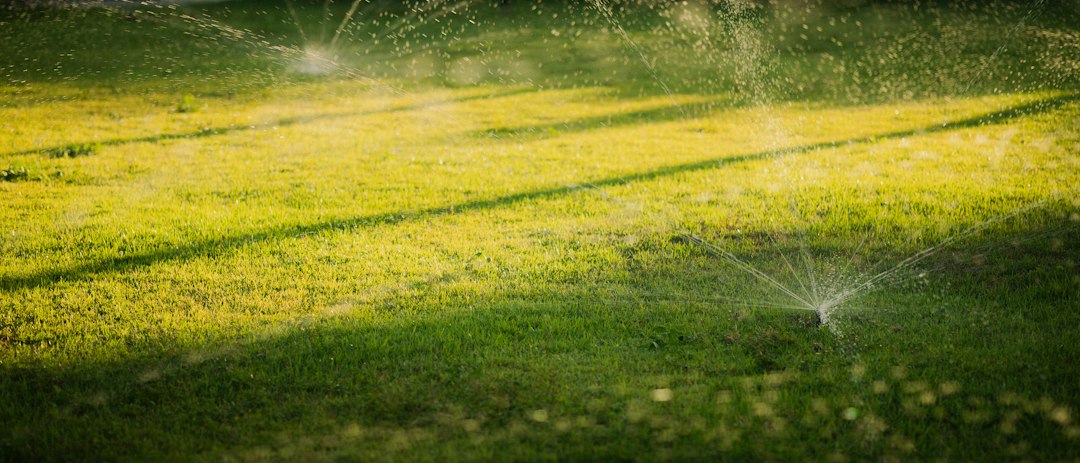
Sprinkler systems are vital for fire safety and efficient water management in commercial, industrial, and residential buildings. However, selecting, installing, and maintaining the correct sprinkler system equipment can be complex. This article provides a practical guide to navigating this intricate process. We'll examine the key components, from sprinkler heads and rotors to irrigation controllers, valves, and backflow preventers. By following established industry standards set by organizations like the National Fire Protection Association (NFPA) and the Sprinkler Industry Standards Council, you can ensure a safe, effective, and compliant system. We'll offer practical insights and best practices to help you every step of the way, backed by expert advice from industry leaders like Johns Manville and FireControl Solutions.
- Sprinkler Heads: Types and Selection
- Rotors, Nozzles, and Drip Irrigation
- Controllers, Valves, and Backflow Protection
- Pipe, Fittings, Installation, and Maintenance
Sprinkler Heads: Types and Selection
Sprinkler heads are the critical components that transform water into a powerful defense against fire. They come in various types, each designed for specific applications, water pressures, and environments. Selecting the right sprinkler head is important for effective fire protection and efficient water usage.
The most common types include sidewall sprinklers, typically used in commercial buildings and warehouses, and pendant sprinklers, often found in high-ceilinged spaces like factories and gyms. Each has an unique spray pattern and coverage area, with some models offering fine mist for targeted protection and others projecting a wide spray for broader coverage. The Rotor Tech Innovations SkyStream sprinkler head is known for its long throw and fine spray pattern, making it ideal for protecting large industrial spaces.
When choosing sprinkler heads, consider the building's layout, water supply pressure, and potential hazards. The National Fire Protection Association (NFPA) provides detailed guidelines for sprinkler system design and selection. For residential lawns, drip irrigation systems, like those from Drip Works, offer a more subtle and water-efficient approach, using tiny emitters to deliver water directly to plant roots. These systems integrate smoothly with irrigation controllers, allowing for precise scheduling and adjustments based on local weather conditions.
Regular maintenance is vital to ensure sprinkler heads function bestly. The Sprinkler Industry Standards Council recommends periodic testing, including flow tests to verify water pressure and sprinkler operation. Johns Manville, a leading building materials company, offers comprehensive fire sprinkler system solutions, including maintenance packages that ensure equipment remains in top condition. Remember, a well-maintained sprinkler system is key to effective fire safety and can save lives and property.
Rotors, Nozzles, and Drip Irrigation
Sprinkler systems, whether for lawn sprinkler systems or larger-scale applications, rely on specific hardware to deliver water effectively. Key components include rotors, spray nozzles, and drip irrigation systems, each playing an unique role in ensuring best watering.
Rotors, for instance, are an important element in many sprinkler systems, offering a wide spray pattern and adjustable coverage. Modern rotors, like those from Rotor Tech Innovations, can be programmed for precise timing and adjusted to fit diverse field needs. According to the Irrigation Association (IA), selecting the right rotor type can reduce water waste by up to 30%, making it a vital component in efficient irrigation equipment.
Spray nozzles, on the other hand, come in various types, each designed for specific applications. High-efficiency nozzles, as recommended by the National Fire Protection Association (NFPA), can significantly reduce water usage while maintaining adequate coverage. A modern spray nozzle can deliver a fine mist, allowing water to penetrate the soil more efficiently, reducing waste, and minimizing the risk of fungal diseases in plants.
Drip irrigation, a targeted watering method, has gained popularity for its water-efficient benefits. This system, often used in gardens and orchards, employs a network of small, plastic pipes with emitters that release water gradually. According to a study by the Sprinkler Industry Standards Council, drip irrigation can use up to 70% less water than traditional sprinkler systems, making it an environmentally conscious choice for irrigation equipment. The controlled delivery ensures that water reaches the plant roots directly, promoting healthier plant growth.
When selecting and installing these components, it's important to follow best practices. When integrating a new irrigation controller, ensure it's compatible with your sprinkler system equipment. A qualified contractor, familiar with local building codes and regulations set by the Local Building Codes Administration and OSHA, can help ensure the system is installed correctly and meets all safety standards. Regular maintenance, including checking for leaks and adjusting emitters, is also vital to keep these systems operating at peak efficiency.
Controllers, Valves, and Backflow Protection
Sprinkler systems are a critical safety measure for any property, and the heart of these systems lies in the precise coordination of controllers, valves, and backflow protection. These components ensure that water is delivered precisely where needed, when needed, and in the right amounts, contributing to both fire safety and efficient water usage. Let's examine the intricacies of these essential irrigation controllers, valves, and backflow preventers, and explore best practices for their selection and maintenance.
Irrigation controllers are the brains of any lawn sprinkler system, managing the timing and duration of water delivery. They can be programmed to accommodate various weather conditions, ensuring your field receives the best amount of water. A smart controller from a reputable brand like Rotor Tech Innovations can learn your property's specific needs based on local climate data, resulting in significant water savings. These controllers can also integrate with weather stations, pausing or reducing irrigation during rainfall to prevent over-saturation. A key consideration when selecting an irrigation controller is zoning, which allows for customized control of different areas of your property, ensuring efficient use of water and energy.
Valves play a dual role in sprinkler systems: they control the flow of water and enable targeted irrigation. Backflow preventers, an important component often integrated into the valve system, safeguard your water supply by stopping contaminated water from flowing back into the main water source. The Environmental Protection Agency (EPA) emphasizes the importance of backflow protection, especially in areas with potential contamination risks. A backflow preventer from Drip Works, designed to meet local building codes, ensures that any water flowing from your irrigation system is safe and clean. Regular testing and maintenance of these valves and backflow devices, as recommended by the Sprinkler Industry Standards Council, are vital to maintain the integrity of your sprinkler system and protect your water supply.
Proper selection and installation of controllers, valves, and backflow preventers are paramount. The National Fire Protection Association (NFPA) and the Irrigation Association (IA) offer practical guidelines for these processes. The IA provides detailed specifications for valve selection based on system size, water pressure, and flow rate, ensuring best performance and efficiency. When installing these components, it's important to adhere to local building codes administered by your municipality, which often mandate specific standards and safety measures. Regular maintenance, including checking for leaks, ensuring proper water pressure, and testing backflow preventers, is essential to keep your sprinkler system operational and efficient, contributing to a safer and more sustainable environment.
Pipe, Fittings, Installation, and Maintenance
Irrigation equipment, specifically lawn sprinkler systems, rely heavily on pipe, fittings, and proper installation and maintenance to function efficiently and reliably. The selection and installation of these components are critical, as they directly impact water distribution, pressure regulation, and system longevity. According to the Irrigation Association (IA), the average residential sprinkler system uses about 13,000 gallons of water per year, making water-efficient design and installation paramount.
When choosing pipe and fittings, consider factors like material (copper, PVC, PE), thickness, and diameter. Copper pipe offers superior corrosion resistance but is more expensive, while PVC is lightweight and cost-effective for residential applications. Fittings should be compatible with the pipe material and rated for the system's operating pressure, as mismatches can lead to leaks and system failure. The National Fire Protection Association (NFPA) provides practical guidelines for sprinkler system design and installation, emphasizing the importance of proper fitting connections to prevent water loss and potential hazards.
Installation involves more than just connecting pipes. It requires precise alignment, secure connections, and the correct use of sealants. A study by Johns Manville found that improper installations can result in up to 20% water loss, impacting both water bills and system longevity. Professional installation by a licensed contractor is recommended to ensure compliance with local building codes and industry standards. Regular maintenance, including inspection, cleaning, and pressure testing, is equally vital. The Sprinkler Industry Standards Council offers detailed maintenance protocols, emphasizing the importance of backflow preventers to safeguard water quality and prevent contamination. An irrigation controller, a central component, orchestrates the system's operation, ensuring water delivery at the right time and duration, thereby maximizing efficiency and minimizing waste.
Frequently Asked Questions About Sprinkler System Equipment Guides: Sprinkler Heads, Rotors, Spray Nozzles, Drip Irrigation, Controllers, Valves, Backflow Preventers, Pipe and Fittings, Selection, Installation, and Maintenance
What are the most common types of sprinkler heads?
Sprinkler heads come in various types, each designed for specific applications. The most common include sidewall and pendant sprinkler heads. Sidewall heads are mounted along the wall or ceiling, offering broad coverage. Pendant heads hang from the ceiling, ideal for protecting large, open spaces. Other types include corner, ceiling, and inline heads, each with unique spray patterns and installation requirements.
How do I select the right rotor for my sprinkler system?
Selecting the right rotor depends on your system's flow rate, pressure, and coverage area. High-flow systems require larger rotors, while low-flow drip irrigation systems need smaller ones. Consider the type of terrain and vegetation you're irrigating. Areas with heavy foliage might require more frequent, lower-volume watering, dictating the choice of rotor.
What factors should I consider when choosing a spray nozzle?
Spray nozzles vary by spray pattern, flow rate, and pressure. Choose a nozzle that matches your irrigation goals. Flat or full-circle patterns offer uniform coverage, while square or segment patterns provide targeted watering. Flow rates and pressure ratings must also align with your system's specifications.
Can you explain the purpose of a backflow preventer?
A backflow preventer, also known as a backflow valve, is a safety device that stops contaminated water from flowing back into your sprinkler system and drinking water supply. It's important in areas with potential contamination sources, like near construction sites or agricultural areas. Backflow preventers ensure the purity of your water, protecting both your system and the community.
How do I know what pipe and fitting sizes to use?
Pipe and fitting sizes depend on your system's water supply pressure, flow rate, and the length of runs. Generally, larger pipes accommodate higher flow rates. Use industry-standard fittings for leak-free connections, and consult local building codes for specific requirements. A qualified plumber can help determine the appropriate sizes for your system.
What's involved in installing a sprinkler system?
Sprinkler system installation involves several steps: designing the system based on site conditions, selecting the right components, preparing the soil, installing pipes and fittings, and setting up each sprinkler head. Professional installers ensure proper placement, depth, and angle of sprinkler heads for best coverage. Testing and adjustments after installation are important for system efficiency.
The practical guide to sprinkler system equipment offers a wealth of knowledge for professionals and property owners alike. By understanding the diverse range of components, from sprinkler heads and rotors to controllers and backflow preventers, users can ensure the best performance and safety of their sprinkler systems. This includes selecting the right type of sprinkler head for each application, utilizing drip irrigation for targeted watering, and installing solid pipe and fittings. The article emphasizes the importance of maintaining these systems, underscoring the roles of regular checks, cleaning, and compliance with local building codes and EPA regulations. The National Fire Protection Association (NFPA) and the Sprinkler Industry Standards Council provide essential standards and guidelines.
Practical next steps include:
- Consulting with a certified sprinkler technician to assess and maintain the system.
- Referring to industry standards and local building codes when planning sprinkler system upgrades or installations.
- Ensuring all equipment, especially controllers, is up-to-date and compatible with modern smart home technologies for enhanced control and monitoring.
By following these guidelines and leveraging the expertise of organizations like the Irrigation Association (IA) and Fire Sprinkler Systems International (FSSI), users can create and maintain efficient, safe, and compliant sprinkler systems, ultimately safeguarding their properties and contributing to sustainable water management practices.