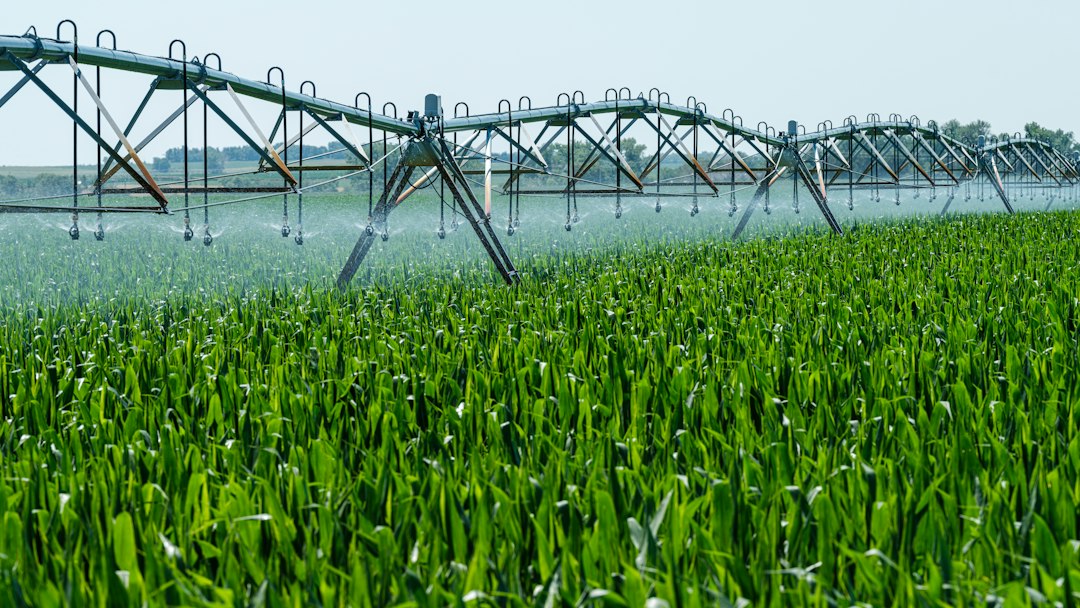
In the realm of landscape irrigation, sprinkler systems stand as a cornerstone of efficient and effective water management. As water scarcity and drought conditions persist, the importance of well-designed and maintained sprinkler systems cannot be overstated. This comprehensive guide delves into the intricate components that constitute these systems, from sprinkler heads and rotors to controllers, valves, and backflow preventers. Understanding the selection, installation, and maintenance of these crucial elements is essential for ensuring optimal performance, water conservation, and system longevity. Sprinkler valves, in particular, play a vital role in regulating water flow, making them a critical aspect to consider.
- Understanding Sprinkler Head Types and Applications
- Rotors, Nozzles, and Spray Patterns: A Comprehensive Guide
- Controller Installation and Programming: Efficient Irrigation
- Sprinkler Valves, Backflow, and Pipe: Maintaining Water Flow Safety
Understanding Sprinkler Head Types and Applications
Sprinkler heads are the essential components that deliver water to your lawn or landscape, playing a pivotal role in the functionality of any lawn sprinkler system. Understanding the various types and their applications is crucial for effective irrigation. Each sprinkler head design is tailored to specific watering needs, ensuring optimal coverage and efficiency. For instance, impact sprinkler heads are ideal for large open areas, projecting water a considerable distance with a strong spray pattern, while rotary heads are more suitable for closer, uniform coverage.
The selection process involves considering factors like the size and layout of your property, soil type, and desired watering efficiency. For instance, high-efficiency sprinkler heads reduce water wastage by minimizing spray overlap, making them eco-friendly choices for environmentally conscious homeowners. Additionally, understanding the water pressure requirements for different heads is vital. Some sprinkler valves, when incorporated into the system, enable precise control over water flow, allowing for customized watering schedules and zones, further enhancing efficiency.
When it comes to installation, proper placement and orientation of sprinkler heads are key. Professional irrigation experts recommend a systematic approach, ensuring heads are evenly spaced and cover the entire area without overlap or gaps. Regular maintenance, including cleaning and inspection, is equally important. Buildup of debris or mineral deposits can hinder performance, so periodic flushing and valve checks are recommended. For example, backflow preventers, a critical component of irrigation equipment, protect against water contamination, ensuring the integrity of your lawn sprinkler system.
Rotors, Nozzles, and Spray Patterns: A Comprehensive Guide
Sprinkler rotors, spray nozzles, and their associated spray patterns are essential components of any efficient irrigation system, whether it's a residential lawn sprinkler system or a commercial-scale agricultural setup. Understanding the nuances of each component ensures optimal water distribution, minimizing waste and maximizing plant health.
Rotors, for instance, are designed to provide uniform water coverage, with spray nozzles strategically placed to ensure every area receives the necessary moisture. The choice of rotor depends on factors like soil type, plant density, and desired water application rates. For instance, impact rotors are ideal for large open areas with low plant density, while precision-stream rotors are better suited for closer-cropped lawns or vegetable gardens. Spray nozzles, with their varied spray angles and patterns, play a crucial role in tailoring water delivery. Flat-fan nozzles, for example, create a wide, even spray, perfect for covering expansive turf, while drop nozzles deliver a focused stream suitable for tree and shrub irrigation.
Selecting the right sprinkler valves and controlling their operation is another critical aspect. Modern irrigation equipment offers advanced controllers that allow for precise timing and duration of water application. These controllers, often integrated with weather data, ensure that watering occurs only when needed, promoting water conservation. Regular maintenance, including cleaning and replacing nozzles and valves, is vital to keep the system running efficiently. For instance, mineral buildup on nozzles can restrict water flow, while faulty valves can lead to water wastage. As such, proactive maintenance schedules are recommended to ensure the longevity and peak performance of any sprinkler system.
Controller Installation and Programming: Efficient Irrigation
Sprinkler controller installation and programming are critical components of efficient lawn sprinkler system and irrigation equipment management. The controller acts as the brain of the system, coordinating the timing and duration of water delivery based on environmental conditions and programmed settings. A well-installed and programmed controller ensures optimal water usage, minimizing waste while maximizing the health and appearance of your landscaping.
During installation, it's essential to consider factors like pipe layout, zone configuration, and environmental conditions. For instance, placement of sprinkler valves should align with the system's design, ensuring even water distribution across each zone. Proper wiring and connectivity are likewise vital; controllers must be seamlessly integrated with other irrigation equipment, such as valves and sensors, to enable seamless operation. Many modern controllers offer wireless connectivity, simplifying installation and future adjustments.
Programming the sprinkler controller is a nuanced process that requires a deep understanding of your lawn's water needs. Settings like start times, run durations, and frequency should account for factors like daily temperature, soil type, and evapotranspiration rates. For example, programming a controller to run for shorter, more frequent cycles during hot, dry periods can significantly reduce water waste while maintaining plant health. Regularly reviewing and adjusting these settings based on seasonal changes and evolving weather patterns is crucial for maintaining efficient irrigation.
Data-driven insights can further enhance controller performance. Many advanced controllers incorporate weather data feeds, allowing them to adjust watering schedules in real-time based on current weather conditions. This proactive approach ensures your lawn sprinkler system only operates when and where water is needed, leading to substantial water and cost savings. Ultimately, a well-installed and expertly programmed sprinkler controller is the linchpin of a robust, sustainable, and aesthetically pleasing lawn and landscape irrigation system.
Sprinkler Valves, Backflow, and Pipe: Maintaining Water Flow Safety
Sprinkler valves play a critical role in any lawn sprinkler system or irrigation equipment setup. They control the flow of water, ensuring that each area receives the right amount at the right time. Backflow preventers, another essential component, safeguard against contaminated water flowing back into the main supply, protecting both your lawn and the broader water system.
Properly selected and installed sprinkler valves and backflow devices are crucial for maintaining water flow safety. Valves come in various types, each suited to different application needs, such as pressure-reducing valves for areas with high water pressure. Backflow preventers, like reduced pressure backflow (RPB) devices, are designed to stop any backflow of water from contaminated sources, like garden chemicals or nearby construction sites. It's essential to choose these components based on specific local codes and the unique characteristics of your property.
During installation, ensure all sprinkler valves and backflow preventers are fitted securely and connected to the appropriate pipe and fittings. Regular maintenance, including checking for leaks, tightening connections, and replacing worn parts, is vital to keep the system functioning efficiently and safely. Data from industry leaders suggests that regular maintenance can extend the lifespan of irrigation systems by up to 50%, saving you money on repairs and water bills. Always refer to manufacturer guidelines and consult with professionals to ensure your sprinkler valves, backflow devices, and piping are in optimal condition.
Frequently Asked Questions About Sprinkler system equipment guides: sprinkler heads, rotors, spray nozzles, drip irrigation, controllers, valves, backflow preventers, pipe and fittings, selection, installation and maintenance.
What are the different types of sprinkler heads? Sprinkler heads come in various types, each designed for specific applications. The most common include impact (or pop-up) heads, which are the most versatile and widely used; side-spray heads, offering a wide spray pattern for even coverage; and rotator heads, known for their ability to cover large areas with a rotating spray. Specialty heads also exist for corners, edges, and specific plant types.
How do I select the right sprinkler head for my yard? Selection depends on your yard's layout, climate, and vegetation. Consider factors like spray pattern, water coverage, and operating temperature. For best results, assess your yard's needs—sun exposure, shade areas, and plant types—and choose heads that align with these conditions. Consult with a professional for expert advice tailored to your specific requirements.
What is the purpose of a backflow preventer in sprinkler systems? A backflow preventer is a vital safety device that stops contaminated water from flowing back into the main water supply. It protects the system from potential pollutants and ensures the water remaining in the pipes is safe. Backflow preventers are crucial, especially in areas where the water source might be prone to contamination, ensuring the integrity of your sprinkler system and the quality of your water.
Can drip irrigation systems be installed alongside traditional sprinkler systems? Absolutely. Drip irrigation systems, which deliver water directly to the plant roots, can complement traditional sprinkler systems. They are ideal for specific areas or plants requiring more precise watering. Combining both systems allows for a more efficient water distribution network, catering to the diverse needs of your landscape while optimizing water use.
What factors should I consider when installing a sprinkler controller? Installation of a sprinkler controller involves considering several factors. These include the size of your property, the number of zones required, and the type of sprinkler heads used. It's essential to match the controller's capacity to your system's needs. Additionally, consider programming, weather sensors, and energy efficiency to ensure a well-managed and water-efficient irrigation system.
How often should I maintain my sprinkler system? Regular maintenance is crucial for optimal sprinkler system performance. Aim for seasonal inspections, adjusting for changes in weather and plant growth. During these checks, inspect pipes for leaks, ensure proper water pressure, and clean or replace filters. A well-maintained system ensures efficient water distribution, promotes plant health, and prevents costly repairs.
By delving into the various aspects of sprinkler system equipment, from sprinkler heads and rotors to controllers, valves, and backflow preventers, this comprehensive guide has equipped readers with the knowledge to navigate the complexities of sprinkler irrigation systems. Key takeaways include the importance of selecting the right sprinkler heads for specific applications, understanding the impact of spray nozzles and their patterns, efficiently programming controllers for optimal water distribution, and ensuring safe and reliable water flow through proper valve selection and backflow prevention.
Practical next steps include implementing these insights during sprinkler system installation, regularly maintaining equipment, and staying informed about the latest innovations in sprinkler technology. Understanding the intricate interplay between these components—especially sprinkler valves—enables efficient, sustainable, and safe irrigation practices, making your space thrive with lush greenery or productive crops. This guide serves as a valuable resource for both professionals and homeowners, fostering informed decision-making and ensuring optimal sprinkler system performance.