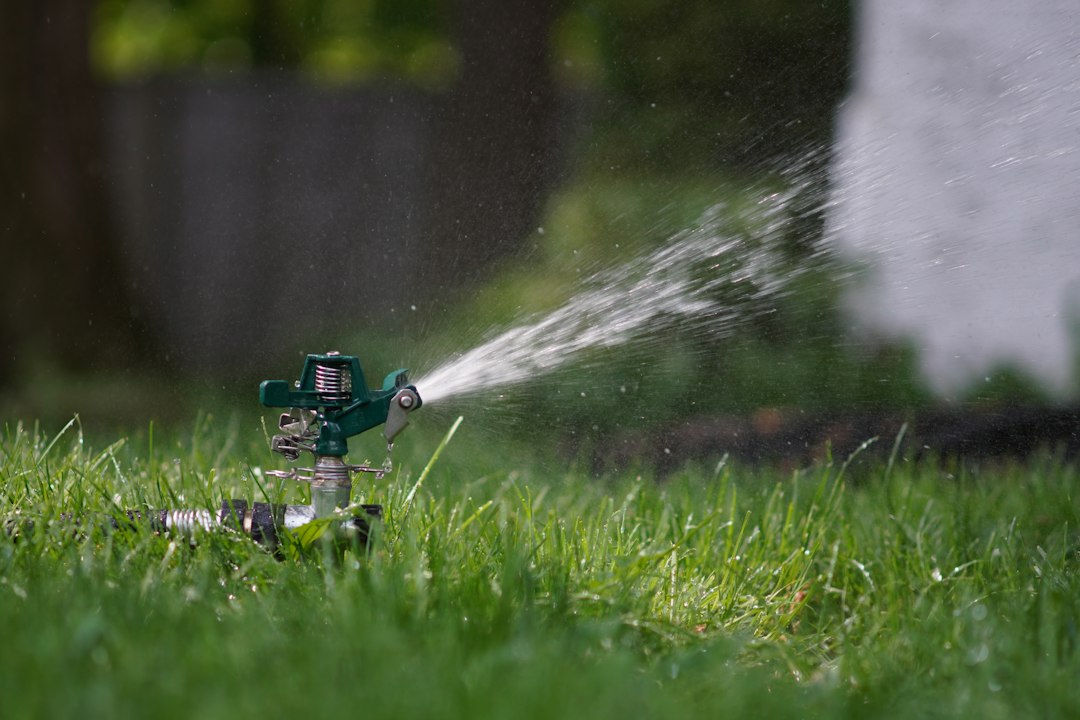
In the realm of landscaping and garden management, a robust sprinkler system equipment setup is the linchpin for efficient watering and plant health. Whether you're an experienced gardener or a property manager, understanding the intricate components of sprinkler systems – from sprinkler heads and rotors to controllers and backflow preventers – is crucial for optimal performance and water conservation. This guide delves into the essential sprinkler system equipment, offering practical insights on selection, installation, and maintenance to ensure your green spaces thrive.
- Understanding Sprinkler Heads: Types and Functionality
- Rotors, Nozzles, and Spray Patterns: A Comprehensive Guide
- Controller and Valve Selection: Optimizing Your Irrigation
- Installation, Maintenance, and Backflow Prevention Tips
Understanding Sprinkler Heads: Types and Functionality
Sprinkler heads, the visible components of sprinkler systems, play a pivotal role in effective irrigation. They are designed to distribute water evenly across a specified area, ensuring optimal plant growth and lawn health. Understanding the diverse types and their functionalities is key to selecting the right sprinkler system equipment for any landscape.
The most common sprinkler head types include pop-up and impact heads. Pop-up heads, as the name suggests, rise above the ground when activated, typically by water pressure. They are versatile and suitable for various applications, from residential lawns to commercial landscapes. Impact heads, on the other hand, are designed to pierce the soil surface and remain in place, delivering water at a specific pattern and radius. This makes them ideal for areas with challenging terrain or dense vegetation. For instance, in a large, sloped property, impact sprinklers can efficiently target individual plants while minimizing water wastage.
Selecting the appropriate sprinkler heads depends on several factors, including the type of vegetation, soil conditions, and desired water distribution. Manufacturers offer a wide range of models with adjustable spray patterns, flow rates, and height, allowing for precise customization. For example, a fine mist spray pattern is suitable for delicate flowers, while a broader, more even distribution is better for grasses and shrubs. Regular maintenance, including cleaning and replacement, ensures the continued effectiveness of sprinkler heads. This involves inspecting for blockages, adjusting spray patterns as plants grow, and replacing worn-out heads to maintain efficient irrigation. Incorporating drip irrigation systems, a type of irrigation equipment, as part of your sprinkler system can further enhance water efficiency by delivering water directly to plant roots, minimizing evaporation and run-off.
Rotors, Nozzles, and Spray Patterns: A Comprehensive Guide
Sprinkler system equipment, particularly rotors, spray nozzles, and their associated spray patterns, are critical components of any efficient lawn sprinkler system or irrigation equipment setup. Understanding the nuances of these elements allows for precise water distribution, ensuring optimal plant health and water conservation. Rotors, for instance, are designed to throw water at varying distances and rates, catering to different terrain and vegetation types. Nozzle selection is equally important, as they control the droplet size and intensity of the spray, which directly impacts evaporation rates and plant hydration.
The spray pattern from each sprinkler head is a function of both the rotor design and the nozzle type. Common patterns include full circle, half circle, and spot spraying. Full circle rotors, as the name suggests, provide a uniform spray pattern across the entire area covered by the sprinkler head. This is ideal for large, open spaces where consistent moisture is required. Half circle rotors, on the other hand, are suited for areas with obstructions like trees or shrubs, as they can be positioned to cover only the necessary zones, reducing water wastage. Spot spraying nozzles, with their high-intensity, focused streams, are used for targeted irrigation of specific plants or beds.
When designing or maintaining a sprinkler system, it's crucial to consider the specific needs of the landscape. Factors such as slope, soil type, and vegetation density should guide the selection of rotors and nozzles. For instance, areas with a high water table or clay-rich soils may require nozzles that produce larger droplets to reduce runoff and prevent soil erosion. Conversely, sandy soils benefit from smaller droplets that penetrate deeper, ensuring water reaches the root zone. Regular maintenance, including checking for blockages, cleaning nozzles, and inspecting rotors for wear, is essential to keep sprinkler system equipment in optimal condition, ensuring the system operates efficiently and effectively year-round.
Controller and Valve Selection: Optimizing Your Irrigation
Selecting the appropriate sprinkler system equipment, particularly controllers and valves, is a crucial step in optimizing your lawn sprinkler system's efficiency and performance. Controllers, the brain of your irrigation system, govern the timing and duration of water delivery, ensuring your plants receive the right amount of moisture. Valves, on the other hand, control the flow of water through your sprinkler system, enabling precise management of water distribution.
When choosing controllers, consider factors such as climate, soil type, and the size and layout of your property. Smart, weather-based controllers have emerged as a game-changer, using real-time weather data to adjust irrigation schedules accurately. These controllers learn your area's microclimate, taking into account factors like temperature, humidity, and wind speed, ensuring your lawn receives water only when needed. For instance, a study by the University of Florida found that weather-based controllers can reduce water usage by up to 40% compared to traditional controllers.
Valves, too, offer various options, from basic mechanical models to advanced electric or solenoid valves. The latter are ideal for complex systems, providing better control and precision. For smaller-scale applications, mechanical valves are cost-effective and reliable. Additionally, backflow preventers are essential safety features that guard against contaminated water flowing back into your main water supply. These devices ensure the purity of your irrigation water, which is particularly important in areas where potential contaminants are present.
Regular maintenance of your sprinkler system equipment is vital. Cleaning and inspecting valves and controllers can prevent clogs and ensure optimal performance. Checking for leaks in pipes and fittings is also crucial, as even small leaks can lead to significant water wastage over time. Remember, efficient irrigation equipment not only conserves water but also contributes to a lush, healthy lawn.
Installation, Maintenance, and Backflow Prevention Tips
The successful installation and ongoing maintenance of a sprinkler system equipment are paramount to ensuring efficient and effective irrigation for your lawn and landscaping. When setting up a sprinkler system, meticulous planning and the right tools are essential. This includes selecting the appropriate sprinkler heads, rotors, and spray nozzles tailored to your property's topography and vegetation. For instance, impact sprinklers are ideal for flat areas, while pop-up sprinklers offer better coverage in uneven terrains.
Regular maintenance, typically biannual or annual, is crucial to preserving the integrity and performance of your sprinkler system equipment. This involves inspecting pipes for leaks, replacing worn-out components, and adjusting sprinkler heads to account for growth or changes in your landscape. Drip irrigation, a precise method employing tiny emitters, requires periodic cleaning to prevent mineral buildup. Maintaining controllers and valves, the nerve center of your sprinkler system, ensures they operate accurately, preventing water waste and potential damage.
Backflow prevention is another critical aspect of sprinkler system equipment maintenance. Installing a backflow preventer, such as a reduced pressure backflow assembly (RPBA), safeguards your water supply from contamination. These devices prevent polluted water from flowing back into the potable water system. Many regions mandate backflow prevention for sprinkler systems, underscoring its importance for both public health and compliance with local regulations. Regular testing and maintenance of these devices are as vital as their installation to ensure they function optimally.
By prioritizing these installation, maintenance, and backflow prevention tips, you can extend the lifespan of your irrigation equipment, promote water efficiency, and maintain a lush, vibrant lawn.
Frequently Asked Questions About Sprinkler system equipment guides: sprinkler heads, rotors, spray nozzles, drip irrigation, controllers, valves, backflow preventers, pipe and fittings, selection, installation and maintenance.
What are the different types of sprinkler heads? Sprinkler heads come in various types, each designed for specific applications and coverage areas. The main types include impact sprinkler heads, which are activated by impact and spray a wide angle; precision sprinkler heads, offering a more focused spray pattern for targeted coverage; and side-spray sprinkler heads, featuring a sideward spray for broader area protection. Pop-up sprinkler heads are also common, designed to rise above the ground when activated, ensuring a clear, unobstructed spray.
How do I select the right sprinkler controller for my system? Choosing a sprinkler controller depends on your system's size, complexity, and specific watering needs. Consider factors like the number of zones, the type of property (residential, commercial), and the climate. Look for controllers with adjustable settings, weather-based programming, and easy-to-use interfaces. Ensure it's compatible with your sprinkler system and can handle the required flow rate.
What is the purpose of a backflow preventer? A backflow preventer, or backflow valve, is a safety device installed in sprinkler systems to prevent contaminated water from flowing back into the main water supply. It ensures that any backflow of water from the sprinkler system is stopped, protecting the quality of drinking water. Backflow preventers are crucial for maintaining water safety, especially in areas with potential pollution or contamination risks.
Can drip irrigation systems be integrated with sprinkler systems? Absolutely. Drip irrigation systems, which deliver water directly to the plant roots, can be seamlessly integrated with sprinkler systems. This combination allows for more efficient watering, as drip systems minimize water wastage and provide targeted watering to plants. By integrating the two, you can create a comprehensive watering solution tailored to your landscape's needs.
How often should I maintain my sprinkler system? Regular maintenance is essential for optimal sprinkler system performance. Aim for bi-annual to annual maintenance, depending on usage and environmental factors. Routine checks include inspecting pipes for leaks, ensuring valves operate smoothly, and cleaning or replacing filters. Seasonal maintenance, such as winterization before cold weather, is also vital to protect the system from damage.
By delving into the intricacies of sprinkler system equipment, from sprinkler heads and rotors to controllers, valves, and backflow preventers, this guide has equipped readers with a comprehensive toolkit for navigating the complex landscape of irrigation systems. Understanding the functional diversity of sprinkler heads, their interaction with nozzles and spray patterns, and the strategic selection of controllers and valves are pivotal steps in optimizing water distribution and plant health.
Practical considerations for installation, maintenance, and backflow prevention have been highlighted, ensuring readers can confidently implement and care for their sprinkler systems. Armed with this knowledge, folks can now foster thriving landscapes, knowing their sprinkler system equipment is working harmoniously to meet their watering needs, all while minimizing water wastage and maintaining system integrity. This authoritative article serves as a testament to the importance of informed decisions regarding sprinkler system equipment, promoting sustainable and efficient irrigation practices.