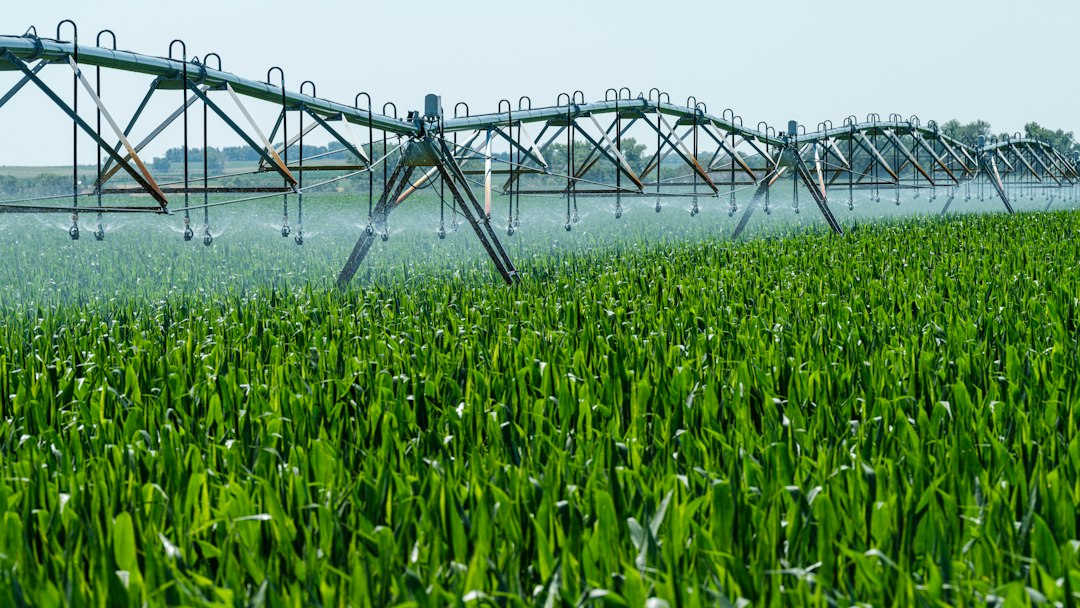
In today's landscape of diverse and demanding landscapes, efficient and effective irrigation systems are crucial for thriving vegetation. Sprinkler systems, a cornerstone of modern landscaping, offer precise and targeted water delivery, ensuring plants receive the optimal amount of moisture. However, selecting and installing the right sprinkler head, from the versatile impact sprinkler to the specialized drip nozzle, requires careful consideration of factors like soil type, plant needs, and system design. This guide delves into the essential components of sprinkler systems, empowering you to make informed decisions and ensure your system operates at peak performance through proper selection, installation, and maintenance. Let's explore the intricate world of sprinkler system equipment, starting with the fundamental sprinkler heads.
- Understanding Sprinkler Heads: Types and Applications
- Rotor Selection: Key Factors for Efficient Irrigation
- Spray Nozzles Explained: Patterns, Coverage, and Choice
- Comprehensive Guide to Sprinkler System Installation and Maintenance
Understanding Sprinkler Heads: Types and Applications
Sprinkler heads are a critical component of any irrigation system, playing a pivotal role in efficient and effective water distribution for both residential and commercial lawn sprinkler systems. Understanding the diverse types and their specific applications is essential for selecting the right sprinkler heads to meet your irrigation equipment needs.
The most common types include impact and precision spray heads. Impact sprinkler heads, characterized by their robust design, are suitable for large areas with low water pressure. They produce a broad, low-angle spray pattern, making them ideal for extensive landscapes. In contrast, precision spray heads deliver a fine, concentrated spray, perfect for targeted watering of flower beds, trees, and other specific areas. For instance, a recent study by the Irrigation Association revealed that using the right sprinkler heads for specific applications can lead to water savings of up to 25% compared to improper or outdated irrigation equipment.
Installation and maintenance of sprinkler heads are key to ensuring their optimal performance. Regular inspection and cleaning are vital to prevent clogs and maintain water distribution uniformity. Additionally, backflow preventers and valves should be installed to safeguard against water contamination, a crucial consideration for any lawn sprinkler system. By understanding the diverse range of sprinkler heads available and implementing proper care practices, users can maximize the efficiency and longevity of their irrigation systems.
Rotor Selection: Key Factors for Efficient Irrigation
Selecting the appropriate rotor for your sprinkler system is a critical step in ensuring efficient irrigation, water conservation, and optimal plant health. Rotors are an essential component of pop-up and inline sprinkler heads, responsible for distributing water across the desired area. Key factors to consider when choosing rotors include watering pattern, application rate, water pressure, and soil type. For example, a standard rotary rotor provides a full circular spray pattern suitable for large areas with relatively low application rates, while a side-scan or rotating nozzle offers a narrow, focused spray that's ideal for challenging landscapes or high-value turf.
Modern irrigation equipment has evolved to meet the demands of diverse environments and water conservation initiatives. Advanced rotors are now available with adjustable settings, allowing users to fine-tune watering patterns based on plant needs. These adjustments can significantly impact water usage, particularly in regions facing drought conditions or strict water restrictions. For instance, a study by the Irrigation Association found that using precision rotary nozzles can reduce water consumption by up to 30% compared to traditional sprinkler heads.
Proper rotor selection also requires an understanding of water pressure and soil type. High-pressure systems may necessitate specific rotor designs to prevent water wastage or damage due to excessive force. Sandy soils, for instance, require rotors with finer spray patterns to ensure water penetrates deeply, preventing surface runoff. Conversely, clay soils benefit from rotors that emit a slower, more uniform flow, minimizing erosion and promoting better water absorption. Regular maintenance, including periodic cleaning and inspection of sprinkler heads and rotors, is crucial to keep lawn sprinkler systems operating efficiently.
When integrating or replacing irrigation equipment, consult with a professional to assess your property's unique needs. They can provide guidance on the most suitable rotors and other components, ensuring your sprinkler system operates at peak efficiency while minimizing water waste. This strategic approach not only benefits your landscape but also contributes to sustainable water management practices in your community.
Spray Nozzles Explained: Patterns, Coverage, and Choice
Spray nozzles, an essential component of any lawn sprinkler system, play a crucial role in effective irrigation. They are designed to disperse water in specific patterns, covering targeted areas efficiently. The choice of spray nozzle is critical as it directly impacts water distribution and overall system performance. Understanding the various types and their characteristics allows users to make informed decisions when selecting irrigation equipment for their properties.
Nozzle patterns range from narrow sprays to wide-angle coverage, each suited to different landscapes and planting zones. For example, fine mist nozzles are ideal for delicate flower beds, ensuring water reaches the roots without disturbing surrounding plants. In contrast, larger spray angles are suitable for expansive lawn areas, providing thorough watering in a single pass. Coverage is another key factor; some nozzles offer extended reach, making them perfect for large, open spaces. High-pressure nozzles, for instance, can cover wider areas with fewer sprinkler heads, reducing overall system cost and complexity.
Selecting the right spray nozzle involves considering soil type, slope, and plant density. Sandy soils may require more frequent watering due to lower water retention, necessitating high-flow nozzles. Conversely, clay-rich soils retain moisture better, allowing for lower flow rates. Sloped landscapes demand nozzles with stronger jets to combat gravity, ensuring water reaches the entire area. When it comes to lawn sprinkler systems, choosing the appropriate spray nozzle is a strategic move that optimizes water use and cultivates a lush, healthy landscape.
Comprehensive Guide to Sprinkler System Installation and Maintenance
A comprehensive guide to sprinkler system installation and maintenance is essential for ensuring optimal performance and longevity of your lawn sprinkler system. Sprinkler heads are a critical component, distributing water evenly across your property. When selecting sprinkler heads, consider factors like water pressure, coverage area, and flow rate. For example, high-efficiency spray nozzles can reduce water usage by up to 30% compared to standard models, making them ideal for conserving water without compromising coverage.
Proper installation is equally vital. This involves not only connecting the sprinkler system to your water supply but also ensuring that all valves, pipes, and fittings are securely in place and correctly sized. Irrigation equipment like rotors and drip irrigation systems offer precise watering solutions, catering to different plant types and soil conditions. Rotors, for instance, can be adjusted to provide targeted coverage, while drip irrigation delivers water directly to the root zone, minimizing evaporation and runoff.
Maintenance is the cornerstone of a reliable sprinkler system. Regular inspection and cleaning are paramount to prevent clogs and ensure optimal spray patterns. Backflow preventers, crucial safety features, must be installed and maintained according to local codes to guard against contaminated water entering your main supply. Pipe and fittings should also be checked for leaks or signs of wear and tear. By implementing a robust maintenance routine, you can extend the lifespan of your irrigation equipment, maintain water efficiency, and ensure your lawn or garden receives the hydration it needs.
Controllers play a pivotal role in managing your sprinkler system's operation, allowing for precise timing and zone control. Advanced controllers offer features like weather data integration and smart phone apps for remote control and monitoring. Regularly calibrate and update these devices to ensure accurate watering schedules. Remember, a well-maintained sprinkler system not only keeps your landscape healthy but also contributes to sustainable water usage practices.
Frequently Asked Questions About Sprinkler system equipment guides: sprinkler heads, rotors, spray nozzles, drip irrigation, controllers, valves, backflow preventers, pipe and fittings, selection, installation and maintenance.
What are the different types of sprinkler heads used in irrigation systems? Sprinkler heads come in various types, each designed for specific applications. Pop-up sprinkler heads are common and retract into the ground when not in use. Side-spray heads distribute water sidewards, covering a wide area. Rotating heads rotate to provide full coverage, while drip emitters slowly release water directly onto plant roots. Micro-sprinklers are tiny and create fine mists, ideal for small, delicate plants. Each type has unique features based on spray pattern, water pressure, and coverage area.
How do I select the right sprinkler head for my yard? Choosing the appropriate sprinkler head depends on your yard's layout, plant types, and climate. Consider factors like the size and shape of your yard, the spacing between plants, and local weather patterns. Water pressure and flow rate are also crucial considerations. It's best to consult with a professional or refer to manufacturer guidelines for specific product recommendations based on these criteria.
What is the purpose of a backflow preventer in sprinkler systems? A backflow preventer is a vital safety device that stops contaminated water from flowing back into your main water supply. It protects against potential hazards by ensuring that water flows only in one direction, away from the drinking water source. This is essential to maintain water quality and prevent any possible contamination of your irrigation system. Backflow preventers are mandatory in many regions for all sprinkler systems.
Can drip irrigation systems be installed under concrete or asphalt? Yes, drip irrigation systems can be successfully installed beneath concrete or asphalt surfaces. However, specialized equipment and techniques are required to ensure proper placement and functionality. It often involves drilling holes or using specific injection methods to insert the drip lines underneath the hardscapes. This approach allows for efficient watering of plants located in challenging areas without damaging the concrete or asphalt above.
How often should I maintain my sprinkler system? Regular maintenance is crucial for keeping your sprinkler system in optimal condition. At a minimum, perform visual inspections monthly to check for leaks, blockages, or damaged components. Spring and fall are ideal times for more thorough maintenance, including cleaning filters, checking water pressure, inspecting valves, and replacing any worn-out parts. Annual professional servicing is also recommended to ensure the system operates efficiently and effectively.
By delving into the intricacies of sprinkler system components, from sprinkler heads to backflow preventers, this comprehensive guide has empowered readers with the knowledge to navigate the complex landscape of irrigation equipment. Understanding the specific applications of different sprinkler heads, the critical role of rotor selection in efficiency, and the precise choice of spray nozzles for optimal coverage, are all essential takeaways. Additionally, the detailed installation and maintenance sections ensure readers are equipped to manage their sprinkler systems effectively. Armed with this newfound expertise, individuals can now make informed decisions, select the right components, and maintain their sprinkler systems, ensuring optimal performance and water conservation. This authoritative article serves as a valuable resource, offering practical insights that promote efficient and sustainable irrigation practices.