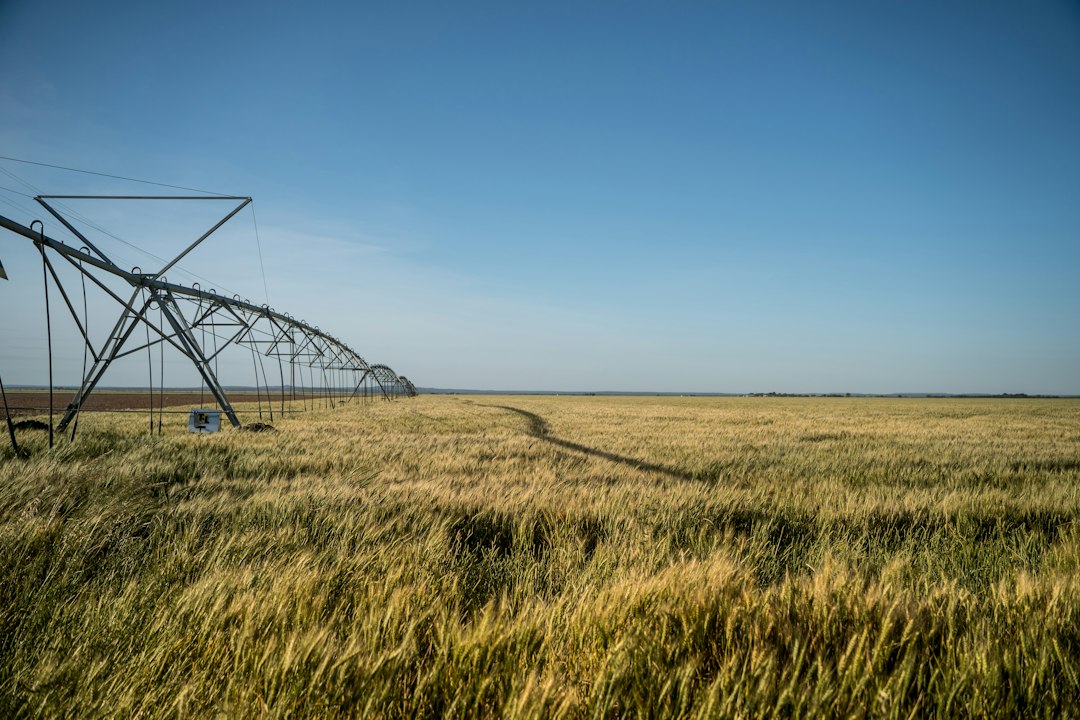
In the realm of landscape irrigation, sprinkler systems are a cornerstone for efficient and effective watering. From lush lawns to vibrant gardens, the proper selection and maintenance of sprinkler equipment can transform outdoor spaces. However, navigating the diverse array of sprinkler heads, rotors, nozzles, controllers, valves, and pipes can be a complex task. This comprehensive guide aims to demystify the process, providing an authoritative resource for both professionals and homeowners. We'll delve into the intricacies of each component, offering practical insights on selection, installation, and maintenance, ensuring your sprinkler system performs optimally year-round. Sprinkler heads, naturally, play a pivotal role, and we'll explore how to choose the right ones for your specific needs.
- Understanding Sprinkler Heads: Types and Functionality
- Sprinkler System Components: Rotor, Nozzles, and Valves
- Installation and Maintenance: A Step-by-Step Guide
- Backflow Prevention and Pipe Fittings: Ensuring Efficient Irrigation
Understanding Sprinkler Heads: Types and Functionality
Sprinkler heads are a fundamental component of any lawn sprinkler system or irrigation equipment setup. They are responsible for delivering water to the plants in a controlled manner, ensuring optimal hydration while minimizing wastage. Understanding the types and functionality of sprinkler heads is crucial for effective system design, selection, and maintenance.
The market offers a wide array of sprinkler head varieties, each tailored to specific application needs. For instance, spray nozzles are designed to create fine mist, ideal for small, delicate plants that require gentle watering. Rotors, on the other hand, emit a circular pattern of water, suitable for large open areas like fields or sports fields. Impact sprinklers use momentum to distribute water, making them efficient and effective for extensive landscapes. Each type has unique features, such as flow rates, throw distances, and water patterns, which determine their suitability for different zones within an irrigation system.
Proper selection of sprinkler heads ensures both efficient water distribution and cost-effectiveness. For example, using high-efficiency sprinklers with adjustable spray patterns can reduce water usage by up to 30% compared to standard models. Additionally, regular maintenance, including cleaning and replacement, is essential to keep sprinkler heads functioning optimally. Clogged nozzles or malfunctioning heads can disrupt the entire irrigation system, leading to uneven watering and potential over- or under-saturation of plants. Therefore, a well-planned and maintained sprinkler head system is key to achieving lush, healthy vegetation in any landscape setting.
Sprinkler System Components: Rotor, Nozzles, and Valves
Sprinkler heads are a fundamental component of any lawn sprinkler system, playing a crucial role in effective irrigation. Among various types of sprinkler heads, rotors stand out for their ability to efficiently distribute water over large areas, making them ideal for extensive landscapes. Rotors operate by spraying water horizontally, ensuring thorough coverage without wastage. This method is particularly beneficial for establishing uniform grass growth and reducing water runoff.
When selecting sprinkler nozzles, understanding the specific requirements of your lawn is essential. Different nozzle types produce varying spray patterns and water application rates. For instance, flat fan nozzles offer broad, even distribution, perfect for large, open spaces. In contrast, precision nozzles provide a focused stream, suitable for tree wells or flower beds where targeted watering is necessary. It's recommended to choose nozzles with adjustable settings to cater to varying soil types and grass growth stages, ensuring optimal water usage.
Valves act as the control center of your irrigation system, enabling precise management of water flow. Gate valves, for example, allow complete on/off control, making them suitable for isolating specific sections during maintenance. Pressure-reducing valves are another critical component, particularly in areas with high water pressure, as they safeguard sprinkler heads from damage and ensure consistent performance. Regular valve inspections and adjustments are recommended to maintain system efficiency and prevent leaks. By thoughtfully integrating these components—rotor sprinkler heads, diverse nozzles, and strategic valves—you can create a robust and adaptable lawn sprinkler system that meets your irrigation needs effectively while promoting water conservation.
Installation and Maintenance: A Step-by-Step Guide
Installation and Maintenance of Sprinkler Systems: A Step-by-Step Guide
Commencing with system preparation, ensure all irrigation equipment, including sprinkler heads, is free from debris and damage. Inspect valves, pipes, and fittings for leaks or corrosion, replacing as necessary. For lawn sprinkler systems, positioning sprinkler heads correctly is crucial. Place them at a uniform distance, aiming spray patterns to overlap by 70-80% to ensure thorough watering without water wastage. Digging holes precisely to accommodate sprinkler heads' depth and angle is essential for optimal performance.
Next, assembly involves connecting sprinkler heads to pipes using fittings, ensuring secure seals with thread tape or thread sealants. Valves control water flow; install backflow preventers to safeguard against contamination. Controllers dictate watering schedules based on weather data and soil moisture levels, optimizing efficiency. Regular maintenance, including cleaning spray nozzles and checking for clogs, is vital. Seasonal adjustments, such as winterization before freezing temperatures, protect the system from damage.
Consider scheduling professional inspections annually to ensure your sprinkler system's longevity and peak performance. Remember, proper installation and consistent care translate into a robust, water-efficient irrigation system that benefits your lawn or garden.
Backflow Prevention and Pipe Fittings: Ensuring Efficient Irrigation
Backflow prevention and pipe fittings play a crucial role in ensuring the efficiency and reliability of any lawn sprinkler system. These components safeguard your irrigation equipment from potential contamination and ensure water flows in the intended direction, enhancing the overall performance of your sprinkler heads.
Backflow preventers, for instance, are vital to maintain the integrity of your irrigation system. They act as a barrier, stopping contaminated water from flowing back into the main water supply. This protection is particularly important in areas where potential contaminants, such as pesticides or fertilizers, might be used. Modern backflow preventers are designed to meet strict regulations, ensuring your sprinkler system operates safely and effectively.
Pipe fittings complement backflow preventers by providing a robust framework for your irrigation system. From elbow joints to tee fittings, these components enable precise water distribution, reaching every sprinkler head efficiently. High-quality fittings not only ensure a secure connection but also minimize water loss, maximizing the reach of your sprinkler heads. For example, a well-designed pipe fitting layout can direct water flow towards the outer edges of your lawn, ensuring every corner receives adequate irrigation, even under challenging terrain conditions.
Regular inspection and maintenance of backflow preventers and pipe fittings are essential practices for any responsible homeowner or irrigation professional. Over time, these components can wear out, leading to leaks or inefficient water distribution. Therefore, scheduling routine maintenance ensures your sprinkler system operates at peak efficiency, saving you from unexpected issues and promoting a lush, healthy lawn. By prioritizing backflow prevention and pipe fittings, you invest in a durable and sustainable irrigation solution for your lawn sprinkler system.
Frequently Asked Questions About Sprinkler system equipment guides: sprinkler heads, rotors, spray nozzles, drip irrigation, controllers, valves, backflow preventers, pipe and fittings, selection, installation and maintenance.
What are the different types of sprinkler heads? Sprinkler heads come in various types, each designed for specific applications. Pop-up sprinkler heads are the most common, rising from the ground when activated. Side-spray heads emit water in a sideward arc, covering a wide area. Rotating heads rotate and spray water in a full circle. Misting heads produce a fine mist, ideal for fire suppression and cooling. Micro-sprinklers are tiny, suitable for delicate plant life, and drip irrigation systems deliver water directly to plant roots.
How do I select the right sprinkler head for my yard? Selection depends on your yard's layout, climate, and plant life. Consider the water coverage area, flow rate, and spray pattern. Pop-up heads are versatile for most yards. For larger areas, side-spray or rotating heads are suitable. Misting heads are for specific needs like patios or water features. Micro-sprinklers are ideal for flower beds and vegetable gardens.
What is the purpose of a backflow preventer? A backflow preventer, or backflow valve, is crucial for protecting your sprinkler system and water supply from contamination. It prevents water from flowing back into the main water supply, blocking any potential harmful substances from entering. This is essential in areas where the water source may be prone to contamination, such as near agricultural fields or industrial zones.
Can drip irrigation systems be used for landscaping? Absolutely. Drip irrigation is an efficient and effective way to water plants, trees, and shrubs. It delivers water directly to the plant roots, minimizing water waste. This system is ideal for large landscapes, gardens, and agricultural settings, offering precise control over water distribution and helping to promote healthy plant growth.
How often should I maintain my sprinkler system? Regular maintenance is vital to ensure optimal performance and longevity. Aim for seasonal checks, adjusting and cleaning sprinkler heads, and inspecting pipes for leaks or damage. In the off-season, drain the system to prevent winter damage. Annual professional inspections are also recommended to ensure all components are functioning correctly and to catch potential issues early.
What factors should I consider when installing a sprinkler controller? Sprinkler controllers regulate your system's operation. Consider your yard's size and complexity, climate, and watering schedule. Choose a controller with sufficient programming options and weather-based controls to optimize water usage. Ensure it's durable and suitable for outdoor conditions. Check compatibility with your sprinkler system and local water regulations.
By delving into the intricacies of sprinkler system equipment, from sprinkler heads to backflow preventers, this article has empowered readers with a comprehensive understanding of the key components and their functionality. The exploration of sprinkler heads, rotors, and spray nozzles illuminated their distinct roles in efficient irrigation, while the guidance on installation and maintenance offered a practical, step-by-step approach to ensure optimal system performance. Additionally, the discussion on backflow prevention and pipe fittings underscored the importance of these elements in maintaining a robust and safe sprinkler system. Moving forward, readers are equipped with the knowledge to make informed decisions, select the appropriate parts, and maintain their sprinkler systems effectively, fostering lush landscapes and sustainable water usage.