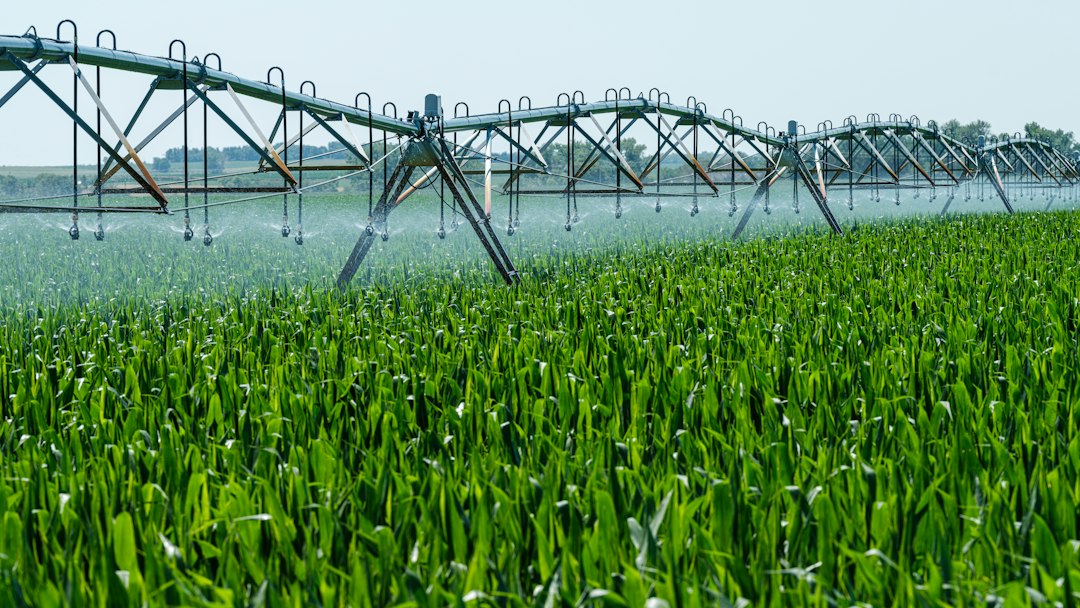
The sprinkler system equipment market is a vital component of modern fire safety and efficient irrigation, serving countless commercial, industrial, and residential properties worldwide. However, selecting, installing, and maintaining these systems can be complex, often requiring adherence to stringent local building codes and environmental regulations. From sprinkler heads and rotors to controllers, valves, and backflow preventers, each component plays an important role in ensuring life safety, property protection, and sustainable water use. This article will serve as a practical guide, offering insights into best practices for selection, installation, and maintenance of sprinkler system equipment, drawing from the expertise of leading organizations such as Johns Manville, the National Fire Protection Association (NFPA), the Irrigation Association (IA), and Fire Sprinkler Systems International (FSSI).
- Sprinkler Heads: Types and Application Selection
- Rotors, Nozzles, and Spray Patterns: Designing Coverage
- Installation and Maintenance: Ensuring Best Performance
- Backflow Prevention and Pipe Systems: Safeguarding Your Water Supply
Sprinkler Heads: Types and Application Selection
Sprinkler heads are the critical components that deliver water during a fire, making them a key element in sprinkler system equipment. The selection process involves understanding various types, each designed for specific applications and environments. Rotor sprinklers, for instance, are ideal for wide-area coverage in commercial buildings, with their ability to spray water in a full 360-degree pattern. In contrast, impact sprinklers, often seen in residential settings, trigger only when a set force is registered, minimizing water waste.
The choice of sprinkler head depends on factors like building layout, occupancy, and potential fire hazards. A warehouse filled with highly flammable materials would require more dense sprinkler placement, using heads with finer spray patterns to cover the entire area effectively. The National Fire Protection Association (NFPA) provides detailed guidelines on these considerations, ensuring that sprinkler systems are tailored to specific risks.
When selecting lawn the equipment, it's essential to balance water efficiency with coverage needs. Modern irrigation controllers and drip irrigation kits allow for precise control, ensuring water is delivered only where needed. This not only reduces water usage but also minimizes the risk of frozen pipes in colder climates, a significant concern for any property owner. A 2020 study by the Irrigation Association (IA) found that adoptions of smart, controlled irrigation systems can lead to water savings of up to 40%, with significant environmental and economic benefits.
Regular maintenance is vital for the equipment, as it ensures best performance when needed most. The Sprinkler Industry Standards Council recommends annual inspections and testing to verify all components, including valves and backflow preventers, are functioning correctly. These safety measures prevent potential water damage and ensure the integrity of the system, providing peace of mind for building owners and managers.
Rotors, Nozzles, and Spray Patterns: Designing Coverage
In designing effective the equipment, particularly lawn sprinkler systems, the selection and configuration of rotors, nozzles, and spray patterns are paramount. These components directly impact water distribution, ensuring thorough yet efficient irrigation. The National Fire Protection Association (NFPA) and the Irrigation Association (IA) provide detailed guidelines on sprinkler head placement and performance, emphasizing the need for tailored coverage based on site conditions.
Rotor tech innovations have revolutionized the equipment, offering precise control over spray patterns. High-efficiency rotors, like those from Rotor Tech Innovations, can reduce water usage by up to 40% compared to traditional models. Each rotor type—rotary, pivot, or lateral—has its own spray pattern, from full-circle to partial-circle, to point-source. The choice depends on factors like space, vegetation type, and desired water application. In a large, open field, a pivot sprinkler system would be most suitable, while a residential lawn might favor a series of lateral sprinklers for more localized coverage.
Spray nozzles play an important role in refining water distribution. Drip Works, for instance, specializes in micro-drip irrigation nozzles, ideal for fragile plants or areas requiring precise, low-volume watering. Nozzle selection should consider flow rate, spray pattern, and water pressure. According to the Sprinkler Industry Standards Council, proper nozzle placement and orientation can reduce water waste and optimize plant growth. Backflow preventers, mandated by local building codes and the Environmental Protection Agency (EPA), are integral to any the equipment setup, safeguarding water supplies from contamination.
When designing coverage, it's essential to consider pipe and fittings. FireControl Solutions offers a range of high-quality materials to ensure water flows smoothly and efficiently. The selection of pipe diameter and fitting types can significantly impact system performance. Larger pipes with smooth interior surfaces reduce pressure loss, minimizing water wastage. Installation and maintenance guidelines from the Occupational Safety and Health Administration (OSHA) underscore the importance of regular inspections and repairs to maintain system integrity. Regular maintenance, as per the advice of Johns Manville, includes cleaning, adjusting, and replacing components as needed, ensuring best the equipment performance and longevity.
Installation and Maintenance: Ensuring Best Performance
For ensuring the best performance of a lawn sprinkler system, proper installation and ongoing maintenance are paramount. These critical steps not only safeguard the investment in irrigation equipment but also play a direct role in the system's longevity and water efficiency. The National Fire Protection Association (NFPA) and the Irrigation Association (IA) provide essential guidelines for installation, emphasizing the need for adherence to local building codes and specific material standards. The use of high-quality materials like those offered by Sprinkler Warehouse can mitigate the risk of leaks and premature failure.
Installation best practices involve meticulous planning and execution. This includes correctly sizing the system based on the property's needs, selecting the right components such as sprinkler heads, rotors, and spray nozzles from manufacturers like Rotor Tech Innovations and Drip Works, and ensuring proper placement for best water distribution. The Sprinkler Industry Standards Council offers detailed specifications to guide this process. Installing modern irrigation controllers from FireControl Solutions allows for precise scheduling and weather-based adjustments, enhancing water conservation.
Regular maintenance is equally important. A well-maintained sprinkler system operates more efficiently, reducing water waste and the potential for environmental damage. This includes annual inspections to check for leaks, corrosion, or damage to pipes and fittings, which can be facilitated by local professionals adhering to Environmental Protection Agency (EPA) guidelines. Backflow preventers, mandatory in many jurisdictions according to Local Building Codes Administration regulations, are critical for preventing contaminated water from flowing back into the potable water supply. Regular flushing and testing of these devices are essential maintenance tasks.
By adhering to these installation and maintenance practices, property owners and managers can ensure their sprinkler systems provide efficient and reliable water distribution. This proactive approach not only extends the lifespan of the equipment but also contributes to sustainable water management practices, aligning with the evolving standards set by organizations like the Occupational Safety and Health Administration (OSHA) for workplace safety and environmental protection.
Backflow Prevention and Pipe Systems: Safeguarding Your Water Supply
In the intricate world of the equipment, backflow prevention is a critical, yet often overlooked, aspect of irrigation equipment. Effective backflow protection safeguards our precious water supply, preventing contamination and ensuring the integrity of the lawn sprinkler system. According to the Environmental Protection Agency (EPA), backflow incidents can lead to water waste, environmental damage, and potential health risks, underscoring the importance of solid backflow preventer mechanisms.
The heart of any sprinkler system lies in its pipe and fittings. The selection and installation of these components are governed by local building codes and standards set by organizations like the National Fire Protection Association (NFPA) and the Sprinkler Industry Standards Council. The NFPA 13 code provides guidelines for the design and installation of fire protection sprinkler systems, including specific requirements for pipe materials, sizes, and arrangements. For backflow protection, these codes mandate the use of approved backflow preventers, such as reduced pressure backflow preventers (RP) or pressure vacuum break (PV) devices, to interrupt the flow of contaminated water back into the potable water supply.
Pipe and fittings, along with valves and controllers, form the backbone of a functional sprinkler system. Sprinkler Warehouse, for example, offers a comprehensive range of irrigation equipment, including high-quality backflow preventers from reputable manufacturers like Rotor Tech Innovations. These devices are designed to detect and prevent backflow by maintaining a pressure differential, ensuring that any contaminated water remains isolated from the main water supply. An RP backflow preventer uses a pressure-reducing valve to limit the maximum inlet pressure, preventing water from flowing back into the supply line. Similarly, PV devices create a vacuum in the pipe, effectively blocking backflow. As per the Irrigation Association (IA) guidelines, regular testing and maintenance of these backflow preventers are important to guarantee their continued effectiveness.
backflow prevention in the equipment is a multifaceted endeavor that involves adhering to regulatory frameworks, selecting the right hardware, and ensuring proper installation and maintenance. By prioritizing these measures, property owners and contractors can safeguard their water supply, maintain the efficiency of their lawn sprinkler systems, and contribute to the overall sustainability of water resources.
Frequently Asked Questions About Sprinkler System Equipment Guides: Sprinkler Heads, Rotors, Spray Nozzles, Drip Irrigation, Controllers, Valves, Backflow Preventers, Pipe and Fittings, Selection, Installation, and Maintenance
What is the most suitable sprinkler head for a large, open lawn?
For expansive outdoor spaces, impact-type sprinkler heads are a popular choice. These heads are designed to spray a wide pattern, covering large areas efficiently. They use a metal impact or pop-up mechanism to propel water, making them durable and suitable for varying terrain. The specific type, like a side-spray or rotator head, depends on the lawn's layout and water distribution requirements. Side-spray heads offer an uniform, circular pattern, while rotator heads can cover larger areas with adjustable spray angles.
How do I choose the right drip irrigation system for my garden?
Drip irrigation is ideal for efficient water delivery to specific plant roots. The system's design depends on factors like plant type, soil conditions, and available water pressure. Start by assessing your garden's needs: dense foliage may require more frequent, lower-volume watering, while drought-tolerant plants need less frequent but deeper watering. Emitter-type drip systems are common, with adjustable flow rates. Soils with poor drainage may need additional backflow preventers to ensure water doesn't travel in the wrong direction.
What is the purpose of a backflow preventer in sprinkler systems?
Backflow preventers are safety devices that guard against contaminated water flowing back into the main water supply. They're important in sprinkler systems to keep any harmful substances or pollutants from entering your drinking water. These devices work by blocking water from flowing in the wrong direction, ensuring the integrity of your potable water source. Installation is mandatory in many jurisdictions, especially where potential contaminants like fertilizer or pesticides might be present.
When should I replace my sprinkler system valves?
Regular maintenance is key to keeping your sprinkler system in top shape. Valves, over time, can wear out, becoming leaky or inefficient. Look for signs like constant drips, reduced water pressure, or corroded components. As a rule of thumb, consider replacing valves every 5-10 years, depending on usage and environmental factors. Repairs or replacements should be handled by a professional to ensure proper sealing and water flow regulation.
Can I install a sprinkler system myself, or do I need a professional?
While DIY projects can be rewarding, sprinkler system installation is best left to licensed professionals. These systems require precise planning, proper material selection, and adherence to local codes and safety standards. A qualified technician will ensure the system is designed to meet your specific needs, installed correctly, and compatible with your water supply. They'll also handle necessary permits and inspections, providing peace of mind and long-term system efficiency.
Throughout this article, we've explored the multifaceted world of the equipment, from the selection of the right sprinkler heads for specific applications to the intricate design of spray patterns, installation best practices, and the important role of backflow prevention. We've examined into the guidance offered by esteemed organizations like the National Fire Protection Association (NFPA), Irrigation Association (IA), and Fire Sprinkler Systems International (FSSI), ensuring our recommendations align with industry standards. Key takeaways include the importance of pipe and fitting integrity, the selection of appropriate valves and controllers for drip irrigation systems, and the ongoing maintenance required to ensure best performance and water supply safety, as advocated by regulatory bodies such as the Environmental Protection Agency (EPA) and Occupational Safety and Health Administration (OSHA).
Moving forward, professionals in the field should prioritize these actionable insights:
- Type and select sprinkler heads based on application requirements, leveraging the expertise of suppliers like Johns Manville.
- Design coverage by combining rotor tech innovations, precise nozzles, and strategic spray patterns, tailored to each site's unique needs.
- Implement a solid maintenance schedule to keep systems in top condition, following guidelines from the Sprinkler Industry Standards Council.
- Ensure backflow prevention to safeguard water quality, a critical aspect underscored by the Local Building Codes Administration.
By integrating these practices, contractors and service providers can ensure their the equipment performs reliably, enhances safety, and complies with all relevant regulations.